Last Updated: September 29, 2026
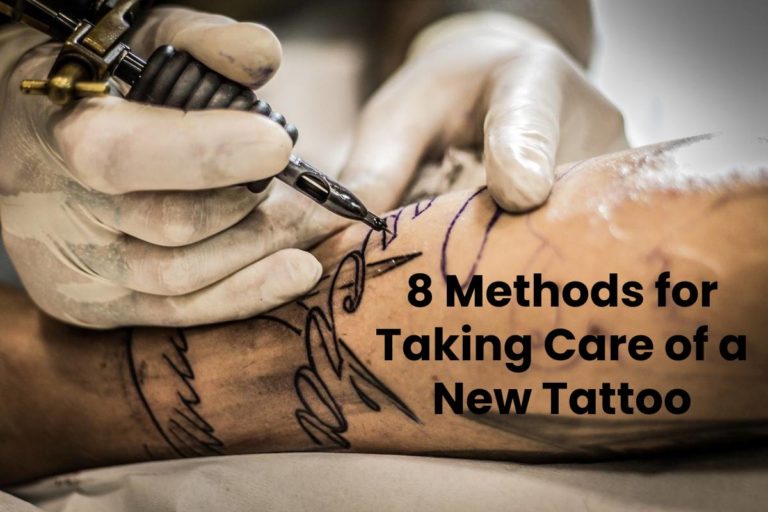
Bad treatment will eventually bark your new tattoo! So, future (s) and young tattooed (s), here are ten tips to take care of your tattoo.
Table of Contents
Listen to the Tattoo Artist
If you have chosen a good tattoo artist (we hope!), they will give you specific instructions, which you should follow to the letter.
Tattoo artists want your tattoo to heal correctly and do well; they will only give you good advice.
this article belongs to Healthy Lifestyle
First Aid
The day after your tattoo, remove the bandage.
Then wash your tattoo with lukewarm water (not hot) and with a neutral pH soap or soap for intimate hygiene to remove all blood residues, ink.
Then wipe with a clean towel!
Healing Care
After carefully washing the tattoo, it is advisable to apply an ointment, generally recommended by your tattoo artist (if not by your pharmacist), to keep the tattoo permanently hydrated.
While healing, it is essential to keep the tattoo slightly damp. If you let it dry, it could lead to scabbing. Make sure it is always hydrated.
Wash Your Hands with Soap before Touching Your Tattoo
It’s new, it’s beautiful, you’re happy with it, but stop touching it!
In any case, before touching it, wash your hands thoroughly until the tattoo has healed. Do the same thing before applying the cream or ointment.
Do Not Scratch the Scabs
Scabs are part of the normal healing process. The dead skin on the tattoo needs to come off. It will itch, but don’t scratch! You could damage your tattoo by scratching it.
Tolerate your pain!
No Swimming Pool, Spa, or Sauna!
The swimming pool, sea, Jacuzzi, spa, and sauna are to be avoided during the healing period.
Do not bathe for at least two weeks as this will wash away the ink from your tattoo and damage its appearance.
No Sport
The tattoo is an open wound, so you must avoid sweating and blows for good healing! This advice is especially valid when it comes to large tattooed areas.
No Sun
If your tattoo is on the part of the body exposed to direct sunlight, sunscreen is mandatory. And ideally, it’s best to avoid sun exposure entirely.
UV rays can reduce the intensity of the colors and deteriorate the design.
So avoid them for 2 to 3 months!
What if you don’t like your tattoo?
Yes, this could happen sometimes. Time goes by and your tattoo doesn’t seem that interesting anymore. What should you do now? Lucky you, today’s technology is improved and now tattoo removals are a piece of cake. Great example is the Los Angeles tattoo removal center. Laser technology will make you feel no pain, it’s quick and secure. Don’t put yourself down because of one tattoo. You can always remove it and do another one after a good process of thinking!
For an in-depth breakdown on this subtopic, refer to our Ways To Use Foundation Guide.
Keep It Clean
Keeping a new tattoo clean is one of the most important parts of aftercare. During the first stages of healing, the tattooed skin needs to be treated carefully because it has been irritated by the tattooing process. Dirt, sweat, and unnecessary contact can make the area more uncomfortable.
Clean the tattoo according to the instructions provided by your tattoo artist. Use clean hands and avoid rubbing the area aggressively. Gentle care is generally better than trying to scrub away every trace of peeling skin or dried fluid.
The goal is to keep the area clean without repeatedly irritating the skin. Over-cleaning can also leave the skin feeling dry and uncomfortable, so follow a consistent routine rather than washing the tattoo unnecessarily throughout the day.
Choose Loose Clothing
The clothing you wear can make a difference while your tattoo is healing. Tight clothing may rub against the tattoo and cause unnecessary friction, particularly when the tattoo is located on an area such as the thigh, shoulder, waist, back, or ankle.
Whenever possible, choose clean and comfortable clothing that allows the tattooed area to breathe. Clothing should not repeatedly stick to the tattoo or place pressure on the healing skin.
If the tattoo is in an area that naturally experiences a lot of movement, be particularly mindful of friction. Simple changes to your clothing choices can make the healing period more comfortable.
For an in-depth breakdown on this subtopic, refer to our Ways To Get Fit And Live Your Best Life Guide.
Avoid Unnecessary Contact
A new tattoo can attract attention, especially when you are excited about showing it to friends and family. However, allowing other people to touch it is not a good idea while it is healing.
Even clean-looking hands can carry dirt and microorganisms. Ask people not to touch the tattoo until the skin has healed. This is especially important if you are in crowded environments or around people who may not realize that the tattoo is still healing.
Your tattoo does not need constant handling to heal properly. The less unnecessary contact it receives, the easier it can be to maintain a clean aftercare routine.
Watch for Normal Changes
A tattoo can look different during the healing process than it did immediately after the appointment. The skin may feel tender, appear slightly red, or begin to peel as it recovers.
Some itching can also occur as the skin heals. These changes can be uncomfortable, but they are not a reason to scratch or pick at the area.
The appearance of the tattoo may also change temporarily as peeling occurs. Avoid judging the final appearance too early. The skin needs time to recover before you can properly appreciate how the finished tattoo looks.
For an in-depth breakdown on this subtopic, refer to our Travelling Or Busy Guide.
Give It Time
One of the biggest mistakes people can make is expecting a new tattoo to look completely healed within a few days. Healing takes time, and the process can vary depending on the size and location of the tattoo and individual factors.
Large tattoos may require more attention because they involve a larger area of skin. Areas that experience frequent movement or friction may also feel more sensitive during healing.
Instead of constantly checking whether the tattoo is finished healing, focus on following your aftercare instructions consistently. Patience is an important part of tattoo care.
Avoid Picking Peeling Skin
As the tattoo heals, you may notice small pieces of skin beginning to peel. This can be tempting to remove, especially when the skin feels loose.
However, picking at peeling skin can irritate the area and interfere with the healing process. Allow the skin to shed naturally instead of pulling it away.
The same principle applies to any small flakes or dry areas. Your hands may automatically want to remove them, but resisting that urge can help you avoid unnecessary irritation.
For an in-depth breakdown on this subtopic, refer to our Top Cannabis Companies In U S Guide.
Be Careful With Products
There are many tattoo-care products available, but using more products does not necessarily mean better care. Your tattoo artist may recommend a particular moisturizer or aftercare product based on their experience.
Avoid applying random products simply because someone online recommends them. Different people can react differently to skincare ingredients, fragrances, and other additives.
If a product causes significant burning, irritation, or discomfort, stop using it and seek appropriate professional advice. When you are uncertain about what to apply, your tattoo artist or a healthcare professional can help you determine the next step.
Keep Bedding Clean
Your tattoo can come into contact with your sheets and blankets while you sleep. Keeping bedding clean during the early healing period can therefore be a useful part of your routine.
Fresh, clean sheets can reduce unnecessary exposure to dirt and sweat. It is also helpful to consider your sleeping position. If possible, avoid putting constant pressure on a freshly tattooed area.
For example, if your tattoo is on your arm, sleeping directly on that arm may cause friction and discomfort. Adjusting your sleeping position for a short period can make the healing process easier.
For an in-depth breakdown on this subtopic, refer to our The Rise Of Bacteria Guide.
Stay Away From Irritants
Certain environments can expose a healing tattoo to dust, chemicals, excessive sweat, or other irritants. If your work or hobbies involve these conditions, take extra care to protect the tattoo.
This does not necessarily mean you have to stop your normal activities completely. Instead, consider whether the activity involves direct friction, contamination, or excessive exposure to substances that could irritate the healing skin.
Following your tattoo artist’s specific advice is especially important if your daily routine makes avoiding these factors difficult.
Think About Tattoo Placement
The location of your tattoo can influence how easy it is to care for. Tattoos near joints, hands, feet, or areas that frequently experience friction may require extra attention during the healing period.
For future tattoos, think about how the placement will interact with your everyday activities. Clothing, footwear, exercise, work, and sleeping habits can all affect how easily you can protect the area.
Planning ahead can make aftercare more manageable. A tattoo may look great, but practical considerations are also important when choosing where to place it.
Don’t Rush Back to Normal
It can be tempting to return immediately to every normal activity once the tattoo stops feeling sore. However, the surface may still be healing even when discomfort has decreased.
Continue following the aftercare instructions you were given rather than assuming the tattoo is fully healed because it looks better.
Gradually returning to activities can give you a better opportunity to notice how your skin responds. If an activity causes repeated rubbing, discomfort, or irritation, it may be worth taking a short break until the skin has recovered further.
Stay Patient With the Appearance
The final appearance of a tattoo develops over time. Immediately after getting tattooed, colors can appear particularly bold, and the surrounding skin may look different from the final result.
During healing, peeling can temporarily make the tattoo look dull or uneven. This does not necessarily mean that something has gone wrong.
Give the skin enough time to settle before deciding whether you like the final appearance. If you have concerns about how the tattoo is healing, contact your tattoo artist or a healthcare professional rather than trying to correct the appearance yourself.
Know the Warning Signs
Although some tenderness, redness, and peeling can occur during healing, it is important to pay attention to changes that seem unusual or are getting worse rather than better.
Increasing pain, spreading redness, significant swelling, unusual discharge, or other concerning symptoms may require professional medical attention. A healthcare professional can assess the area and determine whether further care is needed.
Do not rely only on photographs or advice from social media if you are concerned about a possible infection or other complication. Getting appropriate professional guidance can help you address problems early.
For an in-depth breakdown on this subtopic, refer to our Make Your Morning Better.
Follow Professional Advice
Tattoo aftercare advice can differ depending on the tattoo, the technique used, the covering applied, and the artist’s preferred healing method. This is why it is useful to ask questions before leaving your appointment.
Make sure you understand how long the covering should remain in place, how the tattoo should be cleaned, what product should be applied, and what activities should be avoided.
If you forget an instruction, contact your tattoo artist rather than guessing. Keeping their aftercare instructions available can make the first few days much easier.
Think Before Your Next Tattoo
Once your first tattoo has healed, you may already be thinking about your next design. Before booking another appointment, take some time to consider what you want.
Think about the design, placement, size, and long-term meaning. Trends can change, but tattoos are intended to be long-lasting. Choosing a design carefully can help reduce the possibility of regret later.
Researching your tattoo artist is also important. Look at their previous work and make sure their style matches the type of tattoo you want. A professional and hygienic environment should also be an important consideration.
Tattoo Removal
Sometimes people eventually decide that they no longer want a tattoo. This can happen because their interests change, the tattoo has personal meaning that no longer feels relevant, or they simply wish they had chosen a different design.
Tattoo removal is more complicated than simply erasing the ink. Laser-based procedures are commonly used, but the process can require multiple treatment sessions, and results can vary depending on factors such as ink color, tattoo size, location, and individual skin characteristics.
Anyone considering tattoo removal should speak with a qualified medical professional or appropriately trained specialist. They can explain the available options, possible side effects, expected treatment process, and realistic outcomes.
Think About Cover-Ups
Tattoo removal is not the only option for someone who is unhappy with an existing tattoo. In some cases, a cover-up tattoo may be considered.
A cover-up involves creating a new design that incorporates or conceals the existing tattoo. The success of this approach depends heavily on the original tattoo’s size, darkness, location, and design.
A tattoo artist experienced in cover-up work can assess the existing tattoo and explain what may be possible. It is important not to rush into another tattoo simply because you are unhappy with the first one.
Long-Term Care
Tattoo care does not completely end once the initial healing period is finished. Your skin continues to change over time, and environmental exposure can affect the appearance of tattooed skin.
Protecting your skin from excessive sun exposure can help maintain the appearance of tattoos. Keeping your skin moisturized can also support its general condition.
Remember that a tattoo becomes part of your skin, so general skincare habits remain relevant. Staying hydrated, protecting your skin from excessive environmental exposure, and maintaining a consistent skincare routine can all contribute to healthy-looking skin.
Refer to peer-reviewed wellness summaries from Harvard Health Publishing Archive.
Final Thoughts
Getting a tattoo is an exciting experience, but taking care of it is just as important as choosing the design. The healing period requires patience, cleanliness, and attention to the instructions provided by your tattoo artist.
Avoid unnecessary touching, scratching, soaking, and friction while the tattoo heals. Give your skin enough time to recover and pay attention to any changes that seem unusual.
Most importantly, remember that tattoo aftercare is not a competition. Everyone’s skin can respond differently, and your tattoo may take more or less time to settle than someone else’s.
If you are ever uncertain about how your tattoo is healing, asking your tattoo artist or a healthcare professional is better than experimenting with random products or home remedies.
A well-planned tattoo combined with responsible aftercare can help you enjoy your design for many years. Take your time, follow appropriate care instructions, and give your skin the patience it needs.