Home Blog Page 36

The Truth About Sunscreen and Dark Skin That Nobody Talks About

0

Here’s something I bet you’ve heard before: “Black don’t crack” or “My skin’s too dark to burn.” Growing up, I heard these phrases constantly. My grandmother would sit in the sun for hours without a care, convinced her melanin was all the protection she needed. Turns out, we were all wrong.

Let me be straight with you – having darker skin doesn’t mean you can skip the SPF. Yeah, melanin does its thing, giving you some natural defense (roughly SPF 13 according to dermatology research). But that’s like bringing a pocket knife to a gunfight when you’re up against UV rays. The American Academy of Dermatology makes it clear: you need at least SPF 30 for proper protection, regardless of how dark your skin is.

What really gets me is this: we’re out here thinking we’re invincible while UV damage is quietly doing its work. Wrinkles, dark spots, uneven tone – and scarier stuff like skin cancer that goes undetected until it’s too late. Medical journals show that Black patients with melanoma have a 71% five-year survival rate compared to 94% for white patients. Why? Because we catch it late, thinking it’s not our problem.

Here’s What Your Melanin Actually Does (And Doesn’t Do)

Why darker skin tones require Sunscreen

Look, I’m not here to trash melanin. It’s amazing! That natural pigment in your skin absorbs UV radiation and turns it into heat – basically like a built-in shield. Problem is, it’s not a complete shield. Think of it more like a rain jacket when you need a full hazmat suit.

Those UVA rays? They’re sneaky little troublemakers that dive deep into your dermis, messing with collagen and elastin. That’s where wrinkles come from. And UVB rays hit the surface layer, causing burns you might not even notice until later. Studies back this up – melanin gives you some buffer, but nowhere near enough for everyday sun exposure.

The Real Science That’ll Make You Rethink Everything

When UV hits your skin, melanin soaks up some of that energy – but not all of it. UVA rays still punch through to deeper layers where they mess with your DNA and break down the stuff that keeps skin firm. Even with more melanin, you’re not blocking 100% of anything. Not even close.

What Happens When You Skip the Sunscreen

Okay, so you’re thinking “I’ve gone years without sunscreen and I’m fine.” Maybe you haven’t gotten a painful burn, but that doesn’t mean damage isn’t piling up. Sun exposure without protection speeds up aging – we’re talking fine lines, deeper wrinkles, and those annoying age spots that seem to pop up out of nowhere.

Dark Spots Are Your Skin’s SOS Signal

Ever notice how a pimple or scratch leaves a dark mark that sticks around forever? That’s called post-inflammatory hyperpigmentation, and guess what makes it worse? Yep – sun exposure. Every time you skip sunscreen, you’re basically telling those dark spots to make themselves at home. Melasma, uneven tone, all that stuff gets amplified by UV rays.

💡 Here’s Something Wild

There’s this type of melanoma called acral lentiginous that shows up on your palms, feet bottoms, or under nails. It’s the most common melanoma in people of color. Even though these spots don’t see much sun, overall UV exposure still jacks up your risk. Bottom line? Protect everything.

The Vitamin D Excuse Needs to Stop

I get it – you’ve heard darker skin makes less vitamin D from sunlight, so you worry about deficiency. Here’s the real talk: risking skin damage for vitamin D is backwards. Eat salmon, drink fortified milk, take a supplement. Don’t fry your skin trying to get nutrients you can grab from the grocery store.

Why “Broad Spectrum” Actually Matters

You’ve probably seen “broad spectrum” on sunscreen bottles and glazed right over it. But this label is crucial – it means the sunscreen blocks both UVA and UVB rays. UVA goes deep (think aging), UVB hits the surface (think burning). You want protection from both.

SPF 30 blocks about 97% of UVB rays. SPF 50? That’s 98%. Sounds like a tiny difference, but if you’re outside all day, that extra percentage adds up. And here’s the kicker – no sunscreen blocks everything, which is why you’ve gotta reapply every couple hours.

Cracking the SPF Code

Don’t get fooled by super high SPF numbers. Once you hit SPF 50, the extra protection becomes minimal. SPF 100 doesn’t give you twice the protection of SPF 50 – it’s more like 99% versus 98%. Save your money and focus on proper application instead.

Finding Sunscreen That Won’t Make You Look Like Casper

Real talk – most sunscreens used to suck for darker skin. That white, ashy cast was ridiculous. But companies finally got the memo, and now there are tons of options that actually blend in. You just need to know what to look for.

Chemical or Mineral? Here’s the Breakdown

Chemical sunscreens soak into your skin and absorb UV like a sponge, then convert it to heat. These usually go on clear – no white cast drama. Look for avobenzone, octinoxate, or octisalate in the ingredients.

Mineral sunscreens sit on top of your skin like tiny mirrors, reflecting UV away. Zinc oxide and titanium dioxide are the main players here. Old-school versions left that infamous white residue, but newer formulas use micronized particles or add tint to match darker tones.

Your Shopping Checklist

  • Tinted options: Brands now make shades specifically for brown and black skin – finally!
  • No white cast guarantee: Read reviews from people with your skin tone before buying
  • Lightweight feel: Nobody wants heavy, greasy sunscreen. Go for gel or water-based formulas
  • Bonus ingredients: Some include niacinamide or vitamin C that help fade dark spots while protecting
  • Water-resistant label: Essential if you sweat or swim (and who doesn’t?)

Actually Using It Right

  • Slather it on 15-30 minutes before heading outside
  • Use a shot glass amount for your whole body – don’t be stingy
  • Hit the spots everyone forgets: ears, neck back, hands, tops of feet
  • Reapply every 2 hours minimum, sooner if you’re swimming or sweating buckets
  • Cloudy day? Still use it. Up to 80% of UV rays laugh at clouds
  • Wear it under makeup – your foundation isn’t SPF 30, trust me

Go Beyond Just Slapping On Sunscreen

Sunscreen’s your main defense, but throw in these extras for maximum protection:

  • Duck into shade between 10 AM and 4 PM when the sun’s most brutal
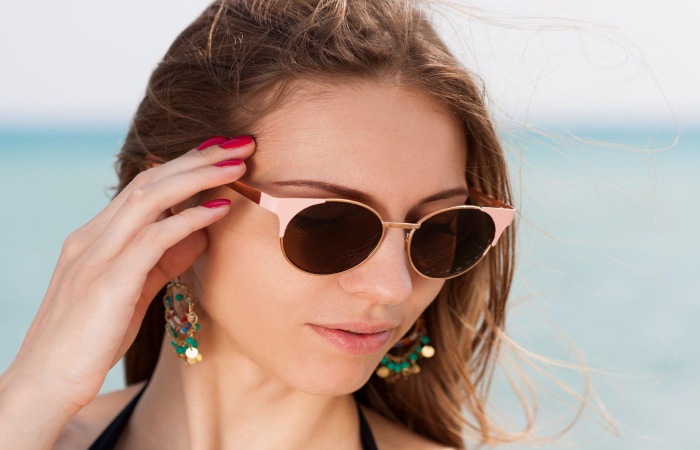
  • Cover up smart: Long sleeves, big hats, UV-blocking shades aren’t just fashion
  • Check your meds: Some prescriptions make you extra sensitive to sun (your pharmacist can tell you)
  • Do monthly skin checks: Get familiar with your moles and spots so you notice changes
  • See a dermatologist yearly: They catch the stuff you miss

When Money’s Tight

Look, good sunscreen shouldn’t cost a fortune. Yeah, some fancy brands charge premium prices, but drugstore options work just fine – many use identical active ingredients. Generic versions often match name brands molecule for molecule but cost way less. Some insurance covers sunscreen with a prescription, and community health spots sometimes give it away free.

Bottom Line: Stop Playing Games With Your Skin

Listen up – sunscreen isn’t optional for darker skin. Period. The myth that melanin makes you bulletproof needs to die. UV damage, cancer risk, premature aging, hyperpigmentation – all of this hits people with darker skin, sometimes even harder because we’re not looking for it.

Grab a broad-spectrum SPF 30 (minimum), find one that works with your skin tone, and make it as automatic as brushing your teeth. Yes, even when you’re just running errands. Yes, even in winter. Yes, even when it’s overcast. Your 50-year-old self will be grateful you started protecting your skin today.

Start Right Now: If sunscreen hasn’t been part of your routine, today’s the day that changes. Talk to a dermatologist about what works for your specific skin, test out different formulas until you find your match, then commit. Daily sunscreen is hands down the most effective anti-aging move you can make – better than any serum or cream money can buy.

📌 Remember These Key Points

  • Your natural protection maxes out around SPF 13 – you need SPF 30 minimum
  • Late-stage melanoma diagnosis rates are higher for people of color
  • Sun damage shows up as dark spots and premature aging on darker skin
  • Modern formulas exist that won’t leave you looking ashy
  • Daily sunscreen beats every anti-aging product on the market

9 Proven Ways To Wash Out Toxins From Your Body

9 Proven Ways To Wash Out Toxins From Your Body : Remember the last time you saw a cluttered room and decided to clear it up?

Just like the mess in the room, there are several elements inside of our bodies that end up damaging their normal functioning little by little.

We all know that eating or consuming certain types of substances can be harmful to the body. For example, drinking too much alcohol can take a toll on your liver. Likewise, smoking can adversely affect your lungs.

Our body has natural defense mechanisms that help it to eliminate harmful substances naturally. The liver is responsible for filtering, much in the same way kidneys drain unwanted waste from our bodies.

Normal individuals go for detoxification to cleanse their bodies of traces of alcohol, processed food, preservatives, etc. Individuals that are addicted to drugs require a far more intensive level of detoxing that can help them successfully eliminate all traces of substances.

If you are looking for one of the country’s leading detox facilities, visit Gallus Detox.

What is Detoxification and how does it work?

As we have already mentioned, our body has its own set of natural defenses and mechanisms that help in the detoxification or removal of toxins from the body.

In this regard, kidneys, liver, intestines, lymphatic systems, and even the skin are responsible for removing toxins. You can turn around and say that if toxin removal is already being done by these body parts, why do we need something extra?

The simple answer is because the last few years have seen mankind being exposed to artificial pollutants. Whether it is the air you are smoking, or the food you are eating, everything is polluted, contains harmful chemical preservatives, and invites the onset of medical ailments.

When we are younger, our organs are fit and healthy. They seem to discharge their duties without any problems. However, when we start aging, the performance of these organs starts to deteriorate. The problem is exacerbated when normal aging is forced and made worse by artificial external forces and factors.

This is why a proper plan of detoxification can come in handy to help individuals regain proper body function and performance. In simple words, detoxification helps the body’s organs improve their strength and carry out their functions.

List of 9 Proven Ways to Wash Out Toxins from your Body

1. Stick to a Healthy Daily Routine and Create a Habit-

If you have been doing your reading on habit formation, you will know that it takes 21 days to create a habit! Most medical experts point out that the first and probably the most important strategy to remove toxins is to commit to a healthy daily routine. This means having set times for getting up and going to sleep, sticking to meal schedules and hydration plans.

2. Improve your Food and Dietary Intake-

We all know that one of the best ways to remove toxins is to eat healthily. This means increasing the presence of leafy vegetables in your diet, along with lean proteins. It also means avoiding fatty foods, fried items, and carbonated drinks. If you are someone who is a heavy drinker, maybe you would want to slow down or completely eliminate the drinking habit.

3. Start engaging in Physical Activity and Exercise-

Many individuals that consume drugs do it because it helps them become happy. Some drugs contain artificial endorphins that make the brain happy. If you want to reduce dependency, you need to start making physical activity a big part of your life. Go for jogs, start running, cycling, or hitting the gym. Sweating, improved digestion, and better metabolism help flush toxins out.

4. Keep yourself hydrated at all times-

Drink water and avoid caffeinated drinks! Yes, doctors point out that drinking three to four liters of water a day can help you flush out 95% of all toxins from the body. It also helps your kidney stay in proper shape and function. Water is one of the best naturally found detoxification strategies that normal human beings should look to follow. Make this a part of your habit.

5. Focus on a Healthy Sleep Schedule-

Working long hours, compromising on your sleep, and drinking tons of caffeine are harming your body on a massive level. Sleep is our body’s natural recovery mechanism. When you are sleeping, the cells in your body are working actively to repair and restore normal strength and functioning. Leave electronic gadgets aside and try to get at least seven hours of sleep a night.

6. Check-in with Experts for Complex Drug Addiction Problems-

You might have heard about detox programs, especially in the context of drug addiction problems. The chemical components of drugs stay in our bloodstream and impair normal functioning. This is why the best approach would be to get in touch with experts and check into a result-oriented and certified detox facility. Their treatment and recovery plans will help you.

7. Pay Attention to your Mental Health-

Medical experts point out that many of our physical health problems have a mental origin. Given how stress, anxiety, and depression have become a common part of our personal and professional engagements, prioritizing mental health is important. In addition to the body, you also need to remove toxins (negativities) from your mind as well.

8. Engage with Yoga, Breathing, and Meditation-

The last few years have seen growing awareness of the benefits of Yoga and Meditation. Both seem to strike a healthy balance between the mind and body and improve functions. Meditation is a great way to look after your mental health and breathing exercises are beneficial for everything from heart function to digestion, and more.

9. Love Yourself, your body, and your Mind-

Most of us are preoccupied with our external appearances. We need to remember that what is inside is as important as what’s on the outside. This is why loving your body and engaging in activities that promote its health is important. Avoid sugar as much as you can, for it can do no good. The more you start caring for yourself, the better will be the toxin removal.

The Final Takeaway

The market is flooded with quick-result therapies as far as flushing toxins from your body is concerned. Most of them are not scientifically proven, and some are simply based on myths and beliefs. In some instances, engaging with such unscientific procedures can result in serious risks and dangers. The important thing is to enable your body to do what it is good at. If you have any doubts or queries that you would like us to answer on the topic, please drop them in the comments section.

Benefits of Coconut Oil for Whiter Teeth and Healthier Gums

0

Coconut oil is known for its many virtues: it can be used in cooking, to brighten hair, to soften and nourish the skin, but not everyone knows that it has a strong whitening power on teeth.

To have a bright smile and healthy gums, it is unnecessary to resort to supermarket products or spend a lot of money at the dental hygienist (this, of course, does not mean that you do not have to undergo regular check-ups at the dentist). Coconut oil is a natural product much loved by Ayurvedic medicine for its purifying power for the body. People also use this to extract oil, an ancient technique that consists of rinsing with the oil to purify the oral cavity, removing bacteria and toxins.

Also read: 5 Easy Ways to Lose Weight Fast

The Benefits for Teeth and Gums

As anticipated, coconut oil represents a useful natural ally for the care of teeth and gums. So, let’s find out what its main benefits are:

Whiter Teeth: if you want to get a bright white smile coconut oil is perfect. It is safe, and side effect free product to use.

Halitosis Remedy: This oil can help counteract halitosis, becoming a real nuisance, by removing bacteria and toxins from the mouth.

Combat Plaque and Gingivitis: Consistent use of coconut oil helps keep plaque at bay and reduces the risk of gingivitis. If your gums are subject to constant bleeding, coconut oil may be the right solution.

Prevents tooth decay: Given its antibacterial properties, coconut oil is an excellent way to prevent cavities naturally.

Here’s How to Use It for Healthy, Shiny Teeth

We recommend you get pure coconut oil, cold-pressed, and preferably organic. Just fill a spoon (at room temperature, it has a stable but smooth appearance) and let it melt in your mouth, making it adhere to all teeth without spitting for about 15-20 minutes.

After this, you should spit out the oil (better avoid pouring it into the sink because it could clog the pipes) and then rinse your mouth. The operation can also repeat daily to have more visible results. But a couple of times a week will be enough. It would be better to use coconut oil in the morning as soon as you wake up, before breakfast.

Also read: 7 Tips for Healthy Digestion

3 Exercise Routines For Different Lifestyles

0

Everyone knows that regular exercise is an essential part of a healthy lifestyle. But despite knowing that fact, many still struggle to include exercise as part of their daily routine. Many people always find an excuse to miss exercise in their life, like a hectic schedule, too tired over a busy workload, or you simply cannot do it.

There are many benefits that you can reap from exercising regularly. Not only will it enhance you physically, but it can also boost your mental health. Fortunately, you don’t really have to perform intensive workouts for hours or forcing yourself to do an exercise that you hate. Exercising can be a fun activity, depending on how you do it and on how you incorporate it into your lifestyle.

Understandably, each of you has different lifestyles to handle every day. The good news is, there’s actually an exercise routine that can fit different lifestyles. To guide you, here are three exercise routines with their matching lifestyle that’ll help you find out which routine works best for your advantage.

1. Walking Exercises And Weight Lifting Sessions

This exercise routine is suitable for people who just started exercising or the ‘exercise newbies.’ Most people who belong here are not physically active but planning to change this bad habit.

If you’re one of the people in this category, it’s recommended that you don’t jump yourself on a treadmill right away or go straight on the yoga mat and do crunches and push-ups. The more you train your body with intense exercises, the more likely you’ll suffer from muscle sores or injuries.

Instead, start by doing regular walking exercises and match them with some weight training. The good thing about weight lifting machines is that you can do it while you’re in a comfortable sitting position. While lifting weights, you can first focus on one muscle group.

Another recommended tool you can use for your weight lifting exercise is medicine balls. Beginners can use medicine balls if they want to work their weightlifting routine at home.

If you’re new to working out, this first exercise routine is perfect for you since it doesn’t require a lot of pressure, plus you can do your walking exercises with your friends to make the experience more fun.

2. Housework Exercises

For people who are bombarded with household chores, this training is best suited for you. You may have been thinking that you no longer have that luxury of time to insert exercise in your schedule. Don’t worry, the training you need is right in front of you. Did you know that housework and other chores are actually qualified as good physical exercise?

Instead of thinking about your household chores as a tiring job, embrace them as a positive way of boosting your activity levels. You can do this by taking two steps at a time when you go up the stairs to pick up your kid’s laundry. The playtime you have with your children will serve as a low-intensity exercise, too. Mowing your lawn using a manual push mower is also an excellent exercise for your cardiovascular and resistance training.

Every movement you do to complete your chores is an exercise, so positively embrace them.

3. Weight Training To Match With Casual Joggings

People who fit into this category are those who casually jog when they see nice weather outside. Other than that, they go back to their usual routine at work until they see another fine day to jog. In short, they run only when they feel like it or they feel motivated by the weather. While they may be in good cardiovascular shape, the downside is that they have low muscle strength and flexibility.

To alleviate this, casual runners or joggers are best recommended to do minor weight lifting training to build up their muscles in the back and the stomach. If you casually run with no muscle strength, you’re at risk of suffering from muscular or skeletal injuries when you reach the age of 40. So, if you fall into this category, start building up your muscles by doing weight lifting training to lessen your risk of injuries during your weekly jog.

Bottom Line

The best thing about exercise routines is that you don’t have to adjust your schedule or lifestyle to make exercise fit for you. It’s the exercise routine itself that must be altered according to your lifestyle. This way, you won’t see exercise as a burden anymore. Instead, it’s something that you can incorporate every day to improve your life quality.

Exercise will make you live happier, stronger, and feel more empowered, so always include it in your priorities.

How Fashion Affects Our Mental Health: The Psychology Behind What We Wear

0

Fashion and mental health are deeply interconnected through psychological phenomena like “enclothed cognition”—the influence clothing has on our cognitive processes and emotions. What we wear directly impacts confidence, mood, self-expression, and social anxiety. While fashion can boost mental wellbeing through creative expression and confidence-building, it can also trigger comparison anxiety, body image issues, and financial stress. Understanding this relationship helps us build healthier wardrobe habits that support rather than undermine our psychological wellbeing. The key is intentional dressing that aligns with personal values rather than external validation.

Table of Contents

Understanding the Fashion-Mental Health Connection

Fashion affects our mental health in ways most people never consciously recognize. The relationship between what we wear and how we feel isn’t superficial—it’s rooted in psychological science, neurobiology, and social conditioning.

Every morning when you choose an outfit, you’re making a decision that will influence your emotional state, confidence levels, and even cognitive performance throughout the day. Research in psychology confirms that clothing choices trigger measurable changes in hormone levels, self-perception, and social behavior.

This isn’t about vanity. It’s about understanding how external presentation shapes internal experience. The clothes touching your skin right now are sending signals to your brain about who you are and how you should feel.

In India’s diverse cultural landscape, where traditional and modern fashion coexist, these psychological effects become even more complex. The pressure to dress appropriately for different contexts—from family gatherings to corporate offices—adds unique mental health dimensions worth exploring.

Who Benefits from Understanding Fashion’s Mental Impact?

This knowledge serves:

  • People experiencing daily anxiety or low mood who want practical tools for emotional regulation
  • Professionals facing confidence challenges in workplace or social settings
  • Individuals recovering from depression seeking accessible mood-boosting strategies
  • Parents concerned about teenage body image and fashion-related stress
  • Anyone experiencing wardrobe-related stress each morning
  • Fashion enthusiasts wanting to build healthier relationships with clothing
  • Mental health advocates seeking holistic wellbeing approaches
  • People transitioning life phases (career changes, postpartum, retirement) who need to redefine their style identity

Who Should Approach This Topic Carefully?

Consider professional mental health support if you:

  • Experience severe body dysmorphia or eating disorders
  • Have shopping addiction or compulsive buying behaviors
  • Feel extreme distress when unable to purchase fashion items
  • Base entire self-worth solely on appearance
  • Experience panic attacks related to clothing choices
  • Have financial crisis caused by fashion spending

Fashion can be a supportive tool, but it cannot replace therapy, medication, or professional mental health treatment for clinical conditions.

The Positive Mental Health Benefits of Fashion

Mood Enhancement Through Color Psychology

Colors trigger measurable emotional responses. Wearing yellow or orange activates energy and optimism. Blue reduces heart rate and promotes calm. Red increases confidence and perceived power.

A 2024 study by the Indian Institute of Fashion Technology found that 73% of participants reported improved mood when wearing their favorite colors versus neutral tones.

Self-Expression and Identity Formation

Fashion provides a visual language for communicating who we are. When clothing aligns with internal identity, it creates psychological congruence—a state where external presentation matches internal reality.

This alignment reduces cognitive dissonance and the mental exhaustion that comes from feeling “fake” or misrepresented.

Confidence Building Through “Enclothed Cognition”

Northwestern University research established that wearing specific clothing types actually changes cognitive processing. Participants wearing lab coats performed better on attention-demanding tasks. They didn’t just feel smarter—they tested smarter.

This phenomenon, called enclothed cognition, means your business blazer isn’t just making you look professional—it’s literally activating professional cognitive patterns in your brain.

Creative Outlet and Stress Relief

Styling outfits engages creative brain regions, providing mental breaks from analytical thinking. The process of combining textures, colors, and silhouettes activates the same creative flow states that painting or music does.

For many people, getting dressed becomes a daily mindfulness practice—a moment of intentional self-care before facing the world.

Social Connection and Belonging

Fashion communicates group membership. Whether it’s wearing your company’s business casual or your friend group’s streetwear aesthetic, appropriate fashion reduces social anxiety by signaling “I belong here.”

This tribal signaling has deep evolutionary roots. Our brains are wired to seek belonging, and fashion provides visible confirmation of acceptance.

Control in Uncertain Times

During periods of life instability—job loss, relationship changes, health challenges—fashion offers a controllable variable. When much feels uncertain, choosing your outfit provides a sense of agency.

Post-pandemic data shows 61% of people intentionally used fashion to reclaim control during lockdown disruptions.

The Negative Mental Health Impacts of Fashion

Comparison Culture and Social Media Anxiety

Constant exposure to curated fashion content triggers upward social comparison—measuring ourselves against idealized images. This comparison consistently correlates with increased anxiety, depression, and body dissatisfaction.

Instagram and fashion influencer culture create unrealistic standards that 89% of young adults report feeling pressure to meet, according to 2025 mental health research.

Body Image Distortion and Self-Worth Issues

When fashion becomes the primary measure of self-worth, any perceived fashion “failure” triggers disproportionate emotional responses. The pressure to fit into trending styles or specific sizes creates persistent body image stress.

India’s diverse body types often clash with Western fashion sizing, creating additional frustration and inadequacy feelings.

Financial Stress and Guilt

Fast fashion’s affordability paradoxically increases financial anxiety. The pressure to constantly update wardrobes creates debt cycles. Post-purchase guilt—especially after impulse buying—generates shame and regret that undermines mental wellbeing.

Average Indian consumers spend 12-18% of income on clothing, with many reporting financial stress related to fashion purchases.

Decision Fatigue and Morning Anxiety

Overwhelming wardrobe choices create decision paralysis. When getting dressed takes 20-40 minutes and involves multiple outfit changes, it signals deeper anxiety about self-presentation.

This daily stress accumulates, starting each day with elevated cortisol before leaving home.

Perfectionism and Never Feeling “Right”

Fashion perfectionism manifests as never feeling adequately dressed. Every outfit feels slightly wrong, triggering persistent low-level anxiety throughout the day.

This perfectionism often masks deeper self-acceptance issues that fashion choices cannot resolve.

Exclusion and Economic Anxiety

Being unable to afford fashionable clothing creates genuine psychological distress, especially in contexts where appearance directly impacts opportunity (job interviews, networking events).

The visible wealth gap in fashion choices triggers shame, inadequacy, and social withdrawal.

The Science: How Fashion Physically Affects Your Brain

Dopamine Release from New Purchases

Acquiring new clothing triggers dopamine—the brain’s reward chemical. This creates a temporary mood boost, explaining why “retail therapy” feels real.

However, this dopamine spike is brief. Building happiness solely on fashion purchases creates an addictive cycle requiring constant acquisition for mood maintenance.

Cortisol Reduction from Comfort Clothing

Soft, familiar textures trigger oxytocin release and cortisol reduction. This explains why we reach for specific “comfort clothes” during stress.

The physical sensation of certain fabrics against skin sends safety signals to the amygdala—your brain’s threat-detection center.

Posture Changes Affecting Hormones

Structured clothing influences posture, which directly affects hormone production. Standing taller in supportive garments increases testosterone and decreases cortisol—a hormonal profile associated with confidence and reduced stress.

Mirror Neuron Activation

When we see ourselves in chosen outfits, mirror neurons activate—the same brain cells that fire when observing others. If you admire someone’s style, wearing similar clothing activates those same neural pathways, essentially allowing you to “borrow” their confidence through fashion mimicry.

Common Mistakes People Make with Fashion and Mental Health

Using Fashion as the Only Mood Regulation Tool

Relying exclusively on clothing changes for mood improvement creates dependency. Fashion should complement—not replace—other mental health practices like therapy, exercise, or social connection.

Dressing for Others Rather Than Yourself

Constantly modifying appearance for external approval creates exhausting inauthenticity. This people-pleasing through fashion depletes mental energy and prevents genuine self-expression.

Ignoring Sensory Sensitivities

Wearing uncomfortable clothing “because it looks good” creates persistent physical stress that compounds mental anxiety. Tight waistbands, scratchy fabrics, or restrictive silhouettes keep your nervous system in low-level fight-or-flight mode.

Following Trends That Don’t Align with Identity

Adopting styles that contradict your personality or lifestyle creates cognitive dissonance. The mental gap between “who I look like” and “who I am” generates persistent psychological discomfort.

Hoarding Clothes “Just in Case”

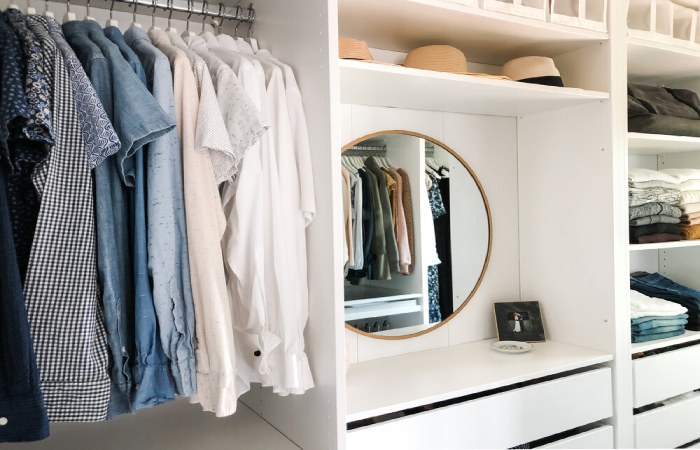
Keeping excessive clothing creates visual overwhelm and decision paralysis. Cluttered wardrobes literally create cluttered mental states through environmental chaos.

Catastrophizing Fashion “Mistakes”

Treating outfit missteps as major failures reflects distorted thinking patterns. This black-and-white perspective about fashion often extends to other life areas, maintaining anxiety cycles.

Fashion and Mental Health: Myths vs Facts

Myth Fact
Fashion is superficial and shouldn’t affect mental health Clothing choices trigger real neurological and hormonal changes that measurably impact mood and cognition
Caring about appearance means you’re vain Wanting to present yourself intentionally is a healthy form of self-care and self-respect, not vanity
Expensive clothing automatically boosts confidence Confidence comes from alignment between clothing and identity, not price tags. A ₹500 outfit you love outperforms a ₹5,000 piece you feel uncomfortable in
You should dress to impress others Sustainable mental health benefits come from dressing for yourself first, with occasional adjustments for specific contexts
Fashion can cure depression or anxiety Fashion is a supportive tool that can improve symptoms but cannot treat clinical mental health conditions requiring professional intervention
Only women experience fashion-related mental health impacts Men face equal pressure around appearance, though societal expectations manifest differently. Fashion affects all genders’ mental wellbeing

Step-by-Step Guide to Healthier Fashion-Mental Health Relationship

Step 1: Audit Your Current Fashion Feelings

Spend one week noticing:

  • Which outfits make you feel most confident
  • When you feel anxious about clothing choices
  • What triggers wardrobe-related stress
  • How much time you spend getting dressed
  • Whether you dress for yourself or others

Write observations daily. Patterns will emerge within 5-7 days.

Step 2: Identify Your Personal Style Identity

Ask yourself:

  • What three words describe how I want to feel in clothes? (comfortable, powerful, creative, authentic, etc.)
  • Which public figure’s style resonates with me and why?
  • When have I felt most “myself” in an outfit?
  • What clothing makes me forget I’m wearing clothes?

These answers reveal your authentic style preferences versus adopted external expectations.

Step 3: Conduct a Closet Clarity Session

Remove everything from your wardrobe. Sort into categories:

  • Love & Wear: Keeps you—these form your core wardrobe
  • Love but Don’t Wear: Analyze why (uncomfortable? doesn’t fit? wrong context?)
  • Don’t Love but Wear: Usually defaults worn from convenience, not joy
  • Don’t Love or Wear: Donate, sell, or repurpose immediately

Keep only the first category plus items from category two that you can make wearable (tailoring, styling differently).

Step 4: Build a Capsule Foundation

Create 10-15 foundational pieces that:

  • Fit your body comfortably
  • Align with your identified style words
  • Mix and match easily
  • Suit your actual lifestyle (not aspirational life)

This reduces decision fatigue while ensuring you always have confidence-building options.

Step 5: Establish Fashion Boundaries

Set clear rules:

  • Maximum monthly fashion budget
  • Social media follows (unfollow accounts that trigger comparison)
  • Shopping frequency (only during specific seasons)
  • Time limit for getting dressed (reduces morning anxiety)

Boundaries create psychological safety and reduce impulsive behaviors.

Step 6: Practice Intentional Dressing

Each morning, ask: “How do I want to feel today?” Then dress for that feeling.

Anxious day? Soft, comforting fabrics.
Important presentation? Structured, empowering silhouettes.
Creative project? Expressive colors and textures.

This reframes getting dressed as emotional preparation rather than appearance management.

Step 7: Develop Style Affirmations

Create personal mantras:

  • “I dress for my comfort and confidence, not others’ approval”
  • “My worth exists independent of my appearance”
  • “Fashion is creative expression, not competitive performance”

Repeat these during moments of fashion-related anxiety.

Real-World Experience: Personal Fashion-Mental Health Journey

I spent my early twenties trapped in fashion anxiety. Every morning involved trying on 6-8 outfits, arriving late to work, and still feeling wrong in whatever I chose. The constant mental chatter about whether I looked “appropriate” or “stylish enough” consumed energy I needed for actual work and relationships.

The turning point came when I realized I was dressing for an imaginary critical audience that didn’t exist. My colleagues weren’t scrutinizing my outfits—they were focused on their own tasks and insecurities.

I implemented radical simplification: five black tops, three pants, two dresses I genuinely loved. The mental relief was immediate. Decision fatigue vanished. I redirected that cognitive energy toward meaningful work and creative projects.

Interestingly, as I cared less about impressing others through fashion, people complimented my style more. Authentic confidence radiates differently than anxious perfectionism. The outfits were simpler, but the energy wearing them was entirely transformed.

This doesn’t mean I abandoned fashion. I still enjoy expressing creativity through clothing. But it shifted from anxiety-driven to joy-driven. That internal shift changed everything.

Fashion Strategies for Different Mental Health Challenges

For Anxiety

  • Establish uniform-style dressing: Reduce daily decisions with repeatable outfit formulas
  • Prioritize physical comfort: Soft fabrics and relaxed fits reduce nervous system activation
  • Prep outfits the night before: Eliminates morning stress when cortisol already peaks
  • Create an “anxiety outfit”: One go-to look that always feels safe

For Depression

  • Use color strategically: Incorporate brighter tones even when you don’t “feel like it”—can trigger mood shifts
  • Dress as if you’re okay: Sometimes external presentation creates internal momentum (not toxic positivity—strategic activation)
  • Lower the bar: Simply changing from pajamas to casual clothes counts as achievement on difficult days
  • Avoid all-black phases: While comfortable, exclusively dark clothing can reinforce low mood states

For Low Self-Esteem

  • Focus on fit over trends: Properly fitted basics outperform trendy ill-fitting pieces
  • Identify your “power outfit”: Keep one ensemble that consistently makes you feel capable
  • Practice mirror exposure: Spend time looking at yourself neutrally, not critically
  • Collect genuine compliments: Screenshot or write down sincere style compliments to review during self-doubt

For Social Anxiety

  • Research dress codes: Knowing expectations reduces uncertainty stress
  • Develop context-specific “uniforms”: One reliable look per social context
  • Use fashion as conversation bridge: Interesting accessories give anxious people safe conversation starters
  • Remember the spotlight effect: Research shows people notice your appearance far less than you think they do

The Role of Sustainable Fashion in Mental Health

Sustainable fashion practices unexpectedly improve mental health through several mechanisms:

Reduced Consumer Guilt

Ethical purchasing eliminates post-buy shame. Knowing your clothes weren’t produced through exploitation creates psychological ease.

Quality Over Quantity Satisfaction

Investing in fewer, better pieces reduces decision fatigue and increases garment satisfaction. Sustainable fashion practices naturally encourage mindful consumption.

Creativity Through Constraints

Limited wardrobes force creative styling, engaging your brain’s problem-solving regions. This creative challenge provides mood-boosting novelty without new purchases.

Values Alignment

When fashion choices reflect personal values (environmental consciousness, ethical labor), it strengthens identity coherence—a major factor in psychological wellbeing.

Community Connection

Sustainable fashion communities provide social support and shared purpose, combating isolation.

Cultural Considerations: Fashion and Mental Health in India

Navigating Traditional vs Modern Expectations

Many Indians experience fashion-related stress from balancing family expectations (traditional clothing) with personal preferences (contemporary styles). This cultural code-switching creates unique cognitive load.

The mental energy required to maintain different fashion identities across contexts—workplace, home, social events—contributes to exhaustion and identity confusion.

Body Type Representation Gaps

Western fashion dominance creates body image stress for Indians whose proportions differ from represented ideals. The lack of diverse body representation in fashion media directly correlates with increased body dissatisfaction.

Climate and Comfort Conflicts

India’s heat creates fashion challenges that impact mental health. Wearing uncomfortable formal clothes in 40°C weather generates persistent physical stress that compounds mental strain.

Economic Visibility and Status Anxiety

In many Indian communities, clothing serves as visible socioeconomic indicator. This creates pressure to “dress above your means” to avoid judgment, generating financial stress and authenticity conflicts.

When Fashion Concern Becomes Mental Health Crisis

Seek professional help if you experience:

  • Severe distress when unable to purchase fashion items
  • Panic attacks related to outfit choices or appearance
  • Relationship disruption caused by fashion spending or time investment
  • Work impairment from fashion-related behaviors (late arrivals, distraction)
  • Financial crisis from uncontrolled fashion purchases
  • Self-harm ideation related to appearance dissatisfaction
  • Eating disorder behaviors triggered by fashion or clothing fit
  • Complete social withdrawal due to fashion-related shame

These symptoms indicate fashion concern has crossed into diagnosable territory requiring therapy, possibly medication, and professional intervention.

Mental health crisis resources are available 24/7 if you’re experiencing severe distress.

Fashion Mental Health Action Plan

Daily Practices

  • Morning outfit selection in under 10 minutes
  • Wear clothes that physically feel good
  • Notice one aspect of appearance you appreciate

Weekly Habits

  • Social media fashion content audit (unfollow triggering accounts)
  • Try one new styling combination with existing clothes
  • Journal about fashion feelings if they arise

Monthly Reviews

  • Assess whether current wardrobe supports mental wellbeing
  • Identify and remove items that consistently trigger negative feelings
  • Budget check to ensure fashion spending aligns with values

Quarterly Reflection

  • Evaluate if fashion choices reflect current identity
  • Consider whether style has evolved with life changes
  • Reconnect with core style values and adjust as needed

Building a Fashion Psychology Toolkit

Keep these reminders accessible:

  1. Your worth exists separate from your appearance
  2. Comfort is sophisticated—discomfort isn’t required for style
  3. Fashion serves you; you don’t serve fashion
  4. Comparison kills confidence—focus on personal evolution
  5. “Perfect” outfits don’t exist—authenticity matters more
  6. Your body deserves clothes that fit it, not the reverse
  7. Style is personal expression, not competitive performance

Frequently Asked Questions

Q: Can changing my wardrobe actually improve my mental health?

A: Yes, but with limitations. Strategic fashion changes can boost mood, confidence, and self-expression as part of comprehensive wellbeing practices. However, fashion cannot treat clinical depression, anxiety disorders, or other mental health conditions requiring professional intervention.

Q: Why do I feel anxious every morning when getting dressed?

A: Morning wardrobe anxiety typically stems from decision fatigue, perfectionism, fear of judgment, or identity uncertainty. Simplifying your wardrobe, establishing outfit formulas, and examining whose approval you’re seeking usually reduces this anxiety significantly.

Q: Is caring about fashion a sign of mental health problems?

A: No. Caring about appearance and enjoying fashion is healthy self-care. It becomes problematic only when fashion concern creates significant distress, impairment, or replaces other important life activities. Balance is key.

Q: How can I stop comparing my style to others on social media?

A: Actively curate your feed by unfollowing accounts that trigger comparison. Follow diverse body types and realistic style content. Set time limits on fashion browsing. Remember that edited images don’t reflect reality—you’re comparing your everyday to their highlight reel.

Q: Can wearing certain colors really change my mood?

A: Research confirms color psychology effects, though individual responses vary. Generally, warm colors (red, orange, yellow) increase energy, while cool colors (blue, green) promote calm. Experiment with colors and notice your personal responses rather than following rigid rules.

Q: Should I get rid of clothes that trigger negative feelings?

A: Yes, generally. If specific items consistently make you feel bad (wrong size, uncomfortable, associated with negative memories), removing them reduces daily emotional friction. Keep only what makes you feel good or neutral.

Final Conclusion

Understanding how fashion affects our mental health transforms clothing from superficial concern into psychological tool. The relationship between what we wear and how we feel operates through measurable neurological pathways—not vanity or weakness.

Fashion can support mental wellbeing through confidence-building, creative expression, and identity formation when approached intentionally. However, it can also trigger comparison anxiety, financial stress, and body image issues when driven by external validation or perfectionism.

The healthiest approach involves dressing authentically for yourself, establishing boundaries around fashion consumption, and recognizing that fashion affects our mental health most positively when it serves our wellbeing rather than dominates it. By understanding this connection, you can harness fashion’s psychological benefits while protecting yourself from its potential harms.

Remember: your mental health matters infinitely more than any outfit. Fashion should enhance your life, never control it.


How To Gain Weight And Muscle?

0

Table of Contents

Introduction

Building muscle mass and gaining healthy weight is a goal many people pursue, but few understand the science behind it. Whether you’re an athlete looking to increase performance, a fitness enthusiast wanting to build a stronger physique, or someone recovering from an illness, gaining weight and muscle requires more than just eating more food and lifting heavy weights.

This comprehensive guide breaks down exactly what you need to do to gain weight and muscle successfully: the right exercises, proper nutrition, calorie requirements, and when to consult a professional for personalized guidance.

The Foundation: Understanding Muscle Growth

Before diving into specific strategies, it’s important to understand how muscles grow.

How Muscles Develop

Muscle growth (hypertrophy) occurs through a simple but demanding process:

  1. Muscle Breakdown: Intense resistance training creates micro-tears in muscle fibers

  2. Recovery and Repair: During rest and proper nutrition, the body repairs these tears

  3. Adaptation: The muscle adapts by growing larger and stronger to handle future stress

This process requires three essential components working together:

  • Progressive resistance training (gradually increasing difficulty)

  • Adequate protein intake (to repair and build muscle tissue)

  • Sufficient calories and carbohydrates (to fuel workouts and recovery)

  • Rest and recovery (when actual growth occurs)

Without all four components, muscle growth is severely limited.

Step 1: Commit to Consistent Strength Training

Building muscle and gaining weight cannot happen without resistance training. Your muscles need a reason to grow, and that reason is progressive overload—consistently challenging them with increasing difficulty.

Types of Strength Training for Muscle Gain

Resistance Training with Weights

Weight training is the most effective method for building muscle mass. This includes:

  • Barbell exercises: Squats, deadlifts, bench press, overhead press

  • Dumbbell exercises: Dumbbell bent-over rows, dumbbell bench press, dumbbell curls

  • Machine exercises: Leg press, chest press, lat pulldown

The bent-over dumbbell row, for example, is one of the most effective exercises because it activates multiple muscle groups—back, shoulders, biceps, and core—in a single movement.

Progressive Overload

Progressive overload is crucial. This means:

  • Gradually increasing weight lifted

  • Adding more repetitions or sets

  • Decreasing rest periods between sets

  • Improving exercise form and range of motion

Without progressive overload, your muscles adapt and stop growing.

Training Frequency and Volume

For optimal muscle growth:

  • Train 3–5 days per week, with each session lasting 45–90 minutes

  • Focus on compound movements (exercises that work multiple muscle groups)

  • Include 8–12 repetitions per set for hypertrophy

  • Rest 48–72 hours between training the same muscle groups

The Importance of Form and Technique

Poor form not only increases injury risk but also reduces muscle activation. Consider:

  • Starting with lighter weights to perfect form

  • Using mirrors or video to check your technique

  • Working with a coach or trainer initially

Step 2: Eat in a Caloric Surplus

To gain weight and muscle, you must consume more calories than you burn. This is non-negotiable.

Calculating Your Caloric Needs

Your caloric needs depend on several factors:

  • Basal Metabolic Rate (BMR): Calories your body burns at rest

  • Activity Level: How much you exercise

  • Goals: Whether you want to gain slowly or quickly

A general rule of thumb:

  • To gain weight steadily (about 0.5–1 pound per week), eat 300–500 calories above your maintenance level

  • A person weighing 75 kg (165 lbs) with moderate activity might need 2,500–3,000 calories daily to maintain weight, and 2,800–3,500 calories to gain weight and muscle

The Caloric Surplus Matters

A caloric surplus is essential because:

  • Building muscle is energy-intensive: Your body needs extra fuel to repair and build new muscle tissue

  • Without adequate calories, your body breaks down muscle for energy instead of building it

  • A modest surplus is better than excessive surplus: Too many extra calories lead to excessive fat gain, not muscle

Step 3: Prioritize Protein Intake

Protein is the building block of muscle. Without sufficient protein, your body cannot repair and grow muscle tissue, no matter how hard you train.

How Much Protein Do You Need?

Protein requirements for muscle building are higher than for sedentary individuals:

  • General recommendation: 1.6–2.2 grams of protein per kilogram of body weight daily

  • For a 75 kg (165 lb) person: 120–165 grams of protein per day minimum

  • For serious bodybuilders: 2.2–3.0 grams per kilogram, or up to 220 grams daily for a 75 kg person

Important note: Protein requirements increase with training intensity and frequency. More intense training = higher protein needs.

Best Animal Protein Sources

Animal proteins are considered “complete proteins,” meaning they contain all nine essential amino acids needed for muscle building.

Top animal protein sources:

  • Chicken breast: 31 g protein per 100 g (lean, affordable, versatile)

  • Eggs: 6 g protein per egg (complete protein, includes choline for brain health)

  • Red meat (lean cuts): 26 g protein per 100 g (rich in iron and B vitamins)

  • Fish (salmon, tuna): 25–26 g protein per 100 g (includes omega-3 fatty acids)

  • Greek yogurt: 10 g protein per 100 g (also contains calcium)

  • Cottage cheese: 11 g protein per 100 g (slow-digesting, good before bed)

  • Milk: 3.2 g protein per 100 ml (complete protein, includes carbs for recovery)

Plant-Based Protein Sources

If you’re vegetarian or vegan, plant-based proteins can contribute to your daily intake (though they’re often incomplete, meaning they may lack one or more essential amino acids):

  • Lentils: 9 g protein per cooked cup

  • Beans (black, pinto, chickpea): 8–15 g protein per cooked cup

  • Quinoa: 8 g protein per cooked cup (one of the few complete plant proteins)

  • Chia seeds: 3 g protein per tablespoon

  • Tofu: 15–19 g protein per 100 g

Pro tip for plant-based eaters: Combine incomplete proteins (rice + beans, pita + hummus) to create complete proteins with all essential amino acids.

Step 4: Eat Adequate Carbohydrates and Healthy Fats

Protein is crucial, but carbohydrates and fats are equally important for muscle gain.

Carbohydrates: Your Workout Fuel

Carbohydrates provide the energy your body needs for intense training and muscle recovery.

Best carbohydrate sources (lower glycemic index):

  • Basmati rice: Slower digestion, sustained energy release

  • Sweet potatoes: Rich in vitamins and minerals, slow-digesting carbs

  • Whole wheat pasta: More fiber and nutrients than white pasta

  • Wholemeal bread: Complete carbs with sustained energy

  • Oats: High in fiber, slow-digesting, great for steady energy

  • Brown rice: More nutrients than white rice

  • Legumes: Combine carbs and protein

Carbohydrate intake for muscle building:

  • Aim for 4–7 grams of carbs per kilogram of body weight daily

  • For a 75 kg person: 300–525 grams of carbs daily depending on training intensity

  • Time carbs around your workouts for maximum benefit (before for energy, after for recovery)

Healthy Fats: Essential for Hormones and Health

Don’t fear fats—they’re essential for:

  • Hormone production (including testosterone, which supports muscle growth)

  • Nutrient absorption

  • Brain and cardiovascular health

Best fat sources:

  • Olive oil: Use for cooking or dressings

  • Avocados: Nutrient-dense, creamy, versatile

  • Nuts and seeds: Almonds, walnuts, sunflower seeds (also provide protein)

  • Fatty fish: Salmon, mackerel, sardines (omega-3 fatty acids)

  • Natural nut butters: Almond butter, peanut butter (pair with carbs for post-workout snack)

Fat intake: Aim for 20–35% of your total daily calories from fat (about 55–100 grams for a 2,800-calorie diet).

Step 5: Create a Balanced, High-Calorie Meal Plan

Eating in a caloric surplus doesn’t mean eating junk food. Quality matters.

Sample Daily Meal Plan (Approximately 3,000 calories)

Breakfast (700 calories)

  • 3 whole eggs + 2 egg whites scrambled

  • 1 cup oatmeal with banana and almond butter

  • Glass of whole milk

Mid-Morning Snack (300 calories)

  • Greek yogurt with granola and honey

Lunch (800 calories)

  • 200 g grilled chicken breast

  • 1 cup basmati rice

  • Mixed vegetables with olive oil

Pre-Workout Snack (200 calories)

  • Banana with peanut butter

Post-Workout Meal (600 calories)

  • Protein shake: 40 g whey protein, 1 cup whole milk, banana, oats

Dinner (400 calories)

  • 180 g salmon fillet

  • Sweet potato

  • Broccoli with olive oil

Evening Snack (200 calories)

  • Cottage cheese with berries

Meal Prep Strategies

  • Cook protein in bulk: Grill 5–7 chicken breasts for the week

  • Prepare grains ahead: Cook rice, pasta, or oats for easy assembly

  • Keep frozen vegetables on hand: Quick to cook, just as nutritious as fresh

  • Use slow cooker: Cook large quantities of meat and stew for grab-and-go meals

Step 6: Prioritize Recovery and Sleep

Muscle growth happens during rest, not during your workout.

Sleep Requirements

  • Get 7–9 hours of quality sleep nightly

  • Sleep is when growth hormone is released and muscles are repaired

  • Poor sleep reduces testosterone and increases cortisol, both bad for muscle building

Recovery Strategies

  • Rest days: Take at least 1–2 complete rest days per week

  • Active recovery: Light walking, stretching, or yoga on off days

  • Manage stress: High stress increases cortisol, which breaks down muscle

  • Stay hydrated: Drink at least 3–4 liters of water daily

Why Consult a Professional: Dietitian and Sports Coach

While general guidelines help, your body is unique. Before committing to a serious muscle-building program, consider consulting professionals.

Benefits of Working with a Dietitian

A registered dietitian can:

  • Assess your current diet and identify gaps

  • Calculate your personalized caloric and macro needs based on your body composition, metabolism, and goals

  • Create a meal plan that fits your lifestyle, preferences, and budget

  • Monitor progress and adjust recommendations as needed

  • Address deficiencies or health concerns that might impact your ability to gain muscle

Benefits of Working with a Sports Coach

A certified strength and conditioning coach can:

  • Assess your movement patterns and identify imbalances

  • Design a progressive training program tailored to your experience level

  • Teach proper form to minimize injury risk and maximize muscle activation

  • Monitor progress and adjust intensity/volume as you adapt

  • Prevent overtraining and optimize recovery

Cost vs. Benefit

Initial consultations (1–3 sessions) with professionals typically cost $100–200 but can save you months of trial-and-error and prevent costly injuries. Many athletes find it worthwhile.

Common Mistakes When Trying to Gain Weight and Muscle

Mistake 1: Eating the Wrong Calories

Eating 3,000 calories of pizza and fried food will make you gain weight—but mostly fat, not muscle. Quality matters.

Mistake 2: Not Eating Enough

Many people think they’re eating a lot, but they’re actually at maintenance or in a deficit. Track calories for at least two weeks to get an accurate picture.

Mistake 3: Inconsistent Training

Muscle growth requires consistent stimulus over weeks and months. Missing workouts or constantly changing routines prevents adaptation.

Mistake 4: Neglecting Progressive Overload

If you lift the same weight for the same reps every week, your muscles have no reason to grow. Always aim to do slightly more than last week.

Mistake 5: Insufficient Protein

Many people eat plenty of calories and carbs but skimp on protein. Protein is non-negotiable for muscle growth.

Mistake 6: Poor Recovery

Training is the stimulus, but recovery is when growth happens. Neglecting sleep, rest days, and stress management prevents muscle growth.

Frequently Asked Questions About Gaining Weight and Muscle

Q1: How long does it take to see muscle gain results?

A: Most people see noticeable changes in 4–8 weeks with consistent training and nutrition. However:

  • Beginners may see faster results (5–10 lbs of muscle in 3 months)

  • Experienced lifters gain more slowly (5–10 lbs of muscle per year)

  • Results depend heavily on genetics, consistency, and nutrition

Q2: How much weight should I aim to gain per week?

A: For muscle-building gains:

  • Beginners: 0.5–1 pound per week is ideal (mix of muscle and minimal fat)

  • Experienced lifters: 0.25–0.5 pounds per week (slower to minimize fat gain)

  • Too fast: More than 1 pound per week likely means excessive fat gain

Q3: Do I need to take supplements to gain muscle?

A: Supplements are optional. The priority order is:

  1. Training and recovery (essential)

  2. Whole food nutrition (essential)

  3. Basic supplements (helpful):

    • Whey protein powder (convenient way to hit protein targets)

    • Creatine monohydrate (proven to support muscle growth and strength)

    • Multivitamin (fills nutritional gaps)

  4. Advanced supplements (nice to have): BCAAs, beta-alanine, citrulline malate

Don’t spend money on supplements until you’ve mastered diet and training.

Q4: Can I gain muscle and lose fat simultaneously?

A: It depends:

  • Beginners and people returning to training: Yes, possible in a small caloric deficit with proper protein

  • Experienced lifters with low body fat: Usually not—you must choose to prioritize muscle gain (surplus) or fat loss (deficit)

For best results during a muscle-building phase, accept gaining 20–30% of your weight gain as fat, then cut back later.

Q5: What’s the best workout split for muscle gain?

A: Effective splits include:

  • Full-body (3 days/week): Train all major muscle groups each session

  • Upper/Lower split (4 days/week): Alternate upper body and lower body workouts

  • Push/Pull/Legs (3–6 days/week): Push exercises (chest, shoulders, triceps) one day, pull (back, biceps) another, legs the third

  • Body part split (5–6 days/week): Dedicate each day to one muscle group (chest, back, shoulders, legs, arms)

All can work if you include progressive overload and adequate volume. Choose based on your schedule and recovery ability.

Q6: How important is cardio when trying to gain muscle?

A: Keep cardio minimal during muscle-building phases:

  • 1–2 sessions per week of light cardio (walking, cycling, swimming) for cardiovascular health

  • Avoid excessive cardio (more than 3–4 sessions weekly) as it can interfere with muscle gains and recovery

Prioritize resistance training over cardio for muscle building.

Q7: Can women gain muscle the same way as men?

A: Yes, but with some differences:

  • Lower testosterone in women means slower muscle gain rates (about half that of men)

  • Women can still build significant muscle mass with proper training and nutrition

  • The same principles apply: progressive training, caloric surplus, adequate protein

  • Women typically gain 0.5–1.5 pounds of muscle per month (vs. 1–2 pounds for men)

Q8: What should I eat before and after a workout?

A: Timing matters for performance and recovery:

Pre-workout (1–3 hours before):

  • Carbs for energy: banana, oats, rice, toast

  • Modest protein: eggs, Greek yogurt, chicken

  • Minimal fat and fiber (slow digestion)

Post-workout (within 2 hours):

  • Fast-digesting carbs: white rice, white bread, fruit

  • Quality protein: whey protein, chicken, fish

  • Minimal fat (can interfere with absorption)

Example post-workout meal: chicken breast + white rice + vegetables

Q9: Do I need to track calories to gain muscle?

A: Not forever, but initially it helps:

  • First 2–4 weeks: Track everything to establish baseline and ensure you’re eating enough

  • After initial tracking: Many people develop intuition and don’t need to track daily

  • If progress stalls: Return to tracking to ensure you’re still in a surplus

Apps like MyFitnessPal make tracking easy.

Q10: What if I’m not seeing results after a month?

A: Check:

  1. Are you eating enough? You may still be at maintenance or deficit—increase calories by 200–300

  2. Is your training progressive? Are you lifting heavier or doing more reps each week?

  3. Are you eating enough protein? Aim for 1.6–2.2 g per kg of body weight

  4. Is recovery adequate? Get 7–9 hours of sleep and manage stress

  5. Are you being consistent? One month of inconsistent effort won’t show results

Give it 8–12 weeks of consistent effort before expecting noticeable changes.

Final Thoughts: Building Muscle Takes Time and Patience

Gaining weight and muscle is a straightforward process in theory—eat more, lift progressively heavier, sleep well, repeat—but challenging in practice because it requires consistency over months and years.

The key to success is:

  • Commit to progressive resistance training 3–5 times per week

  • Eat in a caloric surplus with adequate protein (1.6–2.2 g per kg)

  • Prioritize sleep and recovery (7–9 hours nightly)

  • Track progress and adjust as needed

  • Consider professional guidance for personalized nutrition and training plans

Results won’t come overnight, but with patience and consistency, you can build significant muscle mass and gain healthy weight.

How to Make Homemade Toothpaste?

0

In this Recipe, we are going to see how to make homemade toothpaste.

Making your own or homemade toothpaste gives you the peace of mind of knowing the ingredients you put into your mouth and having 100% natural toothpaste, practical, with few ingredients, easy to make, and without plastic packaging.

Also read: What To Do In A Dental Emergency?

Ingredients

  • Four tablespoons (tablespoon size) virgin coconut oil
  • One teaspoon (brown teaspoon size) baking soda or white food-grade clay
  • Five drops of essential oil of peppermint, eucalyptus, or spearmint, for food use (optional and to taste)

Preparation

Mix all the ingredients, and that’s it! Easy right?

I tell you some more things:

  • Make sure that the bicarbonate you use is nutritional since, although we are not going to eat the pasta, it is inevitable that we can swallow a little or that there are remains in the mouth. Also, the internal use of baking soda is more refined.
  • You can melt a little the coconut oil in a water bath to better mix the ingredients if you want since this oil solidifies above 25 degrees, although it is not necessary.
  • The texture and flavor are very different from traditional pasta. If you use baking soda, the taste is salty. If you dislike it, you can use clay, which has a more neutral flavor.
  • Contrary to many recipes that I have seen on the Internet, I add very little for several reasons in which they use more baking soda than coconut oil. First, because coconut oil is already antibacterial, it prevents cavities and kills the bacteria that cause bad breath. And second, because bicarbonate is abrasive and using it in large quantities is not highly recommended due to its effect on enamel. Therefore, instead of adding three tablespoons (soup) (which is what is usually used), I add only one teaspoon (coffee).
  • Regarding the essential oil, I use eucalyptus for internal use. Remember that it will contact the mouth, so it is better to buy it for food use, like bicarbonate. Although you can also use it for other external things, I use it to add to the homemade cleaner that I make for the bathroom.

This paste lasts about six months, using it daily by three people. It spreads a lot because it cleans very well, and very little is enough.

Baking soda can be found in a paper bag or bulk at bulk food stores. They sell coconut oil in a glass bottle that you can reuse later. And the essential oil also comes in glass, although it is not an essential ingredient. We also use hydrophil brand bamboo toothbrushes that come without plastic in the packaging and love how they clean.

Things to Keep In Mind

Coconut oil solidifies above 25 degrees. Sometimes small traces of oil can fall down the drain and adhere to the pipes, and as it accumulates, it can become clogged. If this happens to you, you can pour a squirt of vinegar down the drain, let it work for a while, and then pour hot water.

As you can see, it is straightforward and fast to do, with few ingredients and natural. Although in the case of cleaning the teeth, brushing is more important than the paste itself.

Also read: Stomach Pain: When Should You Worry?

How Cosmetic Dentist Can Help to Remake Your Smile

0

What is required to accomplish the smile of your fantasy? A visit to a cosmetic dentist is the ideal course of action for those who want a beautiful, shining smile. Cosmetic dentistry includes a variety of procedures that alter the appearance of your dental structures, such as your teeth and gums, to improve the aesthetic attractiveness of your face and smile.

Here’s a list of some of the most prevalent cosmetic dental procedures:

  • Tooth Bleaching
  • Enamel Bonding
  • Dental Veneers
  • Invisalign Braces
  • Enamel Abrasion, etc.

Cosmetic dentistry, according to experts, is a dental procedure that improves your bite, teeth, and gums. Aesthetic dentistry should be utilized to complete a patient’s oral and general health, according to the American Academy of Cosmetic Dentistry.

Many people suffer from dental issues including tooth loss, decay, and damage. Here’s how cosmetic dentistry can transform your smile if you’re thinking about making a big makeover.

Benefits of Cosmetic Dentistry

Cosmetic dentistry refers to any dental procedure that improves the appearance of your smile, teeth, or mouth. Cosmetic dentists are trained and equipped to give you a more attractive and brighter smile. Here are a few of its powerful advantages:

Amends Dental Health

People suffer from dental issues such as misalignment, damage, decay, and tooth loss every day. Periodontal disease, migraines, and jaw pain can all be caused by these oral problems. Cosmetic dentistry can address the source of your discomfort and pain, resulting in improved oral health.

Enhances Your Appearance

Chipped, missing, crooked, misshapen, or discolored teeth are common dental problems. Cosmetic dentistry can solve most dental problems. After speaking with your dentist, you will receive the appropriate cosmetic operation that will really benefit you.

Gives Long-lasting Results

You can be sure that cosmetic dentistry will make a long-lasting impact on your appearance. Because you won’t need any more aesthetic procedures, you’ll save a lot of money. Cosmetic dentistry is a major surgery that can give you spectacular benefits for at least ten years.

Raises Self-Confidence

Many people dislike their teeth, which is why they refuse to smile or even speak for long periods of time. This problem obstructs career progress and relationship opportunities. You can boost your self-esteem with the help of cosmetic dentistry. You get more self-assurance and are no longer concerned about what others think of your oral health.

You can anticipate your ideal job interview or kissing your first date after your cosmetic dentistry operation.

Has a Short Recovery

When you have cosmetic dentistry surgery, you usually recover faster. When it comes to pain, you will only feel a small amount as you heal. Because of the quick recuperation time, you can get back to your routine right away.

Improves speech, chewing, and biting

Your teeth move and become crooked as a result of tooth loss. Your ability to bite, chew and talk is affected by these changes. You can have straight teeth that allow you to do these things properly with cosmetic dentistry. As a result, you gain confidence in dealing with any scenario that arises.

Cosmetic dentistry can dramatically improve your quality of life in a short amount of time. It will assist you in achieving your goal of having a younger, more attractive smile. If you are continuously hiding your grin in public because you are not happy with your teeth, you should schedule an appointment with a cosmetic dentist.

How Clean Laundry Keeps You Mentally Healthy

Most people do light workouts, meditations, or go to a massage salon when they feel overwhelmed and stressed. Only a few remember that quick decluttering, organizing, and doing laundry are beneficial for their mental health.

In fact, destressing starts with the cleanliness of our home. A simple sight of an organized living room, a clean kitchen counter, and an empty hamper help loosen up your overwhelming day. Moreover, keeping your wardrobe clean is good for you. It boosts your confidence and keeps you more focused.

Here is a closer look at the impact of clean laundry and an organized wardrobe on your mental health. The following shows the importance of incorporating a cleaning schedule into your life to maintain a clean and organized wardrobe.

Clean clothes equal hygiene

Foul smelling and dirty clothes may equate to poor hygiene and a lack of personal hygiene creates additional stress and anxiety. Moreover, practicing hygiene is a good thing as it prevents diseases and helps us care for our bodies.

If you are constantly picking up clothes that are not properly laundered, it may lower your self-esteem. This may lead to avoiding activities because you are shy enough to be with your group of friends. Keep your confidence by knowing the proper laundry practices.

Some delegate their dirty laundry to reliable laundry services to ensure that their clothes are taken care of properly. What’s more important is if the laundromat also offers a laundry delivery service, it allows you to have more time for yourself while you have clean and fragrant clothes.

You become at peace if you ask for help

Sometimes, we become overwhelmed with work and other household responsibilities that we overlook the proper laundry practices resulting in inefficient results. If you cannot wash your clothes, delegate the task to make you feel at peace. You become at peace if laundry experts take care of your clothes, pre-treat stains, and give you wonderful laundry results.

Indeed, asking for help can be hard. But these laundry experts are willing to help you. Appoint a service with them and have your laundry sorted out. Plus, delegating a major household task helps you to tackle other responsibilities.

Decluttering small things

It is unnecessary to clean for an entire weekend, this only lessens your time for yourself. That’s why to keep the sanity and fun in check, declutter small things to make your sight free and organized. You can sort out your clothes; hang the clothes you can wear again, place the dirty ones in the hamper (not on the floor), and organize other spaces of your home.

Doing laundry and having a clean and fresh laundry result helps you restore a sense of control. Thus, it boosts your mood and improves your focus and motivation. However, there are times doing laundry can be something you cannot handle. Whatever hinders your situation to laundry your clothes, if you have a reliable laundry service nearby, you can have clean and good-smelling clothes.

How to Develop Youthful Skin from Your Home

0

There is no reason to undergo cosmetic surgery or endless beauty treatments to look younger than your years. The right tactics and products could transform your aging skin, which will make you feel confident and attractive each time you look in the mirror.

If you are worried about wrinkles, fine lines, and a dull complexion, check out these top tips on how to develop youthful skin from home.

Lightly Exfoliate Your Skin Daily

Lighting exfoliating your skin each day with a gentle cleanser or toner will dissolve dead skin cells and help you develop a glowing complexion. By removing the dead layer, you can enjoy a smoother texture while improving your skin’s absorption of effective skincare products.

Add Healthy Fats into Your Diet

Healthy fats aren’t only beneficial for your heart and blood pressure levels, but they can help you develop smooth, blemish-free skin. The likes of avocados, salmon, whole eggs, flaxseed, and nuts will support the production of strong cell membranes, which will protect the skin from environmental damage.

Try a Customized Treatment Program

There is no one-size-fits-all product for skincare. While the skin will perform the same functions for everyone, such as regulating body temperature, many people will have different complexions and complaints. To develop and maintain glowing skin, introduce a customized treatment from Youthful MD into your routine. You can choose products to match your skincare goals, such as a brightening day cream, repairing night cream, or daily moisturizing cream.

Treat Yourself to a Facial Massage

Increase circulation and reduce tension by treating yourself to a daily facial massage. It supports lymphatic drainage while keeping the skin cells healthy. A few minutes per day could help you create happier, healthier skin and develop a beautiful post-massage glow.

Maintain an Active Lifestyle

Exercise could be the key to a glowing complexion throughout the years. Physical activity cannot only help you lose weight and tone your body, but the increased blood flow will transport essential nutrients, oxygen, and minerals to your skin. However, you must clean your skin before and after a workout to avoid clogging your pores.

Don’t Irritate Skin Complaints

As tempting as it might be, you must avoid irritating various skin complaints. Popping pimples or itching eczema can cause unwanted scars or infections. Instead, you must apply a skincare product and have patience that it will resolve in time.

Drink Plenty of Water

Drinking water can hydrate your skin, which will improve its moisture and health. Most people are recommended to drink at least eight 8-oz glasses of water per day; however, your intake should be determined by your body weight and physical activity level, too. If you keep your body hydrated, you can develop a glowing complexion while improving your energy and focus throughout the day.

If you follow the above top tips, you can achieve brighter, radiant skin that will boost your confidence. So, drink plenty of water, find the right skincare products for your needs, and incorporate more healthy fats into your diet. You’ll soon notice the difference.