Home Blog Page 32

The Crown Chronicles: Mastering the Art of Haircare

0

Embracing Your Hair’s Potential

Haircare is more than a routine; it’s an art form. Every strand on your head contributes to the masterpiece that is your hair. In “The Crown Chronicles,” we delve into the art of haircare, exploring the best practices to keep your hair healthy, vibrant, and full of life. Whether you’re a novice or a seasoned hair enthusiast, this guide will equip you with the knowledge to master your haircare regimen.

Foundations of Effective Haircare

The journey to beautiful hair begins with understanding its basic needs. Just like a painter primes a canvas, your hair requires foundational care. This includes selecting the right products, like a nourishing Kerastase oil, which can work wonders in keeping your hair moisturized and healthy. Let’s explore how to lay this groundwork effectively.

Know Your Hair Type

Identifying your hair type is crucial. Is it curly, straight, wavy, fine, thick, or coily? This knowledge will guide you in choosing the right products and routines.

Cleansing and Conditioning

A balanced cleansing and conditioning routine is essential. Avoid harsh shampoos that strip natural oils, and opt for conditioners that suit your hair type, whether it needs volume, moisture, or repair.

Nourishing Your Hair

Nourishment is key to maintaining hair health. Just like a plant needs water and sunlight, your hair requires proper nutrition to grow and shine.

The Role of Oils

Hair oils, like coconut, argan, and jojoba, play a significant role in nourishing the scalp and hair. They provide essential nutrients and moisture, promoting hair strength and shine.

Deep Conditioning Treatments

Regular deep conditioning treatments can rejuvenate and repair hair. These treatments help in restoring moisture and repairing damage caused by environmental factors and styling.

The Art of Styling

Styling your hair can be a creative expression, a way to showcase your personality and mood.

Heat Styling With Care

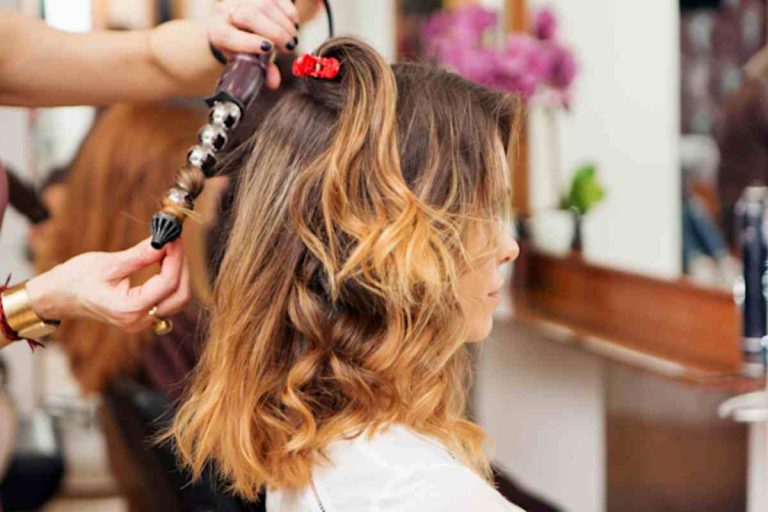
When using heat styling tools, always protect your hair with a heat protectant. Try to use the lowest heat setting that is effective to minimize damage.

Exploring Non-Heat Styles

Experiment with braids, twists, and updos that don’t require heat. These styles can be gentle on your hair while still being stylish and creative.

Protecting Your Hair

Your hair is exposed to various external factors that can cause damage. Protecting it is essential to maintain its health and luster.

Shielding from Environmental Stressors

Sun, wind, and pollution can take a toll on your hair. Protect your hair with hats or scarves when outside and use products with UV protection.

Avoiding Overprocessing

Minimize chemical treatments like coloring, perming, or straightening. Overprocessing can lead to damage, dryness, and breakage.

Haircare and Lifestyle

Your lifestyle choices can have a significant impact on your hair health. A holistic approach to haircare involves more than just topical treatments.

Diet and Hair Health

A nutritious diet rich in vitamins, minerals, and proteins is vital for hair health. Foods like eggs, nuts, and leafy greens can boost hair growth and strength.

Stress Management

Stress can negatively impact your hair. Practices like yoga, meditation, and regular exercise can help manage stress levels, benefiting your hair.

Advanced Haircare Techniques

As you become more adept at haircare, exploring advanced techniques and treatments can further enhance your hair’s health and appearance.

Scalp Treatments

Healthy hair starts with a healthy scalp. Scalp treatments can address issues like dryness, oiliness, and dandruff, promoting overall hair health.

Hair Masks and Serums

Incorporate hair masks and serums into your routine. These products provide intensive care and target specific hair concerns like frizz, dryness, or damage.

The Role of Professional Care

While at-home care is crucial, professional haircare can also play a significant role in maintaining your hair’s health.

Regular Salon Visits

Regular visits to a professional stylist can help keep your hair in optimal condition. They can provide services like trims, treatments, and expert advice.

Consulting with Haircare Professionals

If you’re facing specific hair concerns, consulting with a trichologist or a professional stylist can provide you with tailored advice and solutions.

Embracing Natural Beauty

In the pursuit of perfect hair, remember to embrace and celebrate your hair’s natural texture and uniqueness. Your hair is a part of your identity, and learning to love it in its natural state is a crucial step in mastering the art of haircare.

Celebrating Diversity

Every hair type is beautiful. Embrace the diversity of hair textures and types, and learn styling techniques that enhance your natural hair.

Your Hair, Your Masterpiece

Mastering the art of haircare is a journey that involves learning, experimenting, and adapting. Your hair is your crown, a reflection of your unique beauty. By embracing effective haircare practices, nourishing your hair inside and out, and celebrating its natural beauty, you turn your hair into a living masterpiece. Remember, the ultimate goal of haircare is not just to achieve aesthetic perfection but to foster health, confidence, and self-expression through your beautiful, well-cared-for hair.

Panda Express Menu – Main Menu

0

Panda Express menu is a fast food restaurant franchise in the United States specializing in Chinese cuisine. It is the largest restaurant chain in the Asian segment in the United States, where it started, with more than 2,200 locations, mainly in North America and Asia. Panda Express menu restaurants were only once found in shopping mall food courts. Still, the brand now has locations across the country, including independent restaurants, universities, casinos, airports, military bases, amusement parks and other locations.

Orange chicken, sweet chicken breast, Beijing beef, grilled teriyaki chicken and Kung Pao chicken are among the chain’s Chinese-inspired meals, with premium items like shrimp with walnuts and honey and Angus steak black pepper that requires additional fees.

Panda Express’s menu is a fast and informative version of its corporate counterpart, Panda Inn (a chain of exclusive restaurants with table service).

Also read: 4 Different Ways to Use Foundation

Panda Express Menu – The Main Menu

Panda Express Menu - The Main Menu

Entrees

Honey Sesame Chicken

It is a Juicy Canadian-raised chicken & fresh-cut veggies coated in a sauce with organic honey and served exclusively in Canada. Has 490 calories, 200 calories from fat, 22g total fat, 4g saturated fat, 45mg cholesterol, 480mg sodium, 40g carbohydrates, 2g dietary fibres, 19g sugar and 16g protein.

Orange Chicken

Crispy chicken wok-tossed in a sweet and spicy orange sauce. It is their signature dish. 

Black Pepper Angus Steak

Angus steak is wok-seared with green beans, onions, red bell peppers and mushrooms in a savoury black pepper sauce.

String Bean Chicken Breast

Chicken breast, string beans and onions are wok-tossed in a mild ginger soy sauce.

SweetFire Chicken Breast

Crispy, white-meat chicken, red bell peppers, pineapples, and onions in bright, sweet chilli sauce.

Kung Pao Chicken

A Szechwan-inspired dish with chicken, vegetables and peanuts, finished with chilli peppers.

Mushroom Chicken Wok Smart

A delicate combination of chicken, zucchini and mushrooms wok-tossed with a light ginger soy sauce.

Black Pepper Chicken Wok Smart

Marinated chicken, onions and celery in black pepper sauce.

Grilled Teriyaki Chicken Wok Smart

Grilled chicken hand-sliced and served with teriyaki sauce. The availability of Grilled Teriyaki Chicken may vary by location. 

Broccoli Beef Wok Smart

A classic favourite. Tender beef and fresh broccoli in a ginger soy sauce.

Beijing Beef Spicy

Crispy beef, onions and bell peppers in a sweet-tangy sauce.

Honey Walnut Shrimp

It has 360 calories, 200 calories from fat, 23g total fat, 3.5g saturated fat, 100mg cholesterol, 440mg sodium, 35g carbohydrates, 2g dietary fibres, 9g sugar, and 13g protein. Sizeable tempura-battered shrimp, topped with glazed walnuts and wok-tossed in a honey sauce.

Eggplant Tofu Spicy

It has 340 calories, 210 calories from fat, 24g total fat, 3.5g saturated fat, 520mg sodium, 23g carbohydrates, 3g dietary fibres, 17g sugar and 7g protein. Eggplant, lightly browned tofu, and red bell peppers are tossed in a sweet and spicy sauce.

Sides

Sides

Mixed Vegetables

There is a healthful medley of broccoli, carrots, zucchini, string beans, and cabbage.

Chow Mein

Stir-fried wheat noodles with onions, celery and cabbage.

Fried Rice

Prepared steamed white rice with soy sauce, eggs, peas, carrots and green onions.

White Steamed Rice

What to describe this!

Brown Steamed Rice

And this too!

Appetizers

Chicken Potsticker

Pan-seared dumplings filled with chicken, cabbage and onion.

Cream Cheese Rangoon

Wonton wrappers filled with cream cheese. Served with sweet and sour sauce.

Chicken Egg Roll

Cabbage, carrots, mushrooms, green onions and chicken in a crispy wonton wrapper.

Veggie Spring Roll

Cabbage, carrots, celery, green onions and Chinese noodles in a crispy wonton wrapper.

Crispy Shrimp

Crisp-golden butterflied shrimp.

Desserts

Fortune Cookies

It has 32 calories, two calories from fat, 8mg sodium, 7g carbohydrates, 3g sugar and 1g protein.

Their Locations

1. Mavis & Britannia (Heartland Town Centre)

5985 Mavis Road

Mississauga, ON L5R 3T7

2. Emerald & Ellesmere

#900 7000 Emerald Drive

Sherwood Park, AB T8H 0P5

3. St. Albert Trail (Erin Ridge) Panda Express menu

935 Saint Albert Trail

St. Albert, AB T8N 4K6

4. Parson’s Rd & 99 St (S. Edmonton Commons) Panda Express menu

1330 – 99 Street, Nw

Edmonton, AB T6N 0A8

5. 130th Ave & Deerfoot Trail Panda Express menu

130th Ave And Deerfoot Trail

Calgary, AB T2Z 4E7

6. 127th & 167th (Albany Market Square)

16704 127th Street N.w.

Edmonton, AB T6V 1J6

7. 17th Ave SE & Stoney Trail SE Panda Express menu

409 East Hills Blvd Se

Calgary, AB T2A 4X7

8. University of Alberta – CAB Building

87 Avenue N.w. & 116 Street

Edmonton, AB T6G 2R3

9. Stony Plain Rd & 186th St Panda Express menu

10175 – 186 Street Northwest

Edmonton, AB T5S 0G5

10. Weston & St. Clair (Stockyards Center)

80 Weston Road

Toronto, ON M6N 4X9

Also read: 10 Perfect Hairstyle Ideas for summer

7 Health Issues Every Woman Should Understand

Introduction

Although women and men share many chronic health issues, women have unique health problems that require special attention. Due to the disorder of a woman’s daily life, healthy living can take a back seat. Every woman must get information about women’s health conditions, not only about her reproductive system but also about all parts of her body. Their responsiveness can promote healthy lifestyle practices, which are the best way to prevent disease, prolong life, and improve quality of life. In this article, we will see which conditions women can face the health issues.

Heart Disease

Heart Disease

In the United States, heart disease is the cause of one in four deaths among women. Although people think of heart disease as a more common problem in men, the condition affects men and women almost equally. Yet, only 54 percent of women understand that heart disease is the leading health condition for their gender. In the United States, 49 percent of all customers have high blood pressure, high cholesterol factors contributing to heart disease.

Breast Cancer

Breast cancer, which frequently originates in the lining of milk ducts, can spread to other organs and is the most aggressive cancer disturbing the global women population. The condition is more communal in developed countries due to the longer life expectancy of the female population.

Initially, women with breast cancer may develop a lump in the breast. While most breast lumps are harmless, women need to have each lump checked by a care provider. For those undergoing treatment, breast cancer reconstruction surgeons play a crucial role in helping restore appearance and confidence post-surgery.

Uterine and Ovarian Cancer

Many people are not aware of the difference between ovarian and cervical cancer. Cervical cancer begins in the lower portion of the uterus, though ovarian cancer starts in the fallopian tubes. Although both conditions cause similar pain, cervical cancer also causes discharge and pain during intercourse.

Although the symptoms of ovarian cancer are very vague, the condition is very complex. Finally, the Pap smear detects cervical cancer but not ovarian cancer.

Gynecological Health

Bleeding and discharge is a normal part of the menstrual cycle. However, additional symptoms during menstruation may indicate health problems, and unusual symptoms, such as bleeding between periods and frequent urination, may mimic other health conditions.

Vaginal problems can also specify serious issues such as sexually transmitted diseases (STDs) or generative tract cancer. While care providers can quickly treat mild infections, they can lead to infertility or kidney failure if left untreated.

Pregnancy Problems

Pregnancy ProblemsPre-existing conditions may worsen during pregnancy, putting the mother’s and her baby’s health at risk. Asthma, diabetes, and depression during pregnancy can harm the mother and child if not appropriately managed.

Pregnancy can cause a healthy mother to have a low red blood cell count, identified as anemia or depression. Another problem occurs when a reproductive cell implants outside the uterus, making further pregnancy impossible. Luckily, obstetricians can manage and treat common and rare health problems that may arise during pregnancy.

Diabetes

Although diabetes is positively not exclusive to women, it increases the risk of heart disease in women by four times. Women are also more vulnerable to diabetes-related complications such as blindness, kidney disease, and depression. Gestational diabetes is a form that can occur during pregnancy in which your glucose level rises and causes other complications. It occurs in at least 3 out of 100 women, and treatment may include careful diet, exercise, blood sugar monitoring, insulin injections, and oral medications.

Diabetes can also cause complications during pregnancy, including miscarriage and congenital disabilities. Pregnant women with diabetes may require special testing and monitoring, especially insulin-dependent ones. To lessen your danger of type 2 diabetes, try to preserve a healthy weight, exercise regularly, and quit smoking.

Depression and Anxiety

Natural hormonal fluctuations can be central to depression or anxiety. Premenstrual syndrome (PMS) is more common in women, while premenstrual dysmorphic disorder (PMDD) presents with similar, but more severe, symptoms. Immediately after giving birth, many mothers experience depression, known as the “baby blues,” but prenatal depression causes similar but greater worries, mood swings, sadness, and fatigue. Perimenopause, the transition into menopause, can also cause depression. Regardless of the symptoms, care providers can provide relief with prescription or over-the-counter medications.

Conclusion

Several studies have confirmed that women’s immune systems are more robust in resisting infections than men’s. Genetic structures and microRNAs on the female X chromosome are responsible for a more muscular female immune system. It also means that diseases and health disorders are unique to women based on their genetic makeup.

The diseases mentioned above are more common in women, but this does not mean that men are not prone to the same diseases. Most of these conditions and disorders require immediate treatment to avoid further effects on one’s immune system and health in general.

10 Calming Gifts for People with Anxiety

Let’s face it — watching a friend or family member struggle with their anxiety is tough. When someone’s worry meter is off the charts, it often interferes with their ability to live a normal, happy life. Fortunately, there are plenty of things you can do to help, from recognizing the signs of their anxiety to encouraging them to see a mental health provider.

Another way to show your love and support? Giving them a thoughtful gift that promotes rest and relaxation. After all, nothing is better than the gift of stress relief. Keep reading for 10 calming gift ideas that will help your loved one rejuvenate their mind, body and soul.

1. Weighted Blanket

We’ve all had restless nights where, despite feeling utterly exhausted, we just can’t seem to fall asleep. If your friend’s anxiety causes them to toss and turn at night, help them achieve a better night’s rest by gifting them a premium weighted blanket. These ultra-calming blankets are designed to simulate the feeling of being hugged, increasing the production of the feel-good hormone oxytocin (aka, the cuddle hormone).

Weighted Blanket

2. Therapy Dough

Anyone who has ever played with Play-Doh as an adult knows that it can be a surprisingly relaxing activity. The repetitive act of kneading dough makes us feel more grounded, easing our stress and giving us a sense of satisfaction. So, why not give your loved one some soothing therapy dough to help them find peace? These fidget-friendly doughs often contain relaxing aromas — like eucalyptus and lavender — to help relieve stress.

3. Roll-On Essential Oils

If you are looking for another great gift idea then consider purchasing a shower steamer from BodyRestore.

Speaking of relaxing aromas, has your anxious friend tried aromatherapy? While it might sound dubious, there is some evidence to suggest that certain aromas can improve our health and well-being. For instance, one study found that participants who were exposed to the scent of peppermint experienced a reduction in pain and anxiety. If your friend is an essential oil newbie, consider gifting them a pack of roll-on essential oils that provide stress-relief on the go.

4. Herbal Tea Sampler + Positive Mantra Mug

Herbal tea is a great way to calm down before bedtime and introduce a little more Zen into your daily routine. If the anxious person in your life isn’t a big tea drinker, help them find a new favorite with an herbal tea sampler. Specifically, look for a tea sampler with chamomile, mint, lavender, rose and other tea varieties that are known for promoting rest and relaxation. If you really want to spread some “positivi-tea” into your friend’s life, pair your tea sampler with a personalized mug with a photo or a positive mantra.

5. Anxiety Journal

Journaling for anxiety relief can be beneficial for several reasons. When your mind is racing, getting your thoughts out of your head and onto paper can help declutter your mind, making it easier to sleep. Writing down your thoughts and feelings can also help hold you accountable to your hopes and dreams. For best results, seek out a journal or notebook that will lift your loved one’s spirits. Whether it’s an eye-catching design or a pretty color, your loved one is more likely to write in a notebook that makes them happy whenever they look at it.

Anxiety Journal

6. A “Sweet Dreams” Care Package

If your loved one is having trouble sleeping at night, consider sending them a care package designed to help them wind down before bed. In your care package, include items such as melatonin, soy candles, lavender pillow spray and other bedtime essentials that promote rest and relaxation. Don’t forget to include a sleep mask! For maximum stress relief, choose a weighted eye mask that uses the power of deep touch pressure stimulation.

7. DIY Hot/Cold Pack

Looking for a homemade gift idea for someone with anxiety? If you have basic sewing skills, make a hot/cold pack filled with flax seed or dry rice. These nifty packs can be warmed in the microwave or chilled in the freezer, providing instant stress relief through heat or cold therapy. Hot/cold packs also come in handy for soothing headaches, muscle tension and other physical symptoms of anxiety.

8. Crystal Geode Air Plant

Ever notice how plant parents seem to be more relaxed than everyone else? Turns out, plants can have a positive impact on our health and well-being. According to a study published in the Journal of Physiological Anthropology, surrounding yourself with indoor plants can make you feel less stressed and more comfortable in your home or at the office. Why not add some tranquility to your friend’s room with a crystal geode air plant? Attached to a beautiful geode crystal, these hardy little plants are insanely easy to care for and are sure to brighten up any space.

9. Positive Affirmation Cards

Empower your anxious friend with a pack of positive affirmation cards that they can use on a daily basis. Often used in cognitive behavioral therapy, positive affirmations are positive statements that you repeat to yourself every day to help challenge negative thoughts. The idea is that by repeating these phrases daily, you’ll eventually start to feel calmer and happier in the long-term.

10. Jigsaw Puzzle

During the height of the pandemic, jigsaw puzzles practically flew off the shelves as people looked for ways to alleviate their stay-at-home anxiety and boredom. Not only are jigsaw puzzles good for the brain, they’re also a meditative activity that can help us keep our minds focused on the present. If you’re thinking about buying a jigsaw puzzle for your friend, be sure to choose one that isn’t too difficult.

Jigsaw Puzzle

No matter what type of anxiety your loved one is struggling with, these gifts can go a long way in helping them feel more calm and restful. Even if your gift doesn’t eliminate their anxiety, your anxious friend is sure to appreciate the gesture. Simply knowing that they have your unwavering love and support is a stress-reliever in itself!

Also Read : Spa Write for Us

Overcoming Addiction: The Journey to Recovery

Addiction affects millions of individuals around the world, creating a ripple effect that impacts families, friendships, and communities. Understanding addiction, developing strategies for coping, and embracing support systems are critical for those journeying toward recovery. Each step forward on this path is a testament to the resilience and strength of the human spirit. Keep reading to discover the supportive measures and life-altering practices that can lead to lasting change. 

Understanding Addiction: Recognizing the Signs and Symptoms 

Addiction is a complex disease characterized by compulsive substance use despite harmful consequences. Individuals struggling with addiction may exhibit signs such as changes in behavior, neglect of responsibilities, and withdrawal from social activities. Early recognition of these symptoms is paramount in seeking timely help and preventing the progression of the disorder. 

Physical indicators can also serve as warning signals of substance misuse. These may include sudden weight changes, poor hygiene, sleep disturbances, and unexplained health issues. Being vigilant about these signs within oneself or a loved one can be the first step toward acknowledgment and action. 

Understanding that addiction is not a choice but a medical condition can reduce stigma and offer a more compassionate perspective. Recognizing the signs and symptoms is the prologue to addiction treatment in Texas or elsewhere, which can be customized to suit an individual’s needs, ultimately setting the foundation for recovery. 

Strategies for Breaking the Cycle: Coping With Cravings and Triggers 

Managing cravings and triggers is a dynamic challenge in addiction recovery. Developing effective coping strategies is essential for breaking the cycle of addiction. These strategies often include identifying triggers, creating a plan for when they are encountered, and employing healthy distractions or alternatives to substance use. 

Mindfulness techniques, such as meditation and deep-breathing exercises, have been shown to be beneficial in reducing the intensity and frequency of cravings. Practicing mindfulness can enhance awareness of cravings and enable individuals to respond to them with intention rather than impulsivity. 

Behavioral therapies play a critical role in learning how to cope with triggers. Cognitive-behavioral therapy (CBT), for example, helps individuals identify thought patterns that lead to substance abuse and understand how to reframe these thoughts positively. 

Lifestyle Changes and Holistic Approaches to Aid Recovery 

Unable to load the picture

A cornerstone of successful recovery is often found in the implementation of positive lifestyle changes. Nutritious eating, regular exercise, and sufficient sleep contribute significantly to overall well-being and can bolster the physical body against the rigors of addiction recovery. 

Moreover, engaging in new or long-neglected hobbies can channel energies into constructive and rewarding endeavors. Whether it’s art, music, sports, or volunteering, these activities bring a sense of achievement and fulfillment that was perhaps once sought through substance use. 

Many in recovery also find solace in holistic approaches, embracing practices such as yoga, tai chi, or acupuncture. These methods not only help in coping with stress and cravings but also in fostering a deeper connection with one’s body and emotions, which is integral to healing. 

Navigating Relapse: Maintaining Progress and Building Resilience 

Relapse is viewed not as a failure but as a potential part of the recovery journey. It serves as a signal to re-evaluate and strengthen one’s recovery plan. Acknowledging the potential for relapse and preparing to navigate it proactively can reduce its impact and duration. 

Education on relapse prevention and the development of a solid relapse prevention plan can empower individuals to recognize early warning signs and take prompt action. This may include reaching out to a support system, revisiting treatment options, or adjusting daily routines to address new triggers. 

Overall, recovery from addiction is a multifaceted journey requiring dedication, support, and continuous self-reflection. It’s a path marked by personal growth, resilience-building, and an ever-evolving understanding of oneself. By recognizing the crucial role of support systems, embracing healthy lifestyle changes, and persisting through setbacks, recovery can transform lives, offering a renewed sense of hope and possibility. 

A Few Standard Etiquettes Around Wearing Cowboy Hats

0

Etiquettes Around Wearing Cowboy Hats

You must have seen cine stars in their ranch wear, sporting cowboy hats, boots, horses, and that relaxed attitude. Their overall presence can make you feel you can also ace the cowboy style. Well, it is precisely one of the reasons why many people want to own one in their wardrobe. If you wear it right, you don’t need anybody else’s validation. But it is not a matter of a joke to have one. It can be one of your most special purchases, and hence, you cannot afford to go wrong with it.  You don’t need to be anxious over this. Here are some general rules around how to handle it. Keep them in mind, and you can look perfect.

Shopping guidelines

You get varieties in a cowboy hat – felt, straw, etc. Felt tends to be the popular choice, though. But you cannot appear in this hat during summer as it would be impractical and look awkward. The material can make your head hot and heavy. As an alternative, you can try the straw option. It can be an excellent headwear to keep your head cool. No matter what you choose, sun protection is a guarantee. You can take out your straw hat during Easter and felt hat during Labor Day weekend based on the weather condition in your state.

Another thing you have to be careful about is the size. A too-big hat will fall off your head every time, making everything too messy. And if you attempt to fit your head in a smaller one, you can look too uncomfortable in that. So get the proper size.

Rules around removing your hat

Some occasions demand you to remove your hat gracefully and hold it in one hand. For example, if you attend indoor weddings or funerals, you want to take it off and keep it in your right hand. You also would like to remove it at church prayers, national anthem, flag passing ceremony, etc. During the national anthem, you can half tip your hat. It is also acceptable.

However, when someone introduces you to a woman, the experts suggest grabbing its crown with your left hand to take it off and keeping your right hand free for shaking hands with her. Whether you stop to say hello to someone, you can again remove it. Apart from this, if you visit someone’s home, you may consider removing your hat if others have also removed theirs.

These are some of the scenarios to remember. And regardless of the occasion, make sure to remove your hat by its crown. Some people like to use their brim, but it can become inconvenient if it lacks strength. At the same time, you can adjust your hat using its brim. In this context, it can be essential to know that you should keep your hat down on its crown and not the bill. However, you will not need to worry about this if there is a rack or hat stand in the room.

Do you wonder if you can keep it on in the restaurant? Well, the casual dining atmosphere is something different. But when you go for fine dining, removing your hat can be the best practice.

Anyway, you can decide what is best to do. These are not laws, just some socially acceptable conduct. Some occasions may not be the place for your cowboy look. That’s why it can be better to stick to their requirements.

The tips for first-time hat buyers

It can be impossible to resist the charm of these hats, which have become an integral part of western wear today. And it is not just men who take pride in their cowboy looks. The ladies also don’t mind flaunting their cowgirl side. Well, whether you are a fashion-forward person, a casual stylist, or somewhere in between these two groups, trying anything new for the first time can be slightly overwhelming. You may feel a little nervous about your decision. So, the best way to deal with it is to go for safe choices like black or silver colors. These can enhance any dressing with their timeless and classic appeal.

Dressing up in your favorite attire with handpicked accessories can be fun. Those who care for details would only know how much effort and thinking it takes to pull together the perfect ensemble. Still, you don’t need to spend too much time and energy finding the right choice, especially with options like cowboy hats for men. There are unique varieties for everyone. You can wear it to curate formal, semi-formal, casual, or any other look that you desire. In the end, you can check yourself in the mirror and appreciate your style. If you have a nice pair of cowboy boots also, it can be incredible. You can walk into your friends’ party at a pub or somewhere else in total confidence.

Obtaining Healthcare Software Integration Solutions: All You Need to Know

Healthcare facilities strive to offer the best patient care and operational efficiency. Technology advancement has helped a lot, mainly through healthcare software integration solutions. As a healthcare practitioner who is looking forward to enhancing healthcare services, you need to learn more about EMR integration solutions and EHR integration solutions.

This article contains a major step in this process: obtaining healthcare software integration services. Read through to understand more.

Meaning of Healthcare Software Integration

We can simply define healthcare software integration as the practice of merging several digital systems such as EMR and EHR to enhance the data-sharing process and communication. With integration, practitioners can easily reduce errors and improve overall patient outcomes. With this solution, they can also access critical patient data swiftly.

Choosing the Best Integration Services for EMRs

Finding experts with experience in healthcare system integration is crucial when selecting EMR integration services. These services reduce any interruptions to your regular activities and facilitate the transfer. To guarantee compatibility with your present software, top developers examine your current configuration and recommend the finest tools.

The individualized support that expert EMR integration services offer is one of their main advantages. Working with a specialized team such as Empeek will allow you to collaborate with professionals who are knowledgeable about the unique requirements of healthcare systems and who can help you at every stage of the integration process.

Collaborating with EHR Integration Companies

To ensure that your healthcare facility implements scalable, secure, and efficient healthcare software integration solutions, you must collaborate with EHR integration firms. These businesses offer specific expertise to assist you in choosing an EHR option that complements the objectives of your facility and improves patient care.

They develop unique solutions that make it possible for your EHR systems to integrate seamlessly with other programs, resulting in a more reliable and cohesive workflow.

Additionally, EHR integration companies guarantee regulatory compliance, help with data migration, and offer continuous support. Their knowledge lowers risks related to privacy and data security, which are crucial in the healthcare industry.

Perks of Relying on Healthcare Software Integration Solutions

There are numerous benefits that come with depending on healthcare software integration solutions today. By enabling the examination of patient histories without manually requesting information from other departments, EMR integration services help healthcare providers collaborate more effectively. Better coordination, quicker decision-making, and fewer administrative duties result from this simplified access.

EMR integration tools are designed to facilitate seamless system integration without requiring the replacement of current configurations. By reducing human error, eliminating duplicate records, and improving data quality, they free up healthcare professionals to devote more time to patient care.

Selecting the Best Tools for EMR Integration

Numerous EMR integration options are available, each with a unique purpose. While some solutions aid in real-time data access and system connectivity, others concentrate on improving the speed of data transfers.

Your facility’s unique requirements and the complexity of your current systems will determine the optimal option. With the correct technologies, you can improve patient outcomes, increase data accuracy, and automate repetitive operations.

Conclusion

Healthcare software integration can be very beneficial to your healthcare institution today. Now that you know how to select the ideal option and how to collaborate with these experts, we hope that you can navigate this field with ease.

The Skincare Routine That Transformed My Skin: A Complete Beginner’s Guide

0

My Skin Journey: From Frustration to Confidence

Let me start with a confession: I used to wash my face with bar soap and call it a day. My skincare “routine” consisted of whatever sample I got at the makeup counter, applied haphazardly. The result? Constant breakouts, dry patches that flaked under foundation, and that stubborn dullness that no amount of highlighter could fix.

It wasn’t until I developed cystic acne in my late 20s that I finally took skincare seriously. After visiting three dermatologists, spending thousands on products that didn’t work, and nearly giving up, I discovered something revolutionary: consistency with the basics works better than chasing every new miracle product.

For the past five years as a beauty blogger and certified esthetician, I’ve tested over 500 products, consulted with dermatologists, and most importantly, helped thousands of beginners develop routines that actually work. The secret isn’t expensive creams or complicated 10-step regimens—it’s understanding your skin and mastering the fundamentals.

Why Most Beginners Fail at Skincare (And How You Won’t)

The biggest mistake I see? Overwhelm. The beauty industry wants you to believe you need 12 products before breakfast. You don’t. Another common error: using active ingredients without understanding them. That 10% glycolic acid serum isn’t doing you any favors if your skin barrier is compromised.

Here’s what actually matters:

  1. Consistency over perfection – A simple routine done daily beats a complicated one done weekly

  2. Listening to your skin – It tells you what it needs (tightness means dryness, stinging means irritation)

  3. Patience – Skin cycles take 28 days; give products at least a month

The 5-Step Foundation Every Beginner Needs

Step 1: Cleanse – The Most Important Step You’re Probably Doing Wrong

The Mistake: Using stripping cleansers that leave skin “squeaky clean” (that’s bad!), or worse, using makeup wipes as cleansing.

The Right Way:

  • Morning: Use only water or a gentle micellar water if you have oily skin

  • Evening: Double cleanse

    1. First cleanse: Oil-based cleanser or balm to remove sunscreen/makeup

    2. Second cleanse: Water-based cleanser for deeper cleaning

Product Recommendations:

  • Budget: CeraVe Hydrating Facial Cleanser ($15) – My top recommendation for most skin types

  • Mid-Range: La Roche-Posay Toleriane Hydrating Gentle Cleanser ($25)

  • Luxury: Tatcha The Rice Wash ($38) – Worth every penny for sensitive skin

Pro Tip: Your cleanser should leave skin feeling clean but not tight. If it stings or leaves redness, it’s too harsh.

Step 2: Tone – Not Your Grandma’s Astringent

The Mistake: Skipping toner because you think it’s drying alcohol in a bottle.

The Reality: Modern toners are hydrating, pH-balancing treatments. They prep your skin to absorb subsequent products better.

How to Choose:

  • Dry/Sensitive: Hydrating toners with hyaluronic acid

  • Oily/Acne-Prone: Exfoliating toners with salicylic acid (2-3 times weekly)

  • Dull Skin: Brightening toners with vitamin C

Application: Apply to damp skin with hands (cotton pads waste product). Pat, don’t rub.

Step 3: Treat – Where the Magic Happens

This is your “problem solver” step. Crucial: Start with ONE treatment, not five.

Beginner-Friendly Treatments:

  1. Vitamin C Serum (Morning)

    • Benefits: Brightening, sun protection boost, collagen production

    • Start with: 10-15% L-ascorbic acid

    • My favorite: Mad Hippie Vitamin C Serum ($27)

  2. Retinol (Evening – 2-3 times weekly to start)

    • Benefits: Anti-aging, acne treatment, texture improvement

    • Beginner formula: Differin Gel (now OTC) or CeraVe Resurfacing Retinol Serum

    • Warning: Can cause purging for 4-6 weeks

  3. Hydrating Serum (Daily)

    • Hyaluronic acid on damp skin = plump, hydrated complexion

    • The Ordinary Hyaluronic Acid 2% + B5 ($7) is fantastic

Step 4: Moisturize – Non-Negotiable for All Skin Types

The Myth: “I have oily skin, I don’t need moisturizer.”
The Truth: Dehydrated skin often overproduces oil. Everyone needs moisturizer.

Choosing Your Moisturizer:

  • Oily Skin: Gel or water-cream formulas

  • Dry Skin: Creams with ceramides and lipids

  • Combination: Lightweight lotions

  • Sensitive: Fragrance-free with minimal ingredients

Morning vs. Evening:

  • AM: Lightweight, under SPF

  • PM: Richer, reparative formulas

Step 5: SPF – The Ultimate Anti-Aging Product

If you remember nothing else from this guide: WEAR SUNSCREEN DAILY.

Why: Prevents 80% of visible aging, reduces cancer risk, prevents hyperpigmentation

Mineral vs. Chemical:

  • Mineral (Zinc/Titanium): Better for sensitive skin, leaves possible white cast

  • Chemical: More elegant finish, can irritate some skin

Application: ¼ teaspoon for face, reapply every 2 hours if outdoors

Building Your Custom Routine

For Dry Skin:

AM: Gentle cleanse → Hydrating toner → Hyaluronic acid → Rich moisturizer → Mineral SPF
PM: Oil cleanse → Cream cleanse → Hydrating toner → Treatment (skip retinol if very dry) → Night cream

For Oily/Acne-Prone:

AM: Water rinse → Salicylic acid toner (3x/week) → Niacinamide serum → Oil-free moisturizer → SPF
PM: Double cleanse → Treatment (retinol or benzoyl peroxide) → Light moisturizer

For Sensitive Skin:

AM: Water cleanse → Soothing toner → Barrier repair serum → Minimalist moisturizer → Mineral SPF
PM: Oil cleanse → Milky cleanse → Same as AM minus SPF

Common Beginner Questions Answered

Q: How long until I see results?

A: 4-6 weeks for most products. Skin cell turnover takes 28 days. Retinol purging can last 8 weeks. Be patient!

Q: Can I use multiple treatments?

A: Not initially. Start with one, add after 2 months. Never mix: Vitamin C + Retinol, Retinol + AHA/BHA acids.

Q: Do I need eye cream?

A: Not necessarily. Your face moisturizer often works. If you have specific concerns (dark circles, puffiness), then yes.

Q: How do I know if a product is breaking me out?

A: Purging (small whiteheads where you normally breakout) lasts 4-8 weeks. Allergic reaction (redness, itching, rash) happens immediately. True breakout (cystic acne in new areas) means stop using.

The 7 Deadly Skincare Sins Beginners Commit

  1. Over-exfoliating – More than 3 times weekly damages barrier

  2. Skipping SPF – Makes all other products less effective

  3. Using expired products – Most last 6-12 months after opening

  4. Constantly switching products – Doesn’t give anything time to work

  5. Following trends blindly – Just because it’s viral doesn’t mean it’s right for you

  6. Using dirty hands/applicators – Wash hands first, clean brushes weekly

  7. Sleeping with makeup – Single worst thing for your skin

Budget-Friendly Starter Kit (Under $100)

If you’re overwhelmed, start here:

  1. CeraVe Hydrating Cleanser ($15)

  2. The Ordinary Glycolic Acid Toner ($9) – Use 2x/week

  3. The Ordinary Niacinamide Serum ($6)

  4. CeraVe PM Moisturizer ($15)

  5. La Roche-Posay Anthelios SPF 50 ($20)

  6. Garnier Micellar Water ($9) – For first cleanse
    Total: $74

When to See a Professional

While this guide covers basics, consult a dermatologist if:

  • Persistent cystic acne

  • Severe redness/rosacea

  • Suspicious moles or growths

  • Conditions like eczema or psoriasis

  • You want prescription-strength treatments

Your First Month Roadmap

Week 1-2: Establish consistency with cleanser, moisturizer, SPF
Week 3-4: Add treatment serum (choose one concern)
Month 2: Consider adding second treatment or exfoliant
Month 3: Evaluate progress, adjust as needed

The Mindset Shift That Changed Everything For Me

Skincare isn’t vanity—it’s self-care. Those five minutes morning and night became my meditation. When I stopped chasing perfect skin and started nurturing the skin I have, everything changed. My skin improved, yes, but more importantly, I developed compassion for myself in the process.

Your skin is your body’s largest organ. It protects you. It communicates with you. Listen to it. Be gentle with it. And remember: progress over perfection.

Next Steps

  1. Take a selfie today – Track your progress monthly

  2. Choose your cleanser and SPF – Start there

  3. Set phone reminders – Consistency is key

  4. Join our free skincare challenge – 30 days of guided routines

Remember: Every expert was once a beginner. Every flawless complexion you admire started with someone deciding to wash their face properly tonight. That someone can be you—starting now.

About the Author: Jane Mitchell is a certified esthetician with 5+ years of clinical experience and founder of the “Skin Confidence” coaching program. She’s helped over 2,000 clients develop personalized skincare routines through her clinic and online courses. Her approach focuses on sustainable habits over quick fixes.

Medical Disclaimer: This content is for informational purposes only. Not medical advice. Consult a dermatologist for personal concerns. Contains affiliate links to products I genuinely use and recommend.

Symptoms of Declining Oral Health: 10 Warning Signs to Be Aware Of

I want to be straight with you: your mouth will tell you when something’s off. If you know what to look for, you can catch problems early—before they become expensive and painful.

I’ve watched people shrug off small symptoms for months, then end up dealing with major issues that were totally preventable. So here’s a straightforward, practical guide to the most common warning signs of declining oral health. What they mean. When you should worry. And what to actually do about them.

Pay attention to these 10 signs. Your future self will thank you.

Table of Contents

Warning Sign #1: Persistent Bad Breath (That Won’t Go Away)

What You’re Actually Experiencing

Bad breath that sticks around even after brushing your teeth, using mouthwash, or eating mints. We’re talking breath that people notice when you talk to them. The kind that makes you self-conscious.

What It Usually Means

Bad breath isn’t just about what you ate for lunch. Persistent halitosis signals something deeper:

Most common causes:

  • Bacterial buildup on your tongue and teeth (most likely)

  • Early gum disease or gingivitis

  • Food trapped between teeth or under gums

  • Dry mouth (reduces saliva’s natural cleaning)

  • Poor oral hygiene habits

  • Sometimes: sinus issues or digestive problems

What You Should Do

First, try the basics:
✓ Brush your tongue (bacteria live there)
✓ Floss daily (food trapped between teeth = smell)
✓ Drink more water (dry mouth is a culprit)
✓ Use a tongue scraper
✓ Skip mouthwash with alcohol (it dries mouth out)

If it persists after a week:
Book a dental checkup. Bad breath is often the first sign of gum disease, which gets worse if ignored.

Related reading: Learn about 4 Common Cosmetic Dental Procedures which often include professional cleaning and whitening that address bad breath causes.

Warning Sign #2: Bleeding Gums When You Brush or Floss

What You’re Actually Experiencing

Red spotting on your toothbrush. Bleeding when you floss. Maybe your gums are tender or puffy.

What It Usually Means

Here’s the truth: healthy gums don’t bleed. If yours are bleeding, something’s happening.

Most likely reasons:

  • Gingivitis (early gum disease) — very common

  • Plaque buildup irritating gums

  • Aggressive brushing with a hard toothbrush

  • Flossing after months of not flossing (gums are inflamed)

  • Vitamin K deficiency (rare)

  • Certain medications

What You Should Do

Immediately:
✓ Switch to a soft-bristled toothbrush
✓ Be gentler when brushing (you’re not scrubbing a pot)
✓ Floss daily but gently
✓ Rinse with warm salt water twice daily
✓ Avoid tobacco and smoking

Within a week:
Schedule a dental checkup. If it’s gingivitis, your dentist can do a cleaning and teach you better techniques.

Important: Bleeding gums are a red flag (literally). If you ignore this, it can progress to periodontitis, which causes bone loss and tooth loss. Catch it now.

Find the right dentist: Choose the Right Cosmetic Dentist in Sydney – especially one experienced with gum disease.

Warning Sign #3: Swollen, Tender, or Receding Gums

What You’re Actually Experiencing

Your gums look puffy and red. They’re sore when you touch them. Or teeth suddenly look longer because gums are pulling away (receding).

What It Usually Means

Swollen gums signal:

  • Chronic gum disease (periodontal disease)

  • Poor oral hygiene

  • Plaque and tartar buildup

  • Sometimes: hormonal changes, pregnancy, or vitamin deficiencies

Receding gums signal:

  • Advanced gum disease

  • Overly aggressive brushing

  • Genetics (some people are prone)

  • Smoking

  • Misaligned teeth causing pressure on gums

  • Inadequate flossing

Why This Matters

Receding gums expose the softer root surface underneath. This leads to:

  • Tooth sensitivity

  • Increased decay risk

  • Visible tooth length changes

  • Aesthetic concerns

What You Should Do

Immediately:
✓ Stop aggressive brushing
✓ Use a soft toothbrush
✓ Floss gently
✓ See a dentist for professional cleaning

At your appointment:

  • Ask about scaling and root planing (deep cleaning)

  • Discuss gum grafting if recession is severe

  • Get tips on proper brushing technique

Long-term:
Gum disease needs ongoing management. Regular checkups become essential.

Read more: Dental Implant Treatment: Complete Guide discusses implants as a solution if gum disease leads to tooth loss.

Warning Sign #4: Tooth Sensitivity to Hot, Cold, or Sweet

What You’re Actually Experiencing

Sharp discomfort or pain when you eat ice cream, drink hot coffee, or bite into something sweet. The pain is usually short-lived but intense.

What It Usually Means

Tooth sensitivity indicates exposed dentin (the softer layer under enamel). This happens because:

Most common causes:

  • Enamel erosion (acidic foods/drinks, aggressive brushing)

  • Gum recession exposing root surfaces

  • Cracked or chipped teeth

  • Worn fillings

  • Cavities beginning to form

  • Recent dental work (temporary)

What You Should Do

Try these first:
✓ Use sensitivity toothpaste (contains compounds that block sensation)
✓ Avoid acidic drinks (citrus, sports drinks, soda)
✓ Don’t brush aggressively
✓ Use a fluoride mouthwash
✓ Avoid teeth grinding (wear night guard)

If sensitivity persists for more than a week:
See your dentist. They can:

  • Apply fluoride gel to sensitive areas

  • Place a bonding resin over exposed root

  • Recommend a gum graft if recession is severe

Important: Sensitivity sometimes signals early decay. Don’t assume it’ll just go away.

Explore solutions: 4 Common Cosmetic Dental Procedures includes bonding and veneers which can address sensitivity permanently.

Warning Sign #5: Loose or Shifting Teeth

What You’re Actually Experiencing

A tooth feels wobbly when you touch it. Your bite has changed. Teeth are moving or shifting position.

What It Usually Means (and This Is Serious)

Loose teeth aren’t normal in adults. This signals:

Critical causes:

  • Advanced gum disease (bone loss)

  • Significant bone loss around tooth roots

  • Trauma or injury to teeth

  • Poorly fitted dental work

  • Clenching or grinding damage

Why This Is Urgent

Loose teeth mean you’re losing the bone that holds them. Once bone is gone, teeth fall out. This requires fast intervention.

What You Should Do

Do this today:

  • Call your dentist and explain the situation

  • Try to get an appointment within 48 hours

  • Avoid chewing on that side

  • Be gentle with the tooth

What your dentist might recommend:

  • X-rays to assess bone loss

  • Scaling and root planing if gum disease is cause

  • Possible bone grafting

  • If tooth can’t be saved: extraction and replacement with implant or bridge

Read about alternatives: Dental Implant Treatment: Complete Guide explains implants for missing teeth. Dental Bridges: What You Need to Know covers bridges as alternative.

Severity: HIGH—don’t delay

Warning Sign #6: Persistent Toothache or Constant Tooth Pain

What You’re Actually Experiencing

Pain that won’t go away. Sharp throbbing. Pain that wakes you at night. Pain when chewing or biting.

What It Usually Means

Toothache isn’t something to tough out. It means something’s genuinely wrong:

Most likely causes:

  • Deep cavity reaching the nerve

  • Abscess (bacterial infection)

  • Cracked tooth

  • Exposed nerve

  • Tooth grinding damage

  • Failed filling or crown

Why You Can’t Ignore This

An abscess is a serious infection. Ignoring it means:

  • Infection spreads to jaw bone

  • Possible cellulitis (spreading facial infection)

  • Hospital-level emergency

  • Tooth loss

What You Should Do

Immediately:
✓ Call your dentist for emergency appointment
✓ Take over-the-counter pain relief (ibuprofen usually helps more than acetaminophen)
✓ Rinse with warm salt water
✓ Avoid very hot/cold foods
✓ Don’t put pressure on the tooth

What to expect:

  • X-rays to see cause

  • Possible antibiotics if infected

  • Filling, root canal, or extraction depending on severity

Don’t wait: Dental pain that’s this bad won’t resolve itself.

Severity: HIGH—seek care within 24 hours

Warning Sign #7: White, Brown, or Dark Spots on Teeth

What You’re Actually Experiencing

Visible discolored patches, tiny holes, or spots that are a different color than your tooth.

What It Usually Means

White spots:

  • Very early decay (cavities starting)

  • Enamel hypoplasia (developmental issue)

  • Fluorosis (too much fluoride as child)

Brown or dark spots:

  • Decay (cavity forming)

  • Staining from food/drink/smoking

  • Sometimes: internal tooth damage

Why This Matters

Early decay is super easy and cheap to fix. A filling costs a couple hundred dollars and takes 30 minutes. Waiting means:

  • Cavity gets deeper

  • Might need root canal ($1,500+)

  • Might need extraction and implant ($5,000+)

What You Should Do

This week:

  • Book a dental appointment

  • Don’t assume spots are just staining

  • Ask dentist to assess

What they’ll do:

  • Use explorer tool to check if spot is decay

  • Take X-rays if needed

  • Do filling if cavities exist

  • Discuss prevention

Prevention going forward:

  • Cut back on sugary/acidic foods and drinks

  • Brush twice daily with fluoride toothpaste

  • Floss daily

  • Regular cleanings

Warning Sign #8: Changes in Bite, Jaw Clicking/Popping, or Jaw Pain

What You’re Actually Experiencing

Clicking or popping sound when you open your mouth. Jaw pain or soreness. Difficulty chewing. Headaches that feel like they’re from your jaw.

What It Usually Means

These symptoms point to:

  • TMJ disorder (temporomandibular joint dysfunction)

  • Teeth grinding (bruxism) causing wear

  • Shifting teeth from bone loss

  • Misalignment of bite

  • Muscle tension in neck/jaw

Why This Matters

TMJ issues cause:

  • Chronic pain and headaches

  • Premature wear on teeth

  • Eventual tooth damage

  • Sleep disruption

What You Should Do

Immediately:
✓ Wear a night guard if you grind teeth
✓ Apply heat/ice to jaw (alternate)
✓ Do gentle jaw stretches
✓ Avoid hard foods
✓ Reduce stress (tension worsens it)

Schedule an appointment:

  • See your dentist for assessment

  • May need night guard fabrication

  • Sometimes need bite adjustment

  • Rarely: specialist TMJ referral

Related: If cosmetic concerns follow from teeth wear or misalignment, explore 4 Common Cosmetic Dental Procedures for smile improvement options.

Warning Sign #9: Sores, Lumps, or White Patches That Don’t Heal

What You’re Actually Experiencing

Mouth ulcer that’s been there more than two weeks. Unusual bumps in your mouth. White patches you can’t scrape off.

What It Usually Means

Most common (nothing serious):

  • Canker sore from injury

  • Thrush (fungal infection)

  • Irritation from sharp food

Less common but possible:

  • Oral cancer (early stage)

  • Precancerous lesions

  • Serious infection

  • Other health issues

Why This Matters

Mouth sores that last more than two weeks warrant professional evaluation. Early detection of serious issues makes huge difference.

What You Should Do

Within 48 hours:

  • Stop irritating the area

  • Rinse with salt water

  • Use oral ulcer medication

If it doesn’t improve in 7-10 days:

  • See your dentist

  • Be prepared to possibly see oral surgeon or ENT

  • Get it checked—seriously

Don’t Google it to death: Web searching oral sores leads to catastrophizing. Let a professional assess.

Severity: MEDIUM—don’t ignore beyond two weeks

Warning Sign #10: Dry Mouth or Persistent Bad Taste

What You’re Actually Experiencing

Sticky feeling in your mouth. Constant thirst. Difficulty swallowing. Metallic or bitter taste that won’t go away.

What It Usually Means

Common causes:

  • Side effect of medication (very common)

  • Dehydration

  • Mouth breathing

  • Autoimmune conditions (Sjögren’s syndrome)

  • Cancer treatment side effect

  • Salivary gland issues

Why This Matters

Saliva is your mouth’s natural protection:

  • Cleanses teeth

  • Fights bacteria

  • Prevents decay

  • Maintains oral pH

Without adequate saliva:

  • Decay accelerates dramatically

  • Fungal infections happen more

  • Difficulty wearing dentures

  • Taste issues

What You Should Do

Immediately:
✓ Stay hydrated (drink more water)
✓ Use sugar-free lozenges or gum
✓ Avoid alcohol and tobacco
✓ Don’t overuse mouthwash (many dry mouth out)

This week:

  • Ask your doctor about medication side effects

  • See your dentist for dry mouth assessment

  • Ask about saliva substitutes or stimulants

  • Discuss extra fluoride protection

Long-term management:

  • More frequent dental visits (decay risk is higher)

  • Possibly prescription-strength fluoride

  • Careful diet (avoid hard/sticky foods)

Quick Reference: When to Get URGENT Care

Don’t wait for an appointment. Go to emergency or call 911 if you have:

⚠️ Severe facial swelling (could be spreading infection)
⚠️ High fever with tooth pain (sign of serious infection)
⚠️ Difficulty swallowing or breathing
⚠️ Heavy bleeding that won’t stop
⚠️ Sudden loosening of multiple teeth
⚠️ Severe pain that won’t respond to pain relief

Simple Prevention Checklist (Actually Works)

You don’t need fancy routines. These basics prevent most problems:

Daily:
✓ Brush twice with fluoride toothpaste (2 minutes, not aggressive)
✓ Floss once (gently, between teeth and below gum line)
✓ Drink water throughout day
✓ Avoid constant snacking

Weekly:
✓ Limit sugary and acidic drinks
✓ Check your mouth in mirror (look for changes)

Every 6 months:
✓ Professional cleaning
✓ Dental checkup

Yearly:
✓ Full mouth assessment
✓ X-rays if recommended

If anxious about visits: Read Overcome Your Fear of the Dentist – many people avoid care because of anxiety, but solutions exist.

Honest Myths I Hear All the Time

“Bleeding gums are normal”

Nope. Healthy gums don’t bleed. This is always a sign something’s off.

“If it doesn’t hurt, it’s okay”

Wrong. Many serious problems—cavities, bone loss, early cancer—don’t hurt initially. Pain-free doesn’t mean problem-free.

“I can treat an abscess with home remedies”

No. You can mask symptoms temporarily, but infection won’t go away without professional treatment. It spreads.

“It’s just staining, not a cavity”

Maybe. But spots should be professionally assessed. Assuming they’re staining and waiting means you might miss early decay that’s super easy to fix.

“I’ll just avoid the dentist until it gets really bad”

This is exactly backward. Early treatment is cheaper, faster, and easier.

What Cosmetic Work Fits In

If oral health needs treatment but you also care about appearance (which is most people), good news: cosmetic and restorative work often go together perfectly.

Common Combinations

Fix decay + improve appearance:

  • Get cavities filled + professional whitening

  • Replace missing tooth with implant + match surrounding teeth shade

  • Rebuild damaged tooth with crown + veneer adjacent teeth

Full transformation:

  • Address gum disease + gum contouring for better gum line

  • Replace missing teeth with implants + do full smile makeover with whitening and veneers

See options: 4 Common Cosmetic Dental Procedures covers what’s possible once health is addressed.

For missing teeth: Dental Implant Treatment: Complete Guide and Dental Bridges: What You Need to Know show replacement options.

Your Next Steps

If You Notice Symptoms Now

  1. Identify which warning signs apply – Check against this list

  2. Rate urgency:

    • High (bleeding gums, loose teeth, severe pain) → Call dentist today

    • Medium (sensitivity, swelling, spots) → Book appointment this week

    • Low (mild discoloration, minor breath issues) → Schedule routine checkup

  3. Find the right dentist – Read Choose the Right Cosmetic Dentist in Sydney for tips on selecting someone you trust

  4. Be honest at appointment – Tell dentist exactly what you’re experiencing and when it started

  5. Get a treatment plan – Ask for step-by-step plan explaining what’s wrong and how to fix it

  6. Discuss cosmetics later – Once health is handled, ask about smile improvement options

If You’re Anxious About Visiting

Read: Overcome Your Fear of the Dentist – Many people avoid care because of anxiety. Solutions exist and dentists understand.

If You Just Want to Prevent Problems

Key habits:

  • Brush twice daily, floss once daily

  • See dentist twice yearly

  • Cut back on sugary/acidic foods

  • Don’t smoke

  • Stay hydrated

  • Manage stress (reduces grinding)

Real Talk: Why This Matters

I know reading through warning signs can feel scary. “Do I have gum disease? Is this a cavity? Should I panic?”

Here’s the reality: most of these problems are totally manageable if caught early. A cavity caught at warning sign #7? Easy fill, cheap, done in 30 minutes. The same cavity ignored for a year? Root canal, $1,500, complex procedure.

Gum disease caught at bleeding gums? Professional cleaning, habit changes, it improves. Same disease ignored? Bone loss, tooth loss, expensive reconstruction.

So don’t panic. Just pay attention. Your mouth’s trying to tell you something. Listen to it.

Start here:

Explore common procedures:

For missing teeth:

If you’re nervous:

Conclusion

Declining oral health doesn’t happen overnight. It’s usually a series of warning signs your body sends. Bleeding gums. Sensitivity. Discoloration. Small changes.

The good news? You can catch almost all of these early. And early treatment is simpler, cheaper, and way less stressful than emergency procedures.

Pay attention to your mouth. If you notice any of these 10 warning signs, don’t ignore them. Book an appointment with a dentist you trust. Get it assessed.

Your teeth will be around for the rest of your life. Take care of them now, and you’ll avoid expensive, painful problems later.

7 Creative Ways to Style Palazzo Pants

0

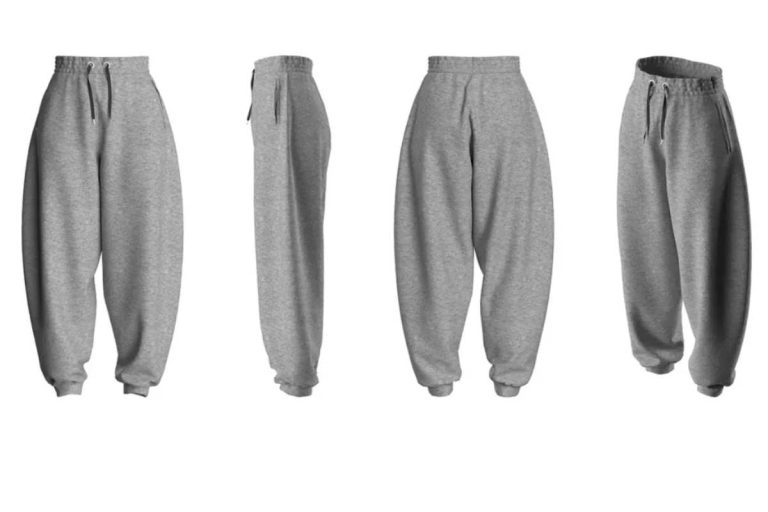
With their breezy fabric and wide-leg design, palazzo pants are made to flow as you walk, creating a look that’s as elegant as it is effortlessly cool. They’re the ultimate blend of flair and comfort, making them every fashionista’s dream. If you want that laid-back chic look we all crave, palazzo pants are your go-to fashion statement. Not sure how to style these beauties? From dressing up for a night out in cute heels to keeping it casual with flats for brunch, we’ll dive into seven different creative ways to style palazzo pants. 

7 Creative Ways to Style Palazzo Pants

  1. Try Palazzo Jeans — FunkyForty, a fashion and lifestyle blog, shares that one of the most popular urban myths about palazzo pants is that short women can’t wear them. That’s totally false! If you’re a petite lady, you don’t need to shy away from palazzo pants. Because of the length and style of palazzo pants, they actually elongate your legs, but if you still feel like they might drag on you, wear them with heels. An easy way to get into the palazzo pants trend is by trying palazzo jeans. For a bit of retro cool, pair your palazzo jeans with a tucked-in graphic tee or cropped sweater. Add chunky sneakers or platform sandals to really make your outfit pop. 
  2. Vintage-Inspired — Styling a vintage-inspired palazzo pants look is all about channeling retro vibes with a modern twist. Begin with a tucked-in blouse with classic patterns like polka dots or florals for old-school charm. Add a wide-brimmed hat and cat-eye sunglasses to really nail the vintage look. Complete the outfit with chunky heels or platform wedges, and don’t forget a bold red lip for that final touch of glam. From a picnic in the park to a day out with friends, this vintage-inspired look will make you feel like you stepped right out of a stylish time capsule. 7 Creative Ways to Style Palazzo Pants
  3. Bright Colors — Start by pairing bright-colored palazzo pants with a neutral top to let those colors shine, or go all out with an equally bright top in a contrasting color for a fun color-blocking effect. Add on playful accessories like chunky bangles or a statement necklace. Keep your shoes simple, like white sneakers or neutral-colored sandals, to let your pants do the talking. From hitting the town to just hanging out, eye-catching palazzo pants can help you stand out in the best way. 
  4. Easy, Breezy Wedge sandals and palazzo pants are a match made in heaven, adding just the right amount of height to keep things breezy and fun! If you’re headed to the beach or an island vacation, pack lightweight, flowy palazzo pants in tropical prints or bright colors to match your sun-kissed vibe. Pair them with a cute bikini top or off-the-shoulder blouse for that laid-back, beachy look. Slide into comfy flip-flops or strappy sandals, and add on a wide-brimmed hat and oversized sunnies for the ultimate vacay feel. Stroll along the shoreline and grab drinks by the pool in your palazzo pants as your new go-to for off-duty vacation style. 
  5. At the Office — Pair palazzo pants with comfortable work shoes for women so you can strut into the office and enjoy all-day comfort. Start with a button-up shirt or blouse to wear with your palazzo pants. Add a fitted blazer to keep things looking sharp, and finish off the look with work shoes or block heels. Choose neutral or muted tones for a sophisticated touch, and consider adding one pop of color like a bold accessory. Keep your jewelry minimal and accessorize with a structured handbag. Soon, you’ll be breezing through the workday, looking totally put together. 7 Creative Ways to Style Palazzo Pants
  6. Matching Set — Want a surefire way to make a statement? Try a coordinated top and palazzo pants matching set in a bold print or vibrant color. From the wrap blouse to the matching jacket, the key is to let the set speak for itself. Pair the matching set with simple accessories like neutral-toned heels and delicate silver or gold jewelry. Add a simple handbag, and you’ll be ready to rock the palazzo pants matching set at work, a party or a night out with friends. 
  7. Party on — It’s not a real party until there’s some palazzo pants in the mix. To style your palazzos for your next soiree, choose a pair in luxurious fabric like satin or velvet and then pair them with a sparkling or sequin top to really stand out. Tuck the top into your pants to accentuate your waist. Slip into strappy heels to elongate your legs and add a chic bejeweled clutch for that final touch of glam. It’s the perfect look for a cocktail party or hot dinner date. 

Now that you’ve got some inspiration on how to style palazzo pants, it’s clear that the styling possibilities are as wide as those fabulous pant legs. Have fun playing around with different looks, mixing and matching and creating new outfits to your heart’s content. Palazzo pants are all about that easy, breezy vibe to allow your fashion sense to flow and make a statement wherever you go. As the weather cools down over these crisp autumn days, give your palazzo pants an edgy twist with stylish boots for ladies that are both cozy and fabulous.