Home Blog Page 20

5 Diets Backed by Science

0

Have you ever heard about a potential breakthrough in diet and nutritional science and then realized when you look at the evidence that it was really just the product of hype from the media and the diet industry? Many of us who follow the world of dietary health have. But that’s certainly not the case for all eating plans. In fact, there are many popular diets now that, when followed correctly, have real scientific evidence backing them up.

Researchers actually have a pretty good understanding of how to eat for weight loss, for heart health or for developing an IBS meal plan that won’t leave you with another stomachache. The five diets we’ll discuss here all have solid scientific backing in terms of potential benefits for your health. And while no diet is right for everyone, each of these has something to offer people with particular health and dietary needs.

1. Mediterranean Diet

What’s In: Fruits, veggies, seafood, nuts, whole grains

What’s Out: Processed foods, added sugar, refined grains

The Mediterranean diet is one of the best-studied and most popular diets around. It’s based on the traditional diet of European countries like Italy and Greece, which emphasizes whole, fresh foods and lean proteins. Research has demonstrated numerous potential health benefits from the Mediterranean diet, including lower risks of stroke, heart disease, Alzheimer’s and diabetes.

For people used to more regimented diets, the Mediterranean diet is a little different. There’s no one right way to do the diet, and most Mediterranean eating plans don’t emphasize things like calorie counting or strict portioning. This can make it appealing for people who’d rather adjust their eating patterns than stick to a specific daily diet plan. It also includes lots of great veggie options that are ideal for non-carnivores.

2. Low Carb Diet

What’s In: Meats, fruit and veggies, legumes, dairy

What’s Out: Bread, pasta, cereal, added sugar

Processed carbohydrates are a major contributor to obesity in Western countries, and low carb diets are a well-studied tool for people trying to lose weight and/or improve their general health. Experiments have demonstrated that diets low in processed carbohydrates offer an effective way to lose weight when properly implemented.

Low carb diets have been around for a long time, and they exist in many forms. Some of the most popular forms include the keto diet, the paleo diet and the Atkins diet, each of which has its own pros and cons. It can also be combined with other dietary approaches, such as the low carb Mediterranean diet. As with any diet, long-term success on a low carb diet depends on a paradigm shift toward choosing healthier foods, not just eliminating certain low-value ones.

3. Low-FODMAP Diet

What’s In: Most fruits and vegetables, lean meats, rice, non-dairy milk

What’s Out: Onions, garlic, most dairy, high fructose corn syrup, some fruits and vegetables

The low-FODMAP diet is designed specifically for people with irritable bowel syndrome (IBS) or other types of inflammatory bowel disease (IBD). But wait, what is FODMAP? This wordy acronym refers to a specific kind of fermentable sugars, which are found everywhere in our food, from onions to garlic to wheat to milk. Unfortunately, these compounds often cause digestive problems for IBS sufferers, which is why a low-FODMAP diet is a standard for fighting IBS.

A 2016 literature review found that “the evidence to date strongly supports the efficacy of a low-FODMAP diet in the treatment of IBS,” and another 2018 study found that a specifically low-FODMAP diet outperformed general dietary advice in reducing symptoms for IBS sufferers. These diets can be challenging to follow due to the many restricted foods, but many low-FODMAP meal plan resources are now available to help FODMAP-sensitive people find foods they love.

Low-FODMAP Diet

4. DASH Diet

What’s In: Fruits, vegetables, low-fat dairy

What’s Out: Salty snacks, red meat (mostly)

Dietary Approaches to Stop Hypertension (DASH) is a diet designed to lower blood pressure and improve heart health. It uses some familiar pieces from other diets, such as focusing on fruits and vegetables, but adds a particular emphasis on creating flavorful dishes without the need for excessive salt. That makes it an excellent choice for many Americans, who generally consume far more sodium than experts recommend.

DASH is also a flexible diet that allows people to moderate their salt intake as necessary. The standard diet budgets 2,300 mg of sodium per day, while the low sodium version budgets 1,500 mg. This diet can literally be a life saver for people who need to reduce their blood pressure, but it’s also an excellent choice for anyone who wants to ensure that they can continue enjoying salt in moderation by maintaining a healthy blood pressure.

5. Flexitarian Diet

What’s In: Fruits, veggies, whole grains, almost anything (including meat) in moderation

What’s Out: Added sugar, processed foods, excess meat

Following a plant-based diet has numerous benefits, but a lot of people find it tough to give up meat. That’s why the flexitarian diet has gained popularity. This diet emphasizes learning to prepare delicious plant-based dishes at home without completely eliminating meat. It’s oriented toward the common sense eating principles that doctors have promoted for years, such as prioritizing fruits and veggies and limiting added sugar.

As you might expect from the name, the flexitarian diet shines in its versatility. Like the Mediterranean diet, it’s designed to shift a person’s eating patterns rather than lock them into a strict regimen. Newbies to flexitarian eating are encouraged to try out a few of the recipes to gradually shift toward a plant-based diet. But if you’re ready to dive in deep, the book that started the diet includes detailed shopping lists and meal plans.

Flexitarian Diet

The Secret to Building and Maintaining Muscle Mass is Taking Legal Steroids

0

Legal Steroids – Since the time for pumping iron and hitting the gym has become a popular practice for bodybuilders and fitness enthusiasts, taking steroids to help build large muscles has become increasingly common. Steroids can help you increase muscle mass, strength, and endurance so you can reach your goals faster and more effectively.

Benefits of Taking Legal Steroids

When it comes to taking legal steroids, the benefits they provide to those who want to build and maintain muscle mass are undeniable. Legal steroids are the closest thing you can get to real steroids without the associated risks. Most importantly, when you Buy steroids with credit card, they are regulated just like any other product. This makes them very safe to use since any side effects are usually mild.

Moreover, legal steroids also deliver increased energy, strength, and endurance levels. This allows you to get through even the toughest of workouts and keep pushing your body to its limits, allowing you to build muscle faster.

More importantly, legal steroids are not associated with any of the ethical, legal or health issues that are associated with real steroids. They are easy and safe to purchase, with no prescription required and no risk of getting in any trouble with the law. This makes them the perfect option for those who are looking to build muscle alongside conscientiousness and safety.

Work Out Guidelines for Muscle Mass Building

To make the most when you buy legal steroids, you should also adhere to a few workout guidelines as well, in order to maximize the benefits of taking steroids.

It’s important to ensure you’re following a weight training routine that targets all of your muscles, from biceps to deltoids and quads. This will ensure that your entire body is toned and that your muscles are gaining mass evenly.

It’s also important to focus on the basics. Compound exercises such as deadlifts, squats, and overhead presses should be prioritized, as these will work out multiple muscle groups simultaneously and get you the most out of your workouts.

Your reps and sets should also be calculated carefully to gain maximum muscle growth. Doing fewer reps but with more weight is a great way to use legal steroids to build muscle, as lifting heavier weights puts more strain and pressure on the muscle, leading to bigger gains.

Good Nutrition for Maximizing Mass Gains

To make the most out of taking legal steroids, paying attention to your nutrition is important. Eating a balanced diet with tons of protein will give your body the necessary energy and building blocks to build muscle efficiently and effectively.

For this, ensure you have regular meals throughout the day to keep your metabolism going. Each meal should include a healthy balance of whole grains, lean protein, healthy fats, and fresh veg.

Additionally, don’t forget about snacks. Having snacks shortly after your workouts will help your body recover and boost your energy to keep going. Snacks like nuts, fruits, and even protein bars are great for giving your body what it needs to build muscle.

Setting Realistic Goals for Building Muscle Mass

Legal steroids can help you reach your goals in a much shorter time than usual. First, however, it’s important to make sure you’re setting realistic goals for yourself and being patient with the process.

Be realistic about how much muscle you want to gain and how quickly you can achieve it. It takes time and effort to build muscle, but legal steroids can help you get there faster than ever before with the right amount of dedication.

Furthermore, taking breaks is essential so your body can rest and recover. This is especially true after a tough workout, as taking a day off will let your muscles recuperate and help them grow even faster.

Finally, don’t forget to set goals for yourself that align with your health and safety. Building muscle can be a fun and rewarding process, so make sure you enjoy it, stay safe, and get the most out of it.

Final Thoughts And Conclusion

If you want to build and maintain muscle mass, taking legal steroids is the way to go. Legal steroids without the added side effects, provide amazing results in a safe, legal, and ethical way. However, they should be taken in conjunction with a balanced diet and a targeted workout routine if you want to get the best results.


8 Tips for Smoother Skin: A Science-Backed Skincare Ritual

0

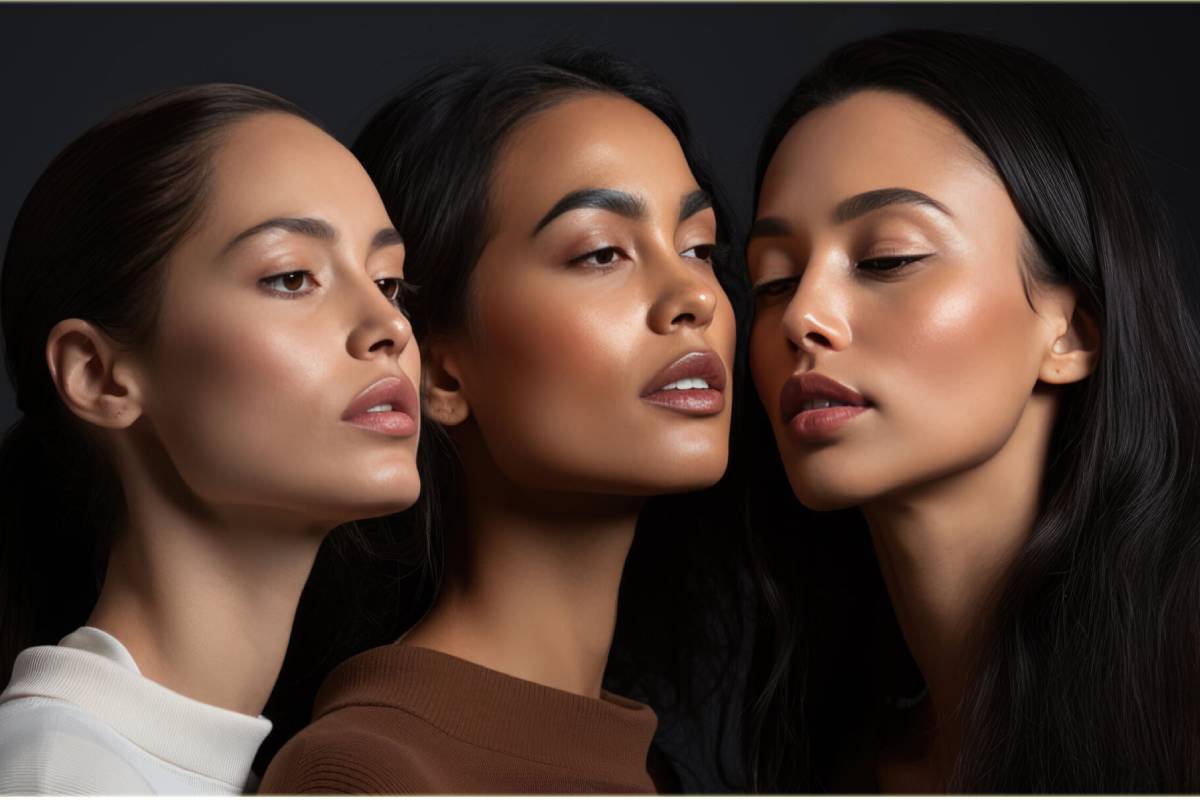
Achieving smooth, radiant skin is a common goal, but it often feels elusive amidst a sea of conflicting advice and quick-fix promises. The truth is, smoother skin doesn’t come from a single magic product or trick—it’s the result of consistent, mindful habits that support your skin’s natural biology. Whether you’re looking to refine texture, reduce breakouts, or restore a healthy glow, these fundamental, dermatologist-approved tips will help you build a routine that delivers real, lasting results.

1. Cleanse with Care: The Non-Negotiable First Step

Think of cleansing as the foundation of your entire skincare routine. It’s not just about removing makeup at night; it’s about clearing the daily accumulation of sweat, oil, pollutants, and microscopic debris that can clog pores and dull your complexion.

How to do it right:

  • Double Cleanse in the Evening: Start with an oil-based cleanser or a gentle micellar water to dissolve makeup and sunscreen. Follow with a water-based, pH-balanced cleanser to wash away any remaining impurities without stripping the skin. This two-step method ensures a truly clean canvas.

  • Morning Cleanse: A simple splash of lukewarm water or a gentle cleanse is often enough to refresh the skin without overdoing it.

  • Product Tip: Look for gentle, fragrance-free formulas. Harsh surfactants can compromise the skin’s protective barrier, leading to dryness and irritation. For many, a simple cream or gel cleanser works perfectly.

2. Hydrate from the Inside Out

Hydration is a two-way street. Your skin needs moisture both topically and systemically to stay plump, resilient, and smooth.

Topical Hydration: After cleansing, apply a hydrating toner, essence, or serum containing ingredients like hyaluronic acid, glycerin, or panthenol. These humectants draw water into the skin. Immediately follow with a moisturizer to seal that moisture in. Even oily skin needs a light, non-comedogenic moisturizer to maintain balance.
Internal Hydration: Drinking adequate water (aim for that classic 1.5L a day, more if you’re active) supports every function in your body, including skin cell turnover and toxin elimination. Combine this with a diet rich in water-filled foods like cucumbers, watermelon, and leafy greens.

3. Exfoliate Strategically for Refined Texture

Exfoliation is your key to removing the layer of dead skin cells that can make skin look rough, dull, and congested. However, more is not better.

Choose Your Method:

  • Chemical Exfoliants (AHAs/BHAs): Often gentler and more effective than physical scrubs. Alpha Hydroxy Acids (AHAs like glycolic or lactic acid) dissolve surface dead cells. Beta Hydroxy Acid (BHA, or salicylic acid) penetrates into pores to clear oil and debris. Start with a product used 1-2 times per week.

  • Physical Exfoliation: If you prefer a scrub, use a fine-grained formula with smooth particles (like jojoba beads) and apply with a very light hand, no more than once a week. DIY scrubs with sugar can have uneven, jagged edges that cause micro-tears.
    Golden Rule: Never exfoliate on irritated or active, inflamed acne. Always follow with sunscreen, as exfoliation can increase sun sensitivity.

4. Incorporate Targeted Treatments & Masks

Serums and masks allow you to address specific concerns beyond basic cleansing and moisturizing.

For Hydration & Radiance: A weekly hydrating mask with ingredients like aloe vera, honey, or ceramides can provide a deep moisture boost. Sheet masks are a great option for this.
For Purification: Clay masks, particularly green clay or kaolin clay, are excellent for absorbing excess oil and drawing out impurities from congested pores. Use them on your T-zone or oily areas 1-2 times a week.
Spot Treatment: For active blemishes, a targeted treatment with salicylic acid or benzoyl peroxide can help reduce their size and lifespan. Lemon is often recommended for brightening, but its high acidity can be irritating—patch test first and use sparingly.

5. Nourish Your Body for Glowing Skin

Your skin is a direct reflection of your internal health. A diet high in processed sugars and unhealthy fats can promote inflammation, leading to breakouts and accelerated aging.

Feed Your Skin:

  • Antioxidants: Combat free radical damage from sun and pollution with berries, dark leafy greens, nuts, and dark chocolate.

  • Healthy Fats: Avocados, olive oil, and fatty fish support the skin’s lipid barrier, keeping it supple.

  • Vitamins & Minerals: Vitamin C (citrus, bell peppers) aids collagen production, while Zinc (pumpkin seeds, legumes) can help regulate oil and healing.

6. Manage Stress and Move Your Body

Chronic stress elevates cortisol levels, which can increase oil production and break down collagen. It’s a direct path to breakouts and premature wrinkles.

Find Your Calm: Incorporate stress-reducing practices like meditation, deep breathing, or a digital detox. Regular physical activity, whether it’s a brisk walk, yoga, or Pilates, boosts circulation, delivering more oxygen and nutrients to your skin. Just remember to cleanse your face after sweating!

7. Prioritize Sleep: Your Skin’s Repair Time

Call it “beauty sleep” for a reason. During deep sleep, your body enters repair mode, increasing blood flow to the skin, boosting collagen production, and healing daily damage. Aim for 7-9 hours of quality sleep per night. Using a silk or satin pillowcase can also reduce friction, helping to prevent sleep wrinkles and hair breakage.

8. Protect Daily: The #1 Anti-Aging Step

Sun exposure is the leading cause of premature aging, texture changes, and hyperpigmentation. UV rays break down collagen and elastin, leading to wrinkles and loss of firmness.

Make Sunscreen Non-Negotiable: Apply a broad-spectrum SPF 30 or higher every single morning, rain or shine, even if you’re indoors (UVA rays penetrate windows). Reapply every two hours if you’re outdoors. This habit alone will do more for long-term smoothness than any other product.

Building Your Smoother Skin Routine: A Simple Plan

  • AM: Gentle Cleanse → Vitamin C Serum → Moisturizer → Sunscreen.

  • PM: Double Cleanse → Exfoliant (1-3x/week) → Hydrating Serum → Moisturizer/Night Cream.

  • Weekly: Treat with a hydrating or clay mask.

Final Thoughts

Smoother skin is a journey of consistency, not a destination reached overnight. By embracing these holistic tips—combining effective topical care with internal wellness—you create the ideal conditions for your skin to thrive. Be patient, listen to your skin’s needs, and celebrate the gradual, healthy glow that comes from truly caring for yourself.

For more on holistic self-care, you might find our guide on 8 Methods for Taking Care of a New Tattoo insightful, as the principles of gentle healing and protection are wonderfully similar to skincare.

Beauty Tips | Things to Know Before Going For Your Lash Growth Serum

0

Beauty Tips

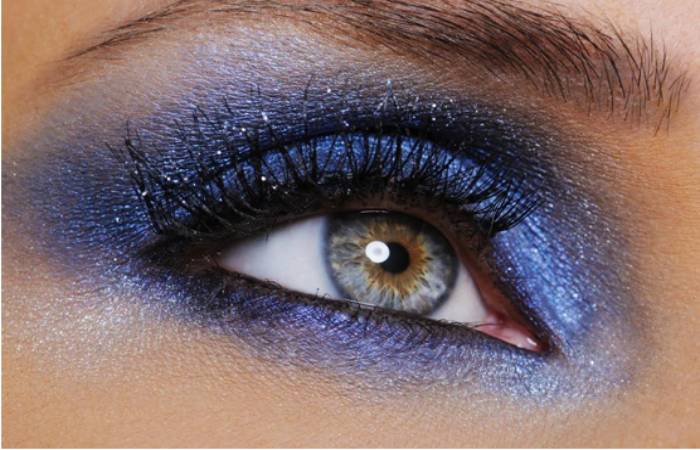
If you don’t have incredibly beautiful lengthy and volume lashes, you might be interested in learning more about eyelash growth serums. Are they effective? Is it safe to use them? We chatted with a panel-certified dermatologist and an eyelash industry specialist to get the inside scoop on the lash serum business.  Well, here’s an overview of eyelash growth serums. Read on to find out more!

How Does Lash Growth Serum Work?

When we insist on the necessity of healthy hair follicles in any region of the body, we’re talking about how to promote healthy hair development. Hair bulbs form strands of hair fibres in those small, tunnel-like features in the epidermis.

Those follicles on the scalp, brows, and lashes require a lot of oxygen and nutrients for proper hair development. This can be done through administering vitamins, minerals, and hair-promoting growth factors directly to the hair follicles with a brush or wand, lash and brow serums.

Active Ingredients in Lash Growth Serums

Conditioners and growth boosters are the two major types of chemicals included in most lash growth serums. Typical examples include:

  • Botanical Extracts:  Plant essences with hydrating and nourishing properties for the skin.
  • Vitamins: The most essential of all vitamins is vitamin B7 (also known as biotin), which aids in the conversion of food into energy and is essential for healthy skin, hair, and nails.
  • Ceramides: These lipid corpuscles aid in the moisture retention of the skin. They aid in the bonding of your hair to its strands.
  • Peptides: Collagen and other proteins require short-chain amino acids as basic components to maintain the skin and hair, and ensure they are healthy.

You may be curious if you can just apply your favoured brow serum on your lashes and vice versa. Brows and lashes are not the same things. They have varying lengths of growth cycles and differ in size. As a result, product compositions and applicators are often slightly varied.

  1. How Long till the Results of the Serums?

We’re all for quick satisfaction, but when it comes to lash development, tolerance is a discipline. Why do lash serums take such a long time to work? It has to do with the hair’s natural growth cycle. Whether you take a prescription or over-the-counter product, you should see beginning benefits in four weeks, with maximum results rising after three months of treatment.

What’s the grab? The advantages of the serum will disappear if you stop using it regularly. But don’t assume you can outsmart Mother Nature with a “more is more” mentality. The serums are designed to function following the natural development cycle of your lashes and brows, something you can’t accelerate.

The Safety of Lash Growth Serum

Every drug has its side effects. However, there are dangers and adverse effects, such as dry eyes, eyelid darkening, and, in rare cases, eye colour change, as with any medication. The misunderstanding was discovered if the medicine goes into the eye and is taken for lengthy periods.  when the product is administered appropriately, the chance of eye colour change is less than one percent.

In the OTC market, things are less apparent. Any product containing a prostaglandin analogue is expected to have the same hazards. Before adding new products to your skincare routine, you should carefully read the ingredients list and speak with your doctor. While sensitivity is uncommon, it is always a risk anytime a new beauty product is introduced, always take note.

Sensitivity or irritation is more often than not caused by goods not being utilized as intended. If irritation develops, she suggests using the lotion every other day or so for a week or two.

Can Use  Lash Growth Serum Along with Fake Lashes?

Let’s debunk a common misconception: If you have eyelash extensions, you may — and should — use a lash serum to help prevent natural lash loss and breaking. Make certain, however, that the lashes product you pick does not damage your eyelids. You can rely on Starseed lash packaging.

They have been specifically manufactory and tested for both durability and comfort. Their packaging protects your lashes from my damage before reaching you. Their proficiency in the market is due to a  pool of greatly talented and dedicated workforce.

How to Choose the Best Lash Growth Serum

So, exactly how do you choose between a prescription lash serum and an over-the-counter lash serum? It all boils down to your preferences, financial constraints, and biological makeup. Not all serums are made equal, which implies that not all serums contain the same ingredients. However, keep in mind that more costly does not always imply superiority!

The easiest approach to locate an OTC eyelash growth serum that suits you is to ask family and friends for suggestions and study well-known products with a track record.

It’s all about safety, efficacy, and education at the end of the day. As it said by most doctors, “When patients use a product, they should be aware of the risks and advantages”.  It should also explain how to utilize it properly!

The Bottom Line

Having gorgeous eyelashes is simply the best. What’s essential is to understand that every aspect of your body takes time. In the meantime, as you wait for your lash growth serum to work its magic. Light up your room and enjoy a nice show with an incredible screen. Good luck!

How To Choose Your Wedding Dress?

0

As we begin to see images of the next wedding dress collections, it will soon be time for next year brides to consider their wedding dress fittings. Searching for the perfect dress is one of the most exciting parts of your wedding preparations, some suggestions to help you choose the right wedding dress.

Make The First Spotting

Get the first idea. On the internet, blogs, Pinterest, look at reports and photos of collections of different brands, and ask yourself what you like and whatnot. Are you more attracted by flowing lines, a high waist, lace, volume, a low neck line in the back…? Create a Pinterest board dedicated to finding your dress (it can be a secret if you don’t want every person to have access to it) and pin what you like, let all those ideas rest, and come back to it with a relaxed head. Days later to remove what ultimately pleases you less than the rest. These pics will give you a better suggestion of ​​what you like about wedding dresses.

A Dress According To The Style Of Your Wedding

A Dress According To The Style Of Your Wedding

Tailor your dress to the style of your wedding. How will your day be? You have probably already chosen the place, the colors of your wedding. These elements will influence the choice of your dress. Fluid and light dress will be more suitable for a wedding on the beach or in the country than a more ornate, sophisticated, or more voluminous skirt that will be better suited for a wedding in a beautiful Parisian hotel.

Set Your Budget

Before making an appointment and starting your fittings, clearly define your budget. Whether you are paying for your dress or a gift from your parents, set the maximum account for this purchase. To avoid any misunderstanding, but also any disappointment. It would be a shame to fall for a dress well beyond your means and to have to choose out of spite a dress that you would like less. There are beautiful dresses for all budgets, from a few hundred to several thousand euros, you are sure to find the dress made for you.

Do Not Delay Too Much

If it is pointless to do it too far ahead of time, at the risk of changing your mind about her dress along the way, be careful not to do it too late on the contrary. Allow around 7 to 9 months, for example, for a tailor-made dress to be made by a designer. Be careful; some houses are stormed for appointments and sometimes have several weeks before they can welcome you. So, for summer weddings, start your fittings in early fall.

Top Fittings

Look your best on the day of the fitting. Come with your hair and make-up lightly (to avoid staining the dresses when passing them). Your wedding dress is a unique outfit. If you try on your dress with a small mine, and the hair is sad, the result will immediately be less exceptional. On the underwear side, plan for nude, seamless pieces and a strapless bra; again, this will help you feel better in your dress, and bring a pair of shoes with a heel height of almost similar to that planned D-Day.

Keep An Open Mind

You have pinned the images of the dresses you liked, defined a favorite shape, an ideal line; it’s perfect! But don’t be closed to other styles of dresses that could look amazing on you. You may have fallen in love with the paper for bohemian dresses, low waists with lace, while ultimately, the empire waist and tulle will suit your figure better.

Surround Yourself With The Right People

Be accompanied by your closest friends. Choose 1 or 2 people you trust, who know you, and who understand your desires. Fitting in the company of four girlfriends, each with different tastes and opinions, may not help. So plan this moment in a small group, with people who can be honest, patient, and enthusiastic. Please note, with the restrictions and security measures linked to Covid, it is sometimes impossible to come accompanied, or only with one person. Ask when making your appointment.

Some houses refuse to have photos taken during fittings. You can always try sneaking pictures, but it’s true that sneaky pictures, often with cell phones, won’t be the most flattering and won’t do you justice. It’s not uncommon to see a bride-to-be choosing her dress, going home, looking at the photos, and having doubts, changing her mind. All because of a photo was taken on the fly, askew, through the curtain of a dimly lit cabin. If you are not allowed to take a picture, take stock of the models tried at the end of your fitting by annotating your catalog and by detailing the points that you like or not. You can review all of this later at a relaxed pace.

Also read: Painful Joints: Tips For Treating Them Better

Benefits of Having a Pet At Home

Children who grow up with a dog develop greater responsibility and sensitivity to things is a truth that few dare to dispute. The arrival of a pet in a family generates new ties and emotional ties between all its members, especially the smallest of the house, for the rest of their lives. Your job of course is to love, nurther and care for the pet with food and grooming, so choosing an optimal pet store is important.

Even though those in charge of education and the transmission of the central values ​​are parents’ task, caring for a pet teaches children to be clear about their obligations, be more generous, and internalize care and respect to be taken by animals.

Now, deciding to have an animal should be considered and agreed with your loved ones since it requires a great capacity for dedication and time to take care of it. Some added complications such as with whom to leave it on vacation, take it regularly to a veterinarian, take it out and feed him and be aware that the house will get dirtier with his presence.

Therefore, if your children ever ask you to fulfill their dream of having a dog, a cat, or any other pet and you can’t decide, here is a list of benefits of having a pet at home that will make you clear:

Also read: To Better Manage Stress And Anxiety During The Pandemic

Helps You to Be Happier

That your child dedicates part of his leisure time to play with his pet improves his mood. And makes him feel happier. It is due to the secretion of oxytocin, the love hormone that prevents depression or stress.

Increase Self-Esteem and Self-Confidence

Families that live with a dog tend to have a more social and outgoing character. It has even been proven that they are a crucial element in psychological therapy for children. The support of an animal is always unconditional. Also, they make people more empathetic and friendly.

They Improve Defenses and Detect Diseases

Being in direct contact with pets causes children to develop a more robust immune system. It also reduces the risk of developing allergies or respiratory problems. The animal’s connection with the outside enhances the production of antibodies against possible viruses.

Thanks to their great olfactory capacity. Dogs can discover if a person has a malignant tumor, have migraines. Or an allergy episode since they recognize these diseases’ smell.

They Help Keep You in Shape

The energy that a dog has, especially those of medium and large size, directly translates into an improvement in their owners’ physical condition. Walking them, taking them for a run, playing with them, or even holding them, can be the best gym for our body.

They Promote Relationships between Siblings

The fact that two or more siblings share a pet from a young age, with its responsibility and care, improves their relationship and strengthens the love bond between them. Only children make a pet the brother they do not have. Reducing their loneliness if they had one and helping them learn to share everything with someone.

Also read: 7 Tips For Staying In Shape During Winter

Summer Hairstyles 2024: 25+ Styles for Every Hair Type & Length

0

Summer is a season of sunshine and fun, but it can also be a war against frizz, sweat, and the desperate desire to just put your hair up. This year, move beyond the basic ponytail. Our ultimate guide features 25+ innovative, practical, and stunning summer hairstyles meticulously curated for every hair type, length, and texture. Whether you’re looking to keep your hair off your neck, protect your curls, or just find a style that survives a humid day, we have a tutorial for you. Get ready to embrace the heat with flair!

Part 1: Short Hair Styles – Chic, Cool & Effortless

Short hair is a summer savior, but that doesn’t mean you’re stuck with one look. Add dimension and playfulness with these five styles.

1. The Textured Pixie with Beach Waves

  • Great For: Adding volume and a relaxed, beachy vibe to classic short cuts.

  • Step-by-Step Tutorial:

    1. Start with dry hair. Apply a sea salt spray or texturizing mousse to roots and ends.

    2. Using a flat iron or a small-barrel curling wand, take random 1-inch sections.

    3. Twist and curl away from the face, holding for just a few seconds. The goal is piecey texture, not uniform curls.

    4. Let the hair cool, then ruffle your fingers through the roots for maximum volume.

    5. Lock in place with a light-hold, matte hair wax by pinching and separating the ends.

  • Pro Tip: Focus waves on the top and crown layers to avoid a “helmet” look.

2. The Slicked-Back Wet Look

  • Great For: Humid days, workouts, or a bold, glamorous statement.

  • Step-by-Step Tutorial:

    1. Start with damp or dry hair. Apply a strong-hold gel or a dedicated slicking pomade evenly from roots to tips.

    2. Use a fine-tooth comb to comb hair straight back from the hairline, smoothing every section.

    3. For a super-sleek finish, run a tiny bit of gel along your hairline to tame baby hairs.

    4. Allow to air dry for a true “wet” look, or use a diffuser on low heat to set without frizz.

  • Pro Tip: Add a middle part before slicking for a modern twist.

3. The Accessorized Side Sweep

  • Great For: Instant polish with minimal effort.

  • Step-by-Step Tutorial:

    1. Create a deep side part. Using a boar bristle brush, sweep hair to the heavier side.

    2. Secure just above the ear with two decorative mini claw clips or a bold, geometric bobby pin.

    3. Gently pull out a few face-framing pieces for softness.

    4. Spritz with a flexible hold hairspray.

  • Pro Tip: Choose accessories in summer shades like tortoiseshell, gold, or bright ceramics.

4. The Half-Up Textured Pouf

  • Great For: Adding height and keeping hair out of your face while showing off your cut.

  • Step-by-Step Tutorial:

    1. Tease the crown section lightly at the roots for base volume.

    2. Gather a small section of hair from the temples and crown, leaving the back and sides down.

    3. Twist this section once at the back of your crown, then pull it upward to create a small pouf.

    4. Secure with bobby pins criss-crossed at the base of the twist.

    5. Gently pull at the sides of the pouf to enlarge and soften.

  • Pro Tip: Use a dry shampoo at the roots before styling for extra grip and volume.

5. The Tousled Bob with Headscarf

  • Great For: A retro, vacation-ready look that protects hair from sun and wind.

  • Step-by-Step Tutorial:

    1. Apply a texturizing spray to air-dried or blown-out bob.

    2. Fold a large, square silk scarf into a triangle, then into a long band.

    3. Place the center of the band at the nape of your neck, tie the ends once on top of your head.

    4. Tuck the ends under or let them flow. Pull out a few pieces around your face.

  • Pro Tip: Use the scarf to cover hair completely for a turban look on bad hair days.

[VIDEO LINK PLACEHOLDER: “5 Minute Short Hair Summer Styles” – Embed a short tutorial video here]

Part 2: Medium Hair Styles – The Versatility Champions

Shoulder-length hair is the perfect canvas for endless creativity. Here are five go-to styles.

1. The Modern Bubble Ponytail

  • Great For: A playful, eye-catching look that’s surprisingly simple.

  • Step-by-Step Tutorial:

    1. Pull hair into a high, tight ponytail and secure with a strong elastic.

    2. Space 3-4 additional elastics down the length of the ponytail, each about 2-3 inches apart.

    3. Gently pull and puff out the hair between each elastic to create “bubbles.”

    4. For extra drama, gently tug each section sideways to make it fuller.

  • Pro Tip: Wrap a small section of hair around the base elastic to conceal it.

2. The Braided Crown (Dutch Braid Style)

  • Great For: Garden parties, festivals, or keeping hair completely off your face elegantly.

  • Step-by-Step Tutorial:

    1. Part hair down the middle. On one side, at the hairline, start a Dutch braid (a 3-strand braid where you add hair under the middle section).

    2. Braid along the hairline, adding hair from the front and top, continuing over the crown to the other side.

    3. When you run out of hair to add, finish with a regular 3-strand braid.

    4. Repeat on the other side, starting from the opposite temple.

    5. Wrap both braids around the crown, tucking the ends under and securing with bobby pins.

  • Pro Tip: Keep the braids loose and gently pull on the edges for a softer, bohemian look.

3. The Textured Low Bun with Face Framers

  • Great For: A chic, cool, and professional look that works from the office to dinner.

  • Step-by-Step Tutorial:

    1. Apply a texturizing spray to dry hair. Pull hair into a low ponytail at the nape of your neck, but leave out the front sections near your temples.

    2. Twist the ponytail and wrap it into a loose bun, securing with pins (not an elastic).

    3. Take the reserved face-framing pieces, twist them slightly, and pin them loosely at the back of the bun, letting some pieces fall free.

    4. Pull strands loose from the bun for a messier, more relaxed finish.

  • Pro Tip: Curl the face-framing pieces with a wand for added romance.

4. The Half-Up Twisted Bow

  • Great For: A cute, feminine style that looks intricate but takes seconds.

  • Step-by-Step Tutorial:

    1. Take two small front sections of hair, one from each temple.

    2. Tie them together in a simple knot at the back of your head, as if starting a ponytail, but leave a loop.

    3. Pull the ends through the loop only halfway to create two loops (the “bow”) and two tails.

    4. Split the tails and wrap them around the center of the bow, securing with a bobby pin underneath.

    5. Adjust the loops and fluff for size.

  • Pro Tip: Use a clear elastic for step 2 to make it invisible.

5. The Heatless Headband Waves

  • Great For: Protecting hair from heat damage while achieving beautiful, uniform waves.

  • Step-by-Step Tutorial:

    1. Start with damp, detangled hair. Apply a wave-enhancing mousse.

    2. Take a flexible fabric headband and place it around your head like a crown.

    3. Take 1-2 inch sections of hair and alternately weave them over and under the headband, working your way around your head.

    4. Sleep on it or let it air dry completely. In the morning, gently unweave and finger-comb.

  • Pro Tip: For tighter waves, use smaller sections. For looser waves, use larger sections.

Part 3: Long Hair Styles – Elegant & Up Off Your Neck

Long hair in summer demands updos. These five styles are beautiful, secure, and far from boring.

1. The Effortless Messy French Twist

  • Great For: An instant classic that looks sophisticated and cool.

  • Step-by-Step Tutorial:

    1. Gather hair at the nape of your neck as if for a low ponytail.

    2. Twist the length of the hair upwards toward the crown.

    3. When you reach the head, fold the twisted length underneath itself, tucking the ends in.

    4. Secure liberally with U-pins or criss-crossed bobby pins.

    5. The key: Pull out wispy strands at the neck and temples. Don’t make it perfect.

  • Pro Tip: Tease the hair at the crown slightly before twisting for extra volume.

2. The Boho Fishtail Side Braid

  • Great For: Beach days, outdoor weddings, or a romantic look.

  • Step-by-Step Tutorial:

    1. Start with slightly textured hair (use dry shampoo or salt spray).

    2. Gather all hair to one side. Split into two large sections.

    3. Take a small piece from the outside of Section A, cross it over, and add it to Section B.

    4. Take a small piece from the outside of Section B, cross it over, and add it to Section A.

    5. Repeat down the length. Secure with a clear elastic. Gently pull on the edges of the braid to widen and soften it.

  • Pro Tip: For a fuller fishtail, lightly backcomb each section before adding it.

3. The Knotted Updo (No Tools Needed)

  • Great For: A truly heat-free, elegant updo that requires no elastics or pins (though pins help secure).

  • Step-by-Step Tutorial:

    1. Part hair down the middle. Take the front right section and the front left section.

    2. Tie them in a simple overhand knot (like the first step of tying your shoes).

    3. Pick up a new section of hair from the right side, combine it with the right tail, and do the same on the left.

    4. Tie another knot. Continue this process, adding hair with each knot, working down the back of your head.

    5. Once all hair is incorporated, twist the remaining tail and tuck/pin it under.

  • Pro Tip: Spritz each section with a light-hold spray before knotting for better grip.

4. The High, Voluminous Pony with Hair Tied Around

  • Great For: Making a simple ponytail look runway-ready.

  • Step-by-Step Tutorial:

    1. Tease hair at the crown. Gather into a very high ponytail (at the crown) and secure with a strong elastic.

    2. Take a 1-inch section of hair from underneath the ponytail, wrap it around the base to hide the elastic, and secure with a bobby pin.

    3. Use a texturizing spray on the tail, then gently backcomb it for mega volume.

    4. Curl random sections of the tail with a large-barrel wand for a full, bouncy effect.

  • Pro Tip: For the “model-off-duty” look, keep the front and top smooth, with all volume in the tail.

5. The Double Braided Low Bun

  • Great For: Ultimate security for active days, while looking intricately styled.

  • Step-by-Step Tutorial:

    1. Part hair down the middle. Braid each side into a simple three-strand braid, starting from the temples and incorporating all hair. Secure ends with clear elastics.

    2. Pull both braids to the nape of your neck.

    3. Twist them together, then coil the resulting rope into a bun.

    4. Secure the bun with U-pins.

  • Pro Tip: Pancake (pull on the sides of) each braid before twisting for a thicker, more dramatic bun.

Part 4: Curly & Natural Hair Styles – Celebrate Your Texture

Protect your curls from humidity and sun while showcasing their beauty.

1. The Pineapple Puff with Scarf Accent

  • Great For: Protecting curls overnight and creating a cute daytime style.

  • Step-by-Step Tutorial:

    1. Gently gather all hair at the very top of your head (like a pineapple) using a silky scrunchie (not elastic).

    2. Leave the front and sides out to form a halo of curls.

    3. Take a colorful scarf, tie it around the base of the puff, and let the ends flow.

    4. Fluff the puff and shape the front curls with your fingers and a bit of curl cream.

  • Pro Tip: Do this on 2nd or 3rd-day hair for better volume and hold.

2. Defined Twist-Out with Side Part

  • Great For: Stretching your curl pattern for a defined, voluminous, wash-and-go alternative.

  • Step-by-Step Tutorial:

    1. On clean, damp hair, apply a leave-in conditioner and a curl defining cream in sections.

    2. Two-strand twist each section from root to tip. The size of the twist determines the size of the curl (smaller twists = tighter curls).

    3. Allow to air dry completely or sit under a hooded dryer.

    4. Once 100% dry, carefully unravel each twist. Do not comb. Separate the coils with your fingers for volume.

    5. Create a deep side part for drama.

  • Pro Tip: Sleep with twists in a satin bonnet for a perfectly set twist-out in the morning.

3. Flat Twists into a High Bun

  • Great For: A stunning, protective style that keeps hair off your neck.

  • Step-by-Step Tutorial:

    1. Starting at the hairline, create flat twists (like cornrows but with two sections instead of three) going straight back. Do 3-4 on each side, meeting at the crown.

    2. Gather all the untwisted hair (and the ends of the flat twists) into a high ponytail.

    3. Create a large, textured bun from the ponytail, securing with pins.

    4. Apply edge control to the flat-twisted sections for a sleek finish.

  • Pro Tip: Adorn the bun with decorative hairpins or a cuff.

4. The Wash-and-Go with a Deep Side Sweep

  • Great For: Letting your natural pattern shine with minimal manipulation.

  • Step-by-Step Tutorial:

    1. In the shower on soaking wet hair, apply your favorite curl activator gel using the “praying hands” method, then scrunch.

    2. Do not touch as it air dries or diffuses to avoid frizz.

    3. Once a cast has formed and hair is dry, “scrunch out the crunch” with a drop of lightweight oil in your palms.

    4. Using your fingers, sweep all your curls to one side for an asymmetrical, voluminous look.

  • Pro Tip: Use a diffuser attachment on your blow dryer with low heat/high speed to set the style faster without disturbing the curl clumps.

5. Bantu Knots (Wear as Style or for a Knot-Out)

  • Great For: A beautiful, geometric style itself or as a precursor to incredibly defined waves.

  • Step-by-Step Tutorial (To Wear):

    1. Part hair into small squares. Apply a styling gel to each section.

    2. Twist the section from root to tip, then wrap the twist around its base to form a knot.

    3. Secure the end with a small bobby pin or tuck under.

    4. Repeat all over the head for a stunning, uniform look.

  • For a Knot-Out: Sleep in the Bantu knots. Unravel in the morning for tight, springy, spiral waves. Gently separate for volume.

Part 5: Heat-Free & Humidity-Proof Heroes

The Key Principles: Braids, twists, texture, and the right products are your best friends.

  • Braids & Twists: They tame hair by distributing it evenly, preventing the puffiness caused by humidity absorbing into individual strands.

  • Texture is Your Friend: Slightly “dirty” hair (with dry shampoo) or pre-texturized hair holds styles better and resists frizz more than sleek, clean hair.

  • The Right Products: Look for anti-humectant properties and humidity-resistant claims.

Part 6: Summer Hair Survival Kit: Product Recommendations

  • For Hold & Frizz Control: Living Proof No Frizz Humidity Shield; Oribe Anti-Humidity Spray; John Frieda Frizz Ease Secret Weapon Finishing Cream.

  • For Texture & Grip: Bumble and Bumble Surf Spray; Ouai Texturizing Hair Spray; Batiste Dry Shampoo (any scent).

  • For Curls & Definition: Miss Jessie’s Pillow Soft Curls; Camille Rose Curl Maker; SheaMoisture Coconut & Hibiscus Curl Enhancing Smoothie.

  • For Slicking & Sleek Looks: Schwarzkopf OSiS+ Session Label Finishing Spray (strong hold); Got2b Glued Blasting Freeze Spray.

  • Essential Tools: Silky Scrunchies, U-Pins, Clear Elastics, Fine-Tooth Comb, Decorative Clips, Wide Fabric Headband, Diffuser Attachment.

Conclusion: Your Summer of Great Hair Days Awaits

Summer doesn’t have to mean sacrificing style for comfort. With this arsenal of 25+ hairstyles for every length and texture, complete with step-by-step guides, you’re equipped to face the heat head-on. The secret lies in preparation (the right products), technique (braiding, twisting), and a playful attitude. So, pick a new style to try each week, embrace the effortless vibe of the season, and let your hair be a part of your summer fun.

5 Exciting Careers in the Beauty and Wellness Industry

0

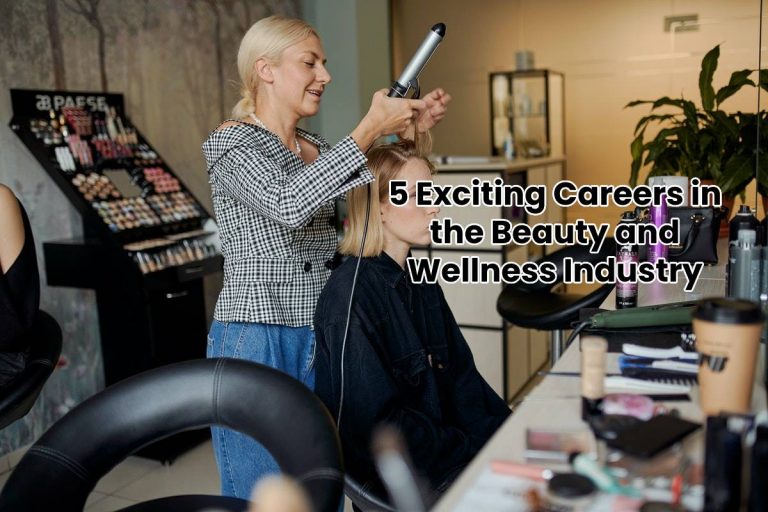
According to Forbes, the beauty industry’s market value crossed $500 billion in the U.S. alone in 2019. The industry had a challenge due to the COVID-19 pandemic. Overall, beauty and wellness retail sales plummeted in 2020, declining by 15 percent and affecting revenues globally. However, a recent Mckinsey report reveals that beauty and wellness brands are bouncing back after the pandemic, signaling an increase in the demand for beauty and wellness professionals. Therefore, you’re in for a good ride if you have aspirations to venture into the industry. Here are five exciting careers in the beauty and wellness industry.

1. Nail Technician

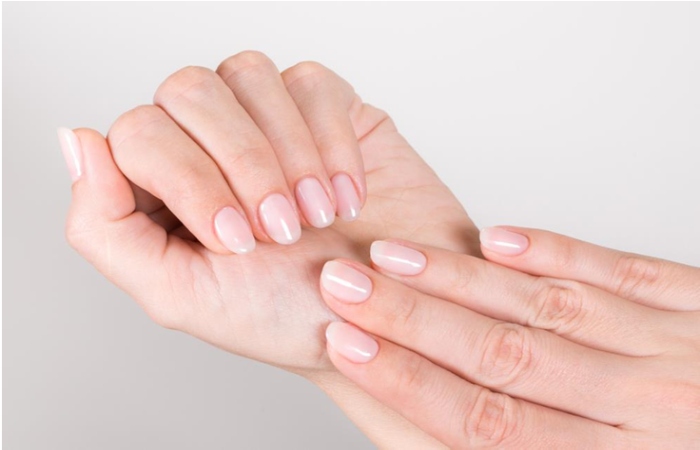
Nail technicians are also known as manicurists or pedicurists. They provide various nail treatments working from a salon, spa, or nail studio. Some nail technicians work privately, serving clients from their homes. The demand for experienced nail technicians has spiked in recent years, reflecting the increasing popularity of nail art content on social media.

This profession combines beauty and wellness in various ways. Apart from treating natural nails, nail technicians can add acrylic and gel coverings. Other services demanded from nail technicians include hand and foot moisturizing, dead skin removal, foot rubs, and massage. They use various accessories, from tiny jewels for nail decoration to nail polish for coloring.

2. Nurse

Nursing is a notoriously demanding but rewarding job. Nurses work closely with physicians to support patient recovery and health. Their tasks are roughly divided into support, control, maintenance, and documentation. They also perform minor medical procedures, such as giving injections and IVs. Nurses are often the first point of contact between patients and doctors, relatives and doctors, or relatives and patients.

They mediate and advise before, between, and after treatments. As you can see, their responsibility is huge, which means the right skills are needed to carry out such tasks. Obtaining a degree in nursing is vital. This online nursing from the University of Indianapolis is your best bet if you fancy a career working as a nurse in assisted living communities and other health facilities.

3. Cosmetologist

Cosmetology is an age-old profession, existing as far back as pre-civilization times. But studies show that the discipline became professional in 1930 when many institutions began mainstreaming it into their academic schedules. Today, cosmetologists require rigorous hours of academic work to practice the profession.

Beyond the certificates, they may need licenses from approved institutions due to the health-critical nature of the job. It’s tempting to confuse cosmetologists for hair stylists or nail technicians. But the field is broad, encompassing various beauty and wellness areas. Cosmetologists study the art and science of transforming different body parts with little to no side effects.

They can work directly with clients, perform treatments, or work as consultants for beauty brands because of their in-depth knowledge of beauty and wellness.

4. Makeup Artist

Becoming a makeup artist can be a great way to perform beauty routines without going through the rigor of cosmetology training. You can take up a cosmetology course and specialize in makeup. Most makeup artists are self-taught, learning from Youtube videos and self-learning means. Others take apprenticeship courses with practicing makeup artists, learning from their experiences.

5. Beauty and Wellness Influencer

Influencer marketing is a growing phenomenon, working magic for many beauty and wellness brands. Today’s consumers lean toward influencer-generated content more than brand posts. Studies show that companies earn over six dollars in ROI for every dollar spent on influencers. This has spiked the demand for influencers, with companies willing to commit nearly 40 percent of their marketing budgets to influencers, as revealed by a recent survey. A beauty influencer can be an exciting career if you’re a fan of beauty and wellness trends and love creating content online.

All in all, entering the beauty and wellness industry can be excitingly challenging. Connect with mentors to help you choose the best career for you.

Tips for Creating a Post-Workout Routine

0

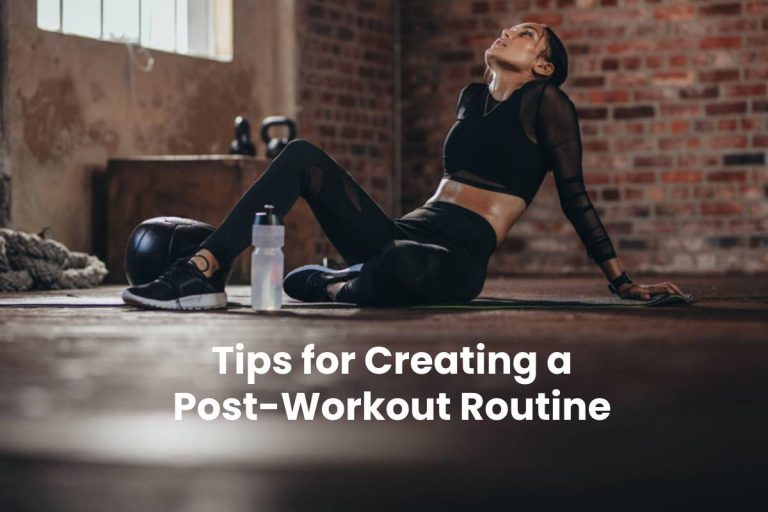
You just finished an intense workout and you’re feeling great. You’re pumped up, full of energy, and ready to take on the world. But what do you do now? It’s essential to have a post-workout routine in place so that you can make the most of your workout and avoid any potential injuries. From using top-quality electrolytes for athletes to mobility work for active recovery, here are some tips for creating a post-workout routine that will help you stay healthy and fit.

Tip 1: Drink Plenty of Fluids and Replenish Electrolytes

After a strenuous workout, it’s important to replenish your body’s fluids. This means more than just water. You must also replenish electrolytes like sodium and potassium. Electrolytes are important for your post-workout routine because they are essential to muscle function. In addition, when you sweat, you lose electrolytes through your skin, so it’s important to replenish them after a workout.

An electrolyte powder is a great option that can easily be mixed with water anywhere you are, making it a good choice for the gym, running trail, or rock wall. To make things even easier, you can always keep some electrolyte pills on hand in your gym bag, body bag, or purse and take them after your workout. They deliver the same benefits without the need for mixing or measuring.

Tip 2: Take a Shower

After you’re done working out, taking a shower is important for your skin and muscles. When you work out, you sweat, which can lead to skin irritation. A shower will help cleanse your skin and remove any bacteria that could cause breakouts or other skin problems. Be sure to use a high-quality body wash regularly and add an exfoliating body scrub once or twice a week to remove dead skin cells.

In addition to cleansing your skin, showers help relax your muscles and relieve any tension or soreness. The warm water can help increase blood flow to your muscles, which aids in the repair process. Plus, the massage-like action of showering can loosen up any knots or kinks in your muscles. So go ahead and take that post-workout shower. Your skin and muscles will thank you for it.

Take a Shower

Tip 3: Eat a Healthy Snack or Meal

Within 30 minutes of finishing your workout, it’s important to eat. This will help your body start to recover and rebuild muscle. Alternatively, you can also plan to eat a full meal within two hours of your workout. Just make sure to focus on healthy options that are high in protein and complex carbohydrates. Some great examples of easy post-workout snacks and meals include:

  • Hard-boiled eggs with whole-grain toast
  • Greek yogurt with berries and granola
  • A chicken or turkey wrap with vegetables
  • A green smoothie with spinach, kale, fruit, vegetarian/vegan protein powder and almond milk
  • A bowl of oatmeal with banana slices and almond butter

You should avoid sugary snacks like candy or cookies — even if they’re “energy” bars. They might give you a quick energy boost, but it won’t last long, and you’ll just crash soon after.

Tip 4: Stretches and Movement for Flexibility and Mobility

This can be done immediately after your workout or after you’ve showered and cooled down. Stretching helps your muscles recover from the workout and can prevent injuries in the future. Focus on full-body stretches and hold each one for at least 30 seconds. If you’re unsure how to stretch correctly, there are many instructional videos and articles online — or you can ask a certified personal trainer at your gym.

Tip 5: Use Alternative Methods for Recovery

You can use many different unconventional and alternative therapy methods to help your body recover from a workout. These are especially useful if you’re dealing with a previous injury, pinched nerves, or anything else keeping you from performing at your best.

  • Hydrotherapy – This is a type of therapy that uses water to help relieve pain and promote healing. It works by using the temperature of the water to help reduce inflammation and swelling.
  • Massage – A good massage from a qualified masseuse can help improve circulation, range of motion, and flexibility. It can also help to relieve pain by breaking up knots in your muscles.
  • Acupuncture – This ancient Chinese practice involves inserting thin needles into specific points on the body. It’s said to help with everything from pain relief to improving energy levels.

Use Alternative Methods for Recovery

Tip 6: Get Enough Sleep

Sleep should be a priority whether you work out in the morning, in the evening after work, or any other time of the day when you can fit it in. Getting enough sleep is crucial for anyone who wants to maintain a healthy lifestyle. Still, it’s vital for active people. When you exercise, your body goes through a lot of stress and needs time to recover. A good night’s sleep gives your body the chance to do that. Most people aged 18 to 64 need between seven and nine hours of sleep per night, so aim for that if you can.

Final Tip: Customize Your Post-Workout Routine

Every active person and athlete is different. You train differently, you bring your own unique set of skills and abilities to your sport, and you recover differently. That’s why it’s essential to tailor your post-workout routine to your needs.

Not every tip in this article will work for everyone, and that’s okay. The important thing is to find what works for you and stick with it. Experiment with different things and see how your body responds. And if you’re ever unsure about something, always ask a certified professional before trying it out. With a little trial and error, you’ll eventually find the perfect post-workout routine for you.

What Causes Skin Lumps & How To Remove Them?

Skin Lumps

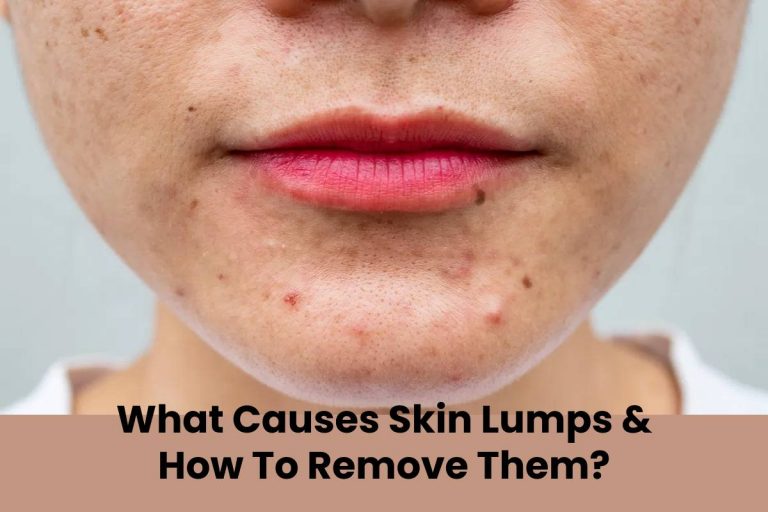
Skin bumps have become a common issue these days. Although they are harmless, they can result in skin disorder, allergic reaction, infection, and skin cancer. If you are suffering from a skin bump, you must be aware of the related causes and ways to rectify the same. In most cases, different skin bumps look the same but have differing reasons. Most of these do not require any medication. However, it would help if you got in touch with your doctor if the bump causes discomfort. The concerned individual will help you out with the recommended prescription that will help in relieving the problem soon.

Causes of skin bump

One of the typical causes of skin bumps is acne. You may find them on the shoulders, face, upper back, and chest. They need to break out if the skin has whitehead, blackhead, painful cyst, and pimples. It will leave behind scars and skin darkening if left untreated. Another reason for skin bump is cold sore. A painful, red blister that appears in the lips and near the mouth is nothing but a cold sore. Following this, calluses and corns are a significant cause of skin bumps. These are painful and have a horn-like appearance which leads to hardened tissue. You will locate these on the side and top of your toes and feet soles. It happens because of pressure and friction. Lastly, there are skin tags that lead to skin bumps. These tags are harmless and do not cause any irritation. However, uneven skin growth often leads to skin bumps. In most cases, they are of the same color and result because of friction. You will find this on breasts, armpits, neck eyelids, and stomach.

Treatments that can cure raised skin bump

The available treatment for the raised skin bump has a lot to do with the underlying cause. The most common cause of skin bumps is skin tags. Although they look harmless, they need rectification as fast as possible. If the skin bump is bothering you, you have to get in touch with your doctor as early as possible. The dermatologist will help in removing the skin tag or the wart by different techniques. A surgical procedure is also available for removing skin bumps like lipomas and cysts. The lipoma removal surgery is effective in this case.

In some cases, your physician may specify your medication. It will help in eliminating the skin bump. For treating bacterial infection, you require antibiotics. For viral infection, you may have to go for over-the-counter medicine and stick to home treatment. Hence, the problem is correctable, provided you take immediate steps.

The problem requires long-term treatment. In case the infection is the cause of the issue, medical attention will be adequate. It will help in easing the symptoms and improve the overall outlook. However, you will have to make frequent follow-ups necessary to ensure you get good skin back. You can consult a specialist to know the reasons behind skin issues to correct it beforehand.