Home Blog Page 15

Whiplash: Causes, Symptoms, and Treatments

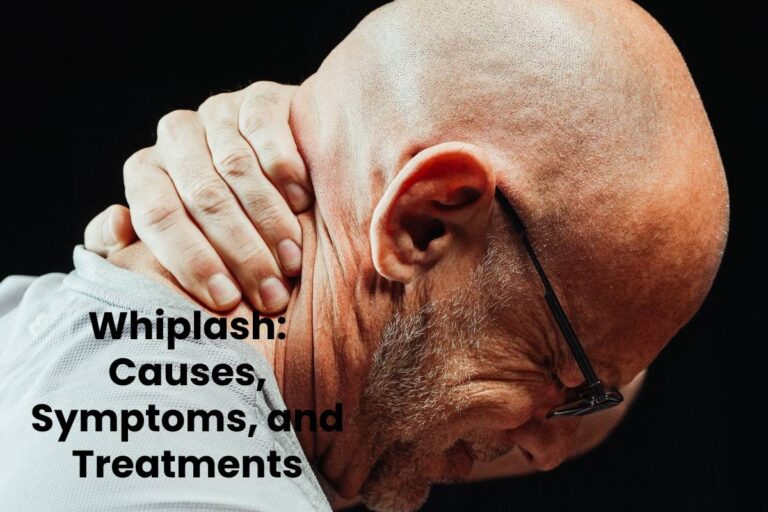
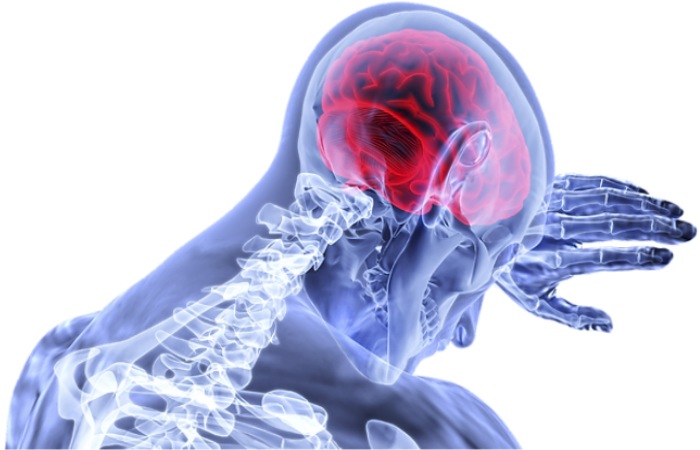
Sudden movements and blows to the neck and areas surrounding it can cause whiplashes. Whiplash can cause you severe pain and discomfort if not diagnosed and treated in time. You should be careful about what you know about whiplash to ensure the best chiropractic care and other such treatments for yourself. To help you with this, we have mentioned different causes, symptoms, and treatments of whiplash below.

What is Whiplash?

Whiplash is an injury to the neck. It is generally caused by a forceful or rapid movement of the neck or the surrounding area. There can be various causes like road accidents, sports incidents, physical abuse, or other types of traumas. However, there are various types of treatments that one can use. Chiropractic treatment is one of the most ideal treatments for whiplash. Whiplashes are another name for severe sprain or strain to the neck or surrounding area.

What are the Symptoms of Whiplash?

There are various symptoms of whiplash. There can be common symptoms as well as those that may or may not be directly related to it. However, if you are facing serious sprains, before visiting chiropractic care, you should know your symptoms properly. Knowing ones’ symptoms is necessary as it will lead to a proper diagnosis. Some of the many symptoms are mentioned below.

  • Pain and stiffness in the neck.
  • Neck movement causes more pain in the neck.
  • There is a lack of motion range in the neck or area surrounding it.
  • Headaches at the base of the skull.
  • Numbness
  • There is tenderness or pain in the upper back, shoulders, or arms.
  • The arm has certain tingles or numbness.
  • Fatigue

These are those symptoms that are general or common in nature. However, different people have different body types. Thus, there can be some other symptoms also. These symptoms are not that common. However, these symptoms cannot be ignored and one should visit a professional immediately.

  • Memory problems
  • Difficulty in concentration
  • Sleep disturbances
  • Blurred vision
  • Ringing in the ears
  • Depression
  • Irritation

What are the Causes of Whiplash?

Whiplashes commonly occur due to the rapid movement of the neck or a sudden blow caused by it. This can cause the muscles in the neck and surrounding area to strain or sprain severely. The ligaments and the muscles around the neck tear and stretch due to the sudden movement. This causes whiplash. There are various ways through which one can experience a whiplash. Before taking chiropractic treatment, you should be aware of the proper cause of your whiplash.

  • One has suffered through a sudden blow to the neck or surrounding area during the time of a car accident.
  • You have been punched or shaken violently during physical abuse.
  • You play sports like football, boxing, and karate on a daily basis. This makes you more prone to whiplashes as they include sudden movements and blows.
  • You have had a negative experience while riding a horse.
  • Accidents during cycling have occurred.
  • You have had or recently been through an accident that caused your neck to move violently.
  • A blow to your head by a heavy object.

These are just some of the many causes. You have to be extremely careful while performing activities that can lead to accidents or falls. If you are experiencing even a small discomfort and it is not going away, contact your doctor. The symptoms of the whiplash might not occur for a few days. However, if you have suffered these causes, you should immediately seek help.

What are the Complications Involved?

There are many people who get relieved from whiplash in a few days. These are not serious whiplashes. They can be cured easily through home remedies. However, many people continue to experience pain even when a significant amount of time has passed since the injury. Each person is different. So, it is hard to judge how a person from whiplash can recover.

You may be more likely to experience chronic pain if the starting symptoms have been severe or started occurring rapidly. These symptoms can include the following:

  • Pain that has spread to the arm
  • Limited range of motion
  • Neck pain is severe

The complications of having a whiplash even during the smallest falls or accidents increase if the:

  • The person has had whiplash before
  • During old age
  • There is an existing pain in the lower back and neck.
  • There has been a high-speed injury.

What are the Treatments of Whiplash?

The treatment of whiplash includes focusing on those parts that are facing sprains or strains. It also includes healing those areas where damage has been caused to ligaments, muscles, and tendons. Most patients commonly experience symptoms. If there are serious symptoms, one should get chiropractic care or consultation from other professionals as soon as possible. There are various treatments that professionals provide. Some of them are mentioned below.

  • Use ice packs immediately in the affected area.
  • Perform small neck exercises if possible. However, keep your neck at complete rest if the pain is too severe.
  • Use medication for pain. NSAIDs are common drugs that doctors prescribe to their patients who have swelling in the area. Painkillers can also be taken to help reduce the pain.
  • Doctors also help their patients to maintain proper posture. They provide different techniques and exercises to keep the posture of the neck in the proper place.
  • Injections like corticosteroids or lidocaine are also given by doctors to decrease muscle spasms.
  • Muscle relaxants are offered by professionals to be taken during bedtime as they can cause drowsiness.
  • Physical therapists use massage and manipulation like using ice packs, electrical stimulation, etc., to relieve pain.
  • Osteopathy is a common treatment for whiplash.

This is important information that you should know about whiplash. The given information should be thought of carefully. If you are experiencing mild or severe discomfort, you should refer to a professional for chiropractic treatment immediately to receive the best treatment possible. Whiplash might seem like a small thing but can cause you severe pain and discomfort. To get the best possible treatment, you should be aware of all this. Use this information to your benefit.
New Methods of Allocating Heart Transplants

The Bio medicine Agency has set up with All the Transplant Teams New Methods of Allocating Heart Transplants. These new graft allocation methods were implemented on January 2, 2018. They Fundamentally Change the Way of distributing grafts. These new methods place all candidates on the waiting list, take into account the risk of death on the list and aim to improve the match between the donor and the recipient.

Terms of Allocation of Grafts Before 2018

Heart Transplants Are Still A Limited Resource. There Is Still A Shortage Of Heart Transplants With According To Data From The Bio medicine Agency 1.9 Patients Waiting For A Heart Transplant (1). According To Bioethics Laws, The Distribution Of Grafts Must Be Fair, Efficient, Transparent, And Take Into Account Any Logistical Constraints.

Until January 1, 2018, distributing of grafts was according to two principles (2, 3).

There were three national graft allocation priorities (Super emergency 1, 2, 3) implemented in 2004. They aimed to reduce the number of deaths of patients on the waiting list and the number of discharges for aggravation.

The main priority, which was requested, was Super emergency 1 (SU1). It was established based on patient management criteria. Hospitalization in an ICU needs to use an inotropic infusion or short-term circulatory assistance. Super emergency 2 (SU2) corresponded to an infection or a long-term assistive dysfunction, and super emergency 3 (SU3) compared to a patient with a stabilized total artificial heart.

The assessment of the distribution rules made by the Bio medicine Agency showed:

– The criterion for assigning a national priority of SU1 did not distinguish the severity of patients. Indeed, a quarter of patients in SU1 were at low risk of death, and, conversely, 1/3 of patients at high risk of death were not in SU1.

ED patients had a very high access rate to the transplant compared to patients’ access rates without national priority.

– Matching between donor and recipient could not be adequate in the context of a local allocation, the number of candidates on the waiting list in most centers, by blood group, being too small.

In this context, new rules for allocating grafts were decided to put four based on five criteria.

New attribution rules

  • Firstly, a ranking of all candidates on the waiting list with a national heart transplant award (SNAGC).
  • They allocate the grafts according to objective emergency criteria (risk of death on the list).
  • Taking into account the risk of death after transplant.
  • A match between the donor and the recipient.
  • Replacement of the traditional geographic model of graft allocation by a gravity model considers the travel time between the site of collection and grafting to control ischemia time.
  • Calculation of the national heart transplant allocation score (SNAGC).

Nutrition No on The Run

0

Nutrition No on The Run – The nutrition that we advise from the food. That we have to consume for overall health to build hair, muscle, skin, immunity, etc., and our body is continuously repairing healing. Our body works daily, producing new cells, improving recovery, and supplying vital organs with nutrients.

The food we have to consume from food that should support our body is fuel for running goals. But on the other hand, eating the right food in quantity will boost our body’s immunity. And it might fight with a body to wound better. So a balanced diet for nutrition should include in our daily essentials.

What To Eat During Running?

While running, there are several factors to consider. For example, we have to make sure whatever food we consume might want to access restrooms; occasionally, even the water is a factor.

If we don’t take precautions while eating while running or prefer to eat actual meals, stick to liquid and gels; if choking worries you, these fuels are very easy to swallow and unlikely to cause choking.

Avoid swallowing and chewing while running. Drinks and gels are convenient for eating on the go. But it’s best to eat meals that need more chewing.

What To Eat Before Running

It would help if you ate your meal three to four hours before running. It is the best way to get the correct quantity of food while giving your body enough time to process it. Multifaceted carbs oats, rice, whole grains, potatoes, paired with a small amount of protein and fat two eggs, gels and, sports beans, dry fruits etc. to keep your energy levels stable for hours to come,

Timing your food can be delicate, but some general guidelines can help dial in your pre-run nutrition.

  • We should eat a curd portion of Fruit, such as an orange or banana.
  • Half of a sports energy bar.
  • English muffin with honey or jelly.
  • Half a cup of dry cornflakes.

Some great fruit bases include strawberries, blueberries, mangoes, bananas, pineapple, cherries and peaches, and Veggies. If you don’t mind the green colour, adding a handful of spinach or kale is an excellent way to bring more antioxidants to your drink.

Best Foods For Runners

A good diet can boost physical health and help you meet the fitness of runners’ goals. Make sure your meals of points the following essential workings:

Best Foods For Runners

  • Fruits and vegetables for vitamins, minerals, and antioxidants
  • Lean proteins such as fish, poultry, beans and egg.
  • Good fats, such as those found in almonds, avocados, and olive oil
  • Healthy carbohydrates such as rice, whole grain slices of bread/portions of pasta, and oatmeal

And Also Some Perfect Runner’s Diet

Bananas

If you need a high-protein energy booster before your afternoon run, you can’t get a harmful effect with a banana. This Fruit also contains a healthy dose of potassium (about 400 mg). Especially important for long-distance runs or in hot temperatures when you are likely to sweat a lot and thus lose valuable minerals.

oatmeal

Breakfast with oatmeal is ideal if you plan on going for a run later. It is rich in fibre and offers a lot of carbohydrates (approximately 25 g per serving).

broccoli

This leafy green vegetable is one of the most excellent diets for runners since it includes vitamin C. Who knows why? According to studies, vitamin C can help lower the chance of or even stop painful muscles after strenuous exercise. Our bones are strengthened by broccoli’s abundance of calcium, folic acid, and vitamin K.

Nuts On The Run

Some nuts have a bad reputation for their high fat and calorie count, reminding weight-conscious runners to avoid adding them to their shopping lists. Researchers take a look at walnuts, almonds, and other nuts. While we should avoid certain pre-packed salted nuts, the vast majority of nuts are highly nutritious and provide essential nutrients for the body. It turns out it’s good for our hearts and our running.

Most nuts are a great protein source and provide a wide range of essential nutrients, vitamins, minerals, and antioxidants that help your recovery after those challenging runs.

Some Healthy Nuts Every Runner Should Eat

Some Healthy Nuts Every Runner Should Eat

Almonds

If you’re looking for a great post-run recovery snack, look no further than almonds. Almonds contain calcium, magnesium, and potassium, which help keep your bones strong and are also a great source of protein.

You are eating some protein (as well as carbs) after a run is essential to help with post-run muscle recovery. One handful of almonds (32g) contains 13% of your daily-recommended allowance of protein.

Pistachios

Pistachios contain more potassium and vitamin K than other nuts. Potassium is a vital mineral for runners because it plays a role in keeping the body’s muscle tissue in condition. Any deficiencies in potassium can lead to fatigue, muscle weakness, and cramping. One hundred grams of pistachios contains 29% of your daily-recommended allowance of the vital mineral.

Walnuts

Omega-3 fats help to reduce inflammation by producing natural anti-inflammatory compounds that help your body heal and recover faster and reduce post-exercise muscle soreness. Unfortunately, the body cannot manufacture omega-3s, so we must obtain them from our diet.

Walnuts contain alpha-linolenic acid and omega-3 fat, and just one handful (32g) has around 91% of your daily-recommended allowance of the essential heart-healthy fat.

Cashew Nuts

Cashew nuts are not only low in fat, but they contain high magnesium levels. One hundred grams of cashew contains 82.5mg of magnesium, around 21% of the daily-recommended allowance. The mineral protects against blood pressure, muscle spasms, soreness, and fatigue.

Magnesium also plays a role in turning the food we eat into energy, which should help you run longer.

Best Post-Run Snack

Before or after spending hours thrashing the pavement or trails, it’s essential to nourish your body. So in the morning, during lunchtime or evening – to calm the stomach, prevent hunger and boost energy, a runner always needs to plan a balance between run time with a meal.

Post-run snacks filled with protein and carbohydrates reload muscles with fuel and your body with fluid and electrolytes. Before having any snacks, see the label to calculate the snack portions. Here are some post-run snacks that reduce your appetite after a hard run and refresh you until the next meal.

Some post-run snacks include:

  • Nut butter, soybeans, cereal or pretzels
  • Fresh fruit smoothies
  • Chocolate milk
  • Fresh yoghurt with Fruit, honey or granola
  • Tuna, salmon or chicken
  • Salty foods like salted nuts
  • Recovery bars with a 3:1 balance of carbs and protein
  • Protein shakes for easy consumption post-run
  • A peanut butter and jelly sandwich or wrap
  • Pita bread with hummus

Running Diet

More than simple nutrition, food is fuel for a runner, and diet is equally important as a workout. However, the capability of a runner depends on a diet and how the body has fueled for a workout. To measure the nutrition resources available to recover after a run is over. These will impact performance, strength, injury risk, energy, and health status.

Running Diet

A runner’s diet should consist balance of macronutrients and micronutrients. There are three macronutrients: protein, fat, carbohydrates, and micronutrients such as vitamins, minerals, and water. Make sure your meals give importance to the following essential components:

  • Fruit and vegetables are best for vitamins, minerals and antioxidants.
  • Add Lean protein to your diet, such as fish, poultry, beans, lentils and tofu
  • Healthy carbohydrates such as rice, whole grain bread/pasta and oatmeal
  • For Healthy fats such as olive oil, avocado and nuts
  • For more vitamin D, Vitamin D-fortified dairy and almond, soy or rice-based beverages, Eggs, Cereal fortified with vitamin D, Tuna, Salmon
  • For more calcium, try: Yogurt and cheese, Tofu, Edamame, Almonds
  • Iron-rich foods include Poultry and other meat, Legumes, leafy green vegetables such as kale, Dried fruits and raisins, Iron-fortified bread and cereals.

How Can Chiropractic Boost Your Brain Power?

Introduction

Have you ever noticed that your thinking can be a bit clearer or that you can concentrate better after a chiropractic adjustment? If so, you’re not alone. Many people have experienced an improvement in brain function following an adjustment. But how?

Chiropractic is more than just about treating physical issues, it can improve your overall health, including mental and emotional well-being. In this article, we’ll explore how and why chiropractic care can boost your brain power and help you become the best form of yourself possible.

From improving memory recall to reducing stress levels, chiropractic care provides many potential mental benefits. So let’s dive into the science behind it to discover precisely how chiropractic care can work wonders for your mental health.

What is Chiropractic Care?

What Is Chiropractic Care_

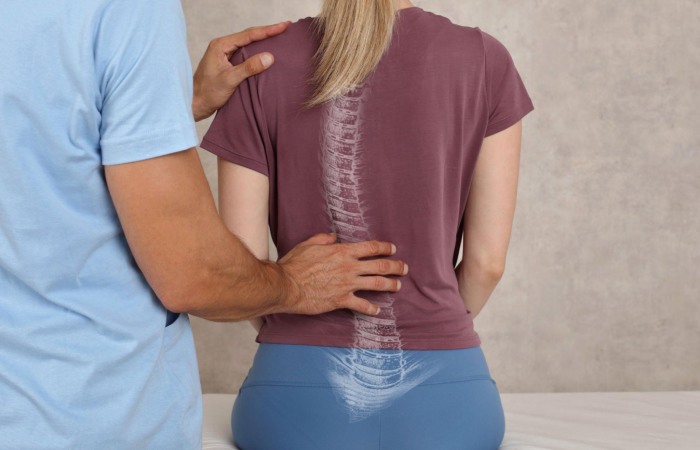
Chiropractic is a system of alternative medicine that attentions on manual spine adjustment. Its goal is to help improve balance and alignment, reduce stress on nerves, and restore proper functioning to the body’s systems. When your spine is aligned correctly, it allows full communication between your brain and body. This improved flow of communication helps regulate hormones, chemicals, and other vital substances in your body, creating a healthier environment for your brain.

In addition to realigning the spine, chiropractic practitioners often use soft tissue massage or joint manipulation to reduce muscle tension and enhance mobility. All these techniques work together to ensure that your nervous system functions properly, and this improved functioning, in turn, boosts your overall brain function. For example, chiropractic can improve cognitive function by improving focus and concentration and alleviating headaches and fatigue that can impair memory recall or information processing abilities.

How Does Chiropractic Stimulate the Brain?

How Does Chiropractic Stimulate the Brain_

Do you want an edge in life? Have you ever wanted to boost your brain power and unlock your full potential? Well, chiropractic care could be the solution.

Chiropractic is a form of natural healing that focuses on treating issues within the spine and nervous system, especially as it relates to brain functioning. Chiropractors are trained professionals that can adjust the spine, allowing for increased communication with the brain. Better communication between the spine and brain means improved performance of your cognitive functions.

The benefits can be felt almost immediately. Research shows that people who receive regular chiropractic care experience improved alertness, clarity, and focus in their daily lives. It can lead to faster problem-solving skills, sharper memory recall, and enhanced overall mental processing.

Put: regular chiropractic treatment is like taking a vitamin for your brain! So what are you waiting for? Start working smarter, not more complicated, and supercharge your mental performance with a simple chiropractic adjustment!

Benefits of Chiropractic Treatment

Chiropractic care doesn’t just make you feel good; it can also help to boost brain power. How is this possible? Well, let’s review a few of chiropractic treatment’s key benefits.

Increased Blood Flow and Oxygenation

By realigning the spine, pressure, and tension is taken off the nerves and muscles, allowing for increased blood flow and oxygenation to reach our brains. This improved circulation helps to reduce stress hormones like cortisol, resulting in a calmer state of mind which helps us think more clearly and creatively.

Improved Focus

Chiropractic care can help improve focus, leading to enhanced cognitive performance and improved productivity. The tension in the neck and shoulders can cause fatigue, making it difficult for us to concentrate on the tasks at hand. However, with regular chiropractic visits, this tension can be released, allowing us to regain energy and focus.

Reduced Stress

Stress hurts our cognitive performance by disrupting our ability to learn and remember information. Chiropractic care helps to reduce stress by getting rid of tension in the body which lowers cortisol levels in the bloodstream, thus allowing us to stay calm, alert, and focused while tackling tasks that require mental effort.

Improving Memory and Thinking Clarity Through Chiropractic Care

Do you want to achieve peak mental performance? You might be amazed to learn that you can boost your brain by seeing a chiropractor. Thats right: chiropractic care can improve your memory and thinking clarity.

Enhancing Brain Performance

Chiropractic adjustments help enhance brain performance by restoring spinal balance throughout the body. It helps improve the flow of nerve signals from the brain to all body areas, resulting in improved mental performance. When these signals are clear, your brain can think more clearly and accurately by sending stronger signals, resulting in improved memory, focus, and information retention.

Increasing Blood Flow

Increasing Blood Flow

One way that chiropractic care increases your mental capabilities is by increasing the circulation of blood flow to the brain. It helps oxygenate your cells and boosts cognitive function, letting you to think more clearly and quickly. By opening up pathways in the spine, which runs parallel to the neck and head, a chiropractor can improve blood flow to the brain and allow it to perform at its best.

Chiropractic care can help you better access your mental capabilities. Here are some of the ways that it accomplishes this:

  1. Relieving stress on nerves, improving nerve transmission from the brain throughout all areas of the body
  2. Improving posture with adjustments and exercises
  3. Releasing endorphins which reduce pain and increase focus
  4. Reducing inflammation which improves neurological functioning

The Effect of Regular Adjustments on Mental Health

Did you know that regular chiropractic adjustments can help to boost brain power? It’s valid through a few simple techniques; chiropractors can ease pain, improve spinal alignment and help the body to recover from physical traumas.

Improving Cognitive Function

Chiropractic adjustments help to stimulate the brain and nervous system by reactivating the blood flow in the neck and spine. For example, gently manipulating the upper cervical spine is thought to increase cerebrospinal fluid (CSF) flow, which helps to relieve pressure on the brain and restore cognitive function. Regular chiropractic adjustments can improve mental health by improving focus, memory retention, stress levels, and better sleep patterns.

Improving Physical Health

Chiropractors are trained in the manipulation of the musculoskeletal system. When you have regular adjustments, it helps reduce inflammation in the muscles of your neck and back which have been caused by activities such as sitting for long hours at a desk or constantly looking down at your phone or another device. Improving your physical health overall will also help improve your mental health and functioning.

Benefits of Regular Adjustments:

  • Reduced stress levels
  • Improved posture
  • Relief from chronic headaches
  • Improved blood circulation
  • Reduced inflammation in muscles and joints
  • Improved mental clarity

Regular chiropractic care is a great way to keep your spine healthy and maintain optimal brain power.

Taking the Right Steps Towards Better Brain Health With Chiropractic Care

One of the most critical yet lesser-known benefits of chiropractic care is that it can give you better brain power. How? Well, there are several steps you can take to boost your brain power with chiropractic!

Improved Spinal Alignment

The first step is improved spinal alignment. When the vertebrae in your spine are out of alignment, it’s like throwing a monkey wrench into your nervous system. That’s because the nerves in your spine control many aspects of your life, from digestion to sleep and how well you think and concentrate. Adjusting the spine helps to realign these nerves so that they can work at maximum efficiency.

Improved Blood Flow

Once the spinal alignment has been improved, it’s time to focus on optimizing your blood flow. Blood carries vital nutrients and oxygen throughout the body, so having peace and balance in this area will help enhance the function of your entire body, including your brain! Chiropractors understand how vital blood flow is for brain health and can help ensure this area is well-maintained.

Better Posture

Lastly, improved posture is critical when trying to boost your brain power. Good posture helps keep airways open, allowing more oxygen to reach the lungs, travel through the bloodstream, and nourish all body parts, including both physical and mental. With regular chiropractic care, you will learn about proper posture that works best for you to keep everything in balance!

Conclusion

In conclusion, scientific evidence suggests that chiropractic can potentially be a powerful tool to improve various aspects of brain function. It appears to be a safe and effective way to reduce stress while optimizing the brains performance. Its important to remember, however, that individual results may vary. Your best bet is to find a qualified chiropractor who can tailor a treatment plan best suited to your specific needs and goals. Also, keep your doctor informed about any treatments you’ve receive to ensure your safety.

5 Reasons Why Every Man Should Have a Hair Trimmer

0

Reasons Why Every Man Should Have a Hair Trimmer

A hair trimmer is a necessity for every man, still not many have it. Every man should invest in it and always keep it with him even when traveling. This is going to cost more than a few visits to a barber, but it’s definitely worth the investment.

There are so many benefits to it that you won’t ever go back to life where you didn’t use a trimmer. You should get yourself one of the Andis hair clippers that cover all your grooming needs and last a lifetime. This article has discussed why you should make this investment.

Always Look Sharp

Having a trimmer allows you to always look sharp. Your hair grows and gets out of shape every two or three days. Some men see that their style is lost within one day because of the fast growth of their hair. You can’t keep going to the barber every day. Having a trimmer at home will allow you to groom yourself any time you want and as many times as you want. You will always look perfectly groomed and sharp at every event.

You Get to Experiment

With a trimmer at your home, you can try out different hairstyles. You can see what type of bear or mustache looks good on you. You can change the size of the hair and try different fading until you can find something that looks best. This type of experimentation is not possible in a barbershop. You would have to wait a few weeks before you can go there. Besides, no barber would spend so much to help you find the perfect look. It requires you to do a little trimming and check how it looks.

It’s Portable

A trimmer is easy to carry and you can take it anywhere you want. If you are going out of the city or to an event for a few days, there is no need to find a new barber there. Simply pack your machine in the bag and groom yourself when you reach the destination. You can do trimming and cleaning when you wake up or before you are about to attend the event. This will make you look like you are just coming out of the barbershop with perfectly lined and groomed hair.

You Save Time

It takes time to go to a barbershop and sit there waiting for your turn. It also takes time to travel there. You have to reserve at least one every week even if you only need some small adjustments. Not only can you groom yourself regularly, but you also get to save all that time of traveling and waiting.

It’s Hygienic

You can’t trust the equipment used by barbers. They use them on everyone and those clips are not properly sterilized or cleaned. Only you will use your own machines and you clean it yourself. Face skin is very sensitive and you can’t afford any acne or other issues there. This will ensure that you don’t have to face any such problem.

Also Read: 7 Bedroom Essentials For A Restful Sleep

What is Gender Dysphoria? Symptoms, Causes, and Treatment

Gender dysphoria is the discomfort that can arise in people whose gender identity change from the sex assigned at birth or physical characteristics associated with sex.

Transgender and gender-diverse people may experience gender dysphoria at some point. However, some transgender and gender-diverse people are comfortable with their bodies, with or without medical intervention.

A diagnosis of gender dysphoria is involved in the Investigative and Statistical Manual of Mental Disorders (DSM-5), a guide issued by the American Psychiatric Team. The diagnosis was formed to help people with gender dysphoria obtain needed medical care and effective treatment. The term focuses on discomfort as a problem rather than an identity.

Symptoms of Gender Dysphoria

Symptoms of Gender Dysphoria

Children and adults can suffer from gender dysphoria. Symptoms vary depending on the person’s age, but most persons want to live in a way that matches their gender character. You may have had these feelings as an adult from a young age.

In Children:

  • He insisted that they were of the opposite sex.
  • They desperately want to be the opposite sex.
  • They want to wear clothing usually worn by another gender and resist wearing dress associated with their biological sex.
  • They prefer to play traditional opposite-sex roles in play or fantasy.
  • They prefer games and activities that are traditionally considered opposite gender.
  • I prefer playing with children of the opposite sex.
  • He has a strong aversion to his genitals.
  • He wants to have the physical characteristics of the opposite sex

In Adults:

  • An intense desire to be the opposite gender (or a different gender than the gender they were assigned at birth)
  • He wants to have the physical and sexual characteristics of the opposite sex
  • They want to get rid of their genitals
  • He wants to be treated like the opposite gender
  • wants to be addressed as the opposite sex (pronouns)
  • Feeling and responding strongly in ways associated with the opposite sex.

The emotional distress of gender dysphoria can affect school, work, social life, religious practice, or other areas of life. People with gender dysphoria can become anxious, depressed, and sometimes suicidal.

Causes of Gender Dysphoria

The correct causes of gender dysphoria are not fully understood, but several factors may play a role. Genetic factors, hormonal stimuli during prenatal growth, and environmental factors may be complex.

For example, prenatal exposure to some chemicals has associated with disruptions in the average growth of prenatal sex determination. Research also indicates a genetic link, as there is a higher co-prevalence among identical twins than among identical twins.

The onset of gender dysphoria is often during early childhood. While the exact mechanisms are unclear, we do know that when babies are born, they are assign a gender based on their anatomy. The sex of a child at birth often determines how they grow and how others interact with them. As they get older, they may feel a mismatch between their gender identity and the gender they are assign. In rare cases, this mismatch can lead to feelings of gender dysphoria.

Treatment For Gender Dysphoria

The main aim of treatment is to help them overcome any distress they may be experiencing. They can select the level of treatment that enables you to feel most relaxed. It may contain helping you transition to the gender of your choice.

Treatment for gender dysphoria is individual and may contain the following:

  • Counseling to help you understand your feelings and provide support and coping skills
  • Couples or family counseling to help reduce conflict, build understanding, and provide a supportive environment
  • Hormone therapy for gender confirmation (formerly known as hormone replacement therapy)
  • Gender confirmation surgery (formerly known as sex reassignment surgery)

Not all transgender persons need all forms of treatment. They may choose one or more of the above treatments.

Before deciding on surgery, you will likely receive gender-affirming hormone therapy and have lived in your chosen gender for at least one year. There are two main types of surgery: one affecting fertility and one that does not affect fertility. Not everyone decides to have surgery or can only choose one class.

Four Options To Be At Your Best Every Festive Season

0

Traditional jewellery is the go-to option for any festive season. You need to wait for a special time when you can adorn your jewellery. The rustic necklace, or the dramatic bangles and chunky earrings add pizzazz to your look. Festive season calls for a trip down memory lane. This means you not only unbox the jewellery but also the sentiments attached to every piece of jewellery. The glittering touches of royalty make the festival what it is, a night to remember.

The unparalleled charm of warm hearts and bright lights brings friends and family closer no matter the physical distance. Every festival is a time for joy and laughter. That is why we commit ourselves to ensuring each festival is special and memorable for everyone around us. Let us take a look at some festive styles that will make you stand out and make you glow.

  1. Silver – Whether it is different motifs or it is a desi pair of earrings, silver can add a touch of indigenous magic to your outfit. The traditional jhumkas, the trendy ear cuffs, the dynamic finger sleeves, and the glamourous cocktail ring, silver can do it all, and do it with grace. The charm of a silver cuff can add to make you look drop-dead gorgeous irrespective of your choice of clothing.
  2. Gold – Gold is the safest and the obvious choice when it comes to the festive season. The traditional rings, chains, and earrings look stunning when paired with a saree. The designs available in the market have changed drastically and quirky designs are now available in your favourite precious metal. You can now get the best of both worlds by combining the shimmer of gold with trendy designs. If you are looking for gold jewellery to brighten your season, you can get here the most amazing designs and a long range of options.
  3. Diamonds – Traditional bangles generally have a glint of diamonds and the imperial shine of gold. A solitaire or a stud can be worn every day. However, the special days call for something above and beyond the daily looks. The ethereal shine of a diamond can make your boring outfit a little more royal. Diamonds add a splash to the celebratory spirit of the event. A necklace, pendant, bangles, rings, nose pins, and earrings studded with diamonds can accentuate your best features and make your inner beauty shine brighter.
  4. Gemstones – Keeping up with the current times, gemstones are the popular go-to jewellery moderators that can heighten or lessen the grandeur of jewellery depending on their usage. A well-cut ruby or emerald can be a magnificent pendant or a ring. The old-school charm of gemstones is something we have been seeing for centuries. Whether you are looking for flamboyancy or simplicity, whether you want something special for the festivities or something for every day, check this website to go through creations that are sure to blow your mind.

Being part of a celebration is a privilege and being your best self is not a bad idea. Because nothing amplifies the feeling of belongingness, family, and love, like being happy and making others happy too. No matter which festival you celebrate, the joy and happiness that you can spread is a blessing and look your best while you do it!

Factors Every Medical Professional Should Consider When Selecting Scrubs

0

Choosing appropriate medical or hospital scrubs is significant for each medical practitioner. Scrubs include the clothes worn by patients, nurses, and doctors; thus, they are not just regular clothes. Again, medical scrubs should be functional, simple, and comfortable to allow the smooth running of daily activities.

Besides, for anyone to be successful in their career duties, they should have maximum comfort from the clothes they wear to the environment they are in. continue scrolling to discover the essential factors every nurse should consider when selecting their scrubs.

Mobility and Comfort

Imagine putting on a very loose or excessively tight outfit. How does it feel? You will definitely want the day to end as soon as possible to go home and change. Therefore, it is crucial to consider the fit and movement influence your scrub has when wearing it. Sometimes, you might have to remain in the scrubs for an entire day or night shift, coupling them along with PPE on top. This coverage can make the experience more tiresome as the day goes on. It is best to select scrubs with a lighter weight, stretchable fabric, and relaxed fit for more comfort.

Functionality

Primarily, a scrub allows medical practitioners to keep everything handy with them each time without becoming clutter. Therefore, the functionality in a scrub’s overall performance is of great significance. Also, remember that a practical scrub can break or make it. Thus, this can allow you to end your day in style or irritate you from every move you make while in the scrub.

Usually, the functionality of medical scrubs is influenced by necklines or collars and pockets. While it remains trendy, selecting a V-neck-shaped scrub is best as they provide more breathability since they do not restrict the neck. On the other hand, a scrub should have as many pockets as possible, including patch and chest pockets. Patch pockets facilitate nurses to carry small medical equipment around the clinic or hospital.

Fabric and Material

Usually, your scrub’s fabric will affect your attire’s maintenance, durability, and comfort. Take a material that is easy to maintain. For instance, the scrub should be easy to wash and iron. Also, you do not want to keep returning to the market to buy new outfits each time. Thus, your proposed scrub fabric should be durable to last you longer. If you want the best scrubs made from the best materials, check these out.

Price

This is one of the factors that you should pay attention to when choosing your scrub. Usually, the quality of the scrubs fabric will determine its price; the better the quality, the higher the price. If your medical work involves high spillage or high contamination environment, your scrub will have a higher chance of damage. You can evaluate the amount of money you will spend on your medical attire by evaluating your job role and working environment. Also, consider the frequency of replacement and the expected lifespan of the scrubs.

In conclusion, you must consider various factors to select the ideal scrub for your role. However, it would be best if you always chose high-quality scrubs as this will also help you save.

Dermatology: Four Skin Problems

The skin is our largest organ. It represents 10% of our entire body, equivalent to an area of ​​two square meters on average. If it can be a cause of significant concern, Dermatological diseases are numerous and often challenging to diagnose. They can be divided into three broad groups: inflammatory skin diseases, such as urticaria, eczema, psoriasis – chronic conditions that patients learn to treat and seek care mainly in the acute phase -, malignant diseases (cancer), and also infectious diseases. They manifest themselves in different ways on the skin. Following are four skin problems:

Rash or Rash

These are generalized lesions that appear quickly all over the body, with or without itching. The origin is not a priority. It can be a severe reaction to a drug (this is called drug eruption) or a viral infection reaction – such as measles or rubella – or to a sexually transmitted disease, such as syphilis.

Suspicious Mole

The patient has discovered a mole (nevus), which worries him and makes him fear skin cancer. In this case, the ABCD rule can allow him to assess the dangerousness or not of the nevus by checking four points corresponding to these letters.

A: the nevus is Asymmetric.

B: its Border is irregular.

C: its Color is not uniform.

D: its Diameter exceeds 5 millimeters.

If three of these criteria meet, it forms dysplastic nevus. It can progress to melanoma, the most dangerous skin cancer. The ABCD method is only valid for melanocytes, moles that produce melanin (the color brown or black). If in doubt, see a dermatologist reasonably quickly.

Psoriasis

Thirdly, the most common plaque psoriasis sets in gradually. These are red patches called erythematous-scaly patches, made up of large scales arranged on very well-defined patches. Therefore, they are most generally on the elbows, knees, and scalp. In rare cases, psoriasis can spread to the whole skin; this is familiar as erythroderma. It is a reason for urgent consultation.

Eczema

Finally, there are several types of eczema. Allergic eczema appears in contact with an allergen, such as nickel. The reaction begins at the place of contact and then spreads. Eczema can also result from exposure to irritants, such as disinfectant from the doctor or household products.

Also read: giva ranchi circ

Benefits of Trail Running: That Boost Your Physical & Mental Health

0

Trail running is a demanding activity. When trail running, you often have to deal with a wide range of elements from nature. For instance, you must contend with uneven trails, flooding, roots, rocks, and other weather elements. Therefore, a strong focus is essential to keep you safe and on track.

Like any other running exercise, trail running is highly beneficial for your physical and mental health. The benefits of trail running can be split into two categories. There are physical benefits and mental health benefits.

Physical health benefits

Below are the physical benefits of trail running;

• Trail running helps build your core

One of the physical health benefits of trail running is that it helps build your core. This is thanks to the uneven footing, rapid directional changes, and high levels of focus associated with trail running. It is highly recommended that you stay upright while navigating the various trail-running terrains. This helps you maintain full-body tension, which helps keep your core firing. Therefore, trail running is an excellent alternative to exercises like planks and crunches.

• It helps improve your balance and endurance

Trail running mainly involves running on unpredictable and uneven surfaces. This helps work your core, strengthen your legs, and improve your balance and stability. It is also worth mentioning that balance usually requires you to activate the small stabilizer muscles in your foot. The activation occurs each time your foot hits the ground. This action helps strengthen your feet as well.

Also, trail running helps boost your endurance. This is because of the high levels of strength and balance required in trail running. You can boost your endurance with trail running by slowly increasing your trails instead of going all out at once.

• Trail running helps minimize the risks of injury

One of the biggest concerns about trail running is the likelihood of injuries. This is a genuine concern, as trail running is done on uneven grounds and exposed to various natural elements. However, studies indicate that the contrary is true. They have shown that rad runners are at a higher risk of getting injuries than trail runners. This is because running on trails exerts less stress on the lower leg as compared to road running.

Additionally, trail running helps improve your core and knee control, which helps reduce the chances of ACL injuries. It is also worth mentioning that the constantly changing terrains and directions help to avoid overloading one area of the body or the legs. This, in turn, protects vulnerable areas or parts of the body from overuse.

• It helps improve your heart health and build powerful legs

Trail running requires extra work than conventional or road running. This is because of the constantly changing nature of the trails and the surfaces. This means that your heart has to work harder, and the result is strengthened cardiovascular muscles.

Trail running can also help you build powerful legs. This is because the running action helps work your slow-twitch muscle fibres as the explosive movements work the fast-twitch muscle fibres. Trail running also forces your quads and glutted to work, hence building powerful legs.

• It helps strengthen your joints and burn calories

Trail running also helps strengthen and stabilize your joints as you have to navigate unpredictable trails. Over time, your joints can navigate the trails with more secure movements and stability. Additionally, like other running exercises, trail running helps you burn some calories. The number of calories burned will vary from one person to the next.

Mental health benefits of trail running

Trail running is also highly beneficial to your mental health. Below are a few mental health benefits of trail running:

• It helps increase your focus

Trail running requires a lot of focus because you get to encounter unpredictable elements of nature. This benefit can trickle down to other areas in your life.

• It helps boost your intelligence

The high demands of trail running also help boost your intelligence. Research has proven that complex activities like trail running have high cognitive demands. These demands increase your perception, memory capacity, and spatial awareness. In simpler terms, trail running causes your brain to work faster by challenging your mind and body. This can help increase your intelligence levels.

• It helps with managing anxiety and depression

Highly demanding exercises are very beneficial for managing specific mental health challenges, like depression and anxiety. Trail running can help you reduce the symptoms of anxiety and depression because it also requires you to spend time in nature. Professionals refer to this as eco-therapy. Eco-therapy helps provide a wide range of psychological benefits. For instance, it helps the mind unwind by creating a sense of calmness. This is very beneficial for managing anxiety and mood disorders.

Final word

While trail running is highly beneficial, you ought to be careful not to overexert yourself. For instance, if you are a beginner, do not impose long distances on yourself. You may also benefit from getting a good pair of running shoes for men or women.